The international fashion landscape in 2026 is witnessing a compelling phenomenon from Southeast Asia: the rise of the Philippines as a hub of aesthetic innovation. Far from merely following trends from Paris or Milan, creatives in Manila, Cebu, and Davao are aggressively building a strong visual identity through cultural fusion. This phenomenon is not just touching the visual aspect; it has evolved into a serious creative economy strategy and an effective tool of soft diplomacy.
Transforming the Terno and Contemporary Identity
For a long time, Philippine fashion identity was often stuck on the iconic Terno with its butterfly sleeves. However, by 2026, that definition has significantly broadened. Young designers graduating from local fashion schools are bravely deconstructing these conventions. They are blending Terno silhouettes with natural dyeing techniques from the T’boli tribe in Mindanao, or pairing Inabel woven textiles from Ilocos with loose streetwear cuts.
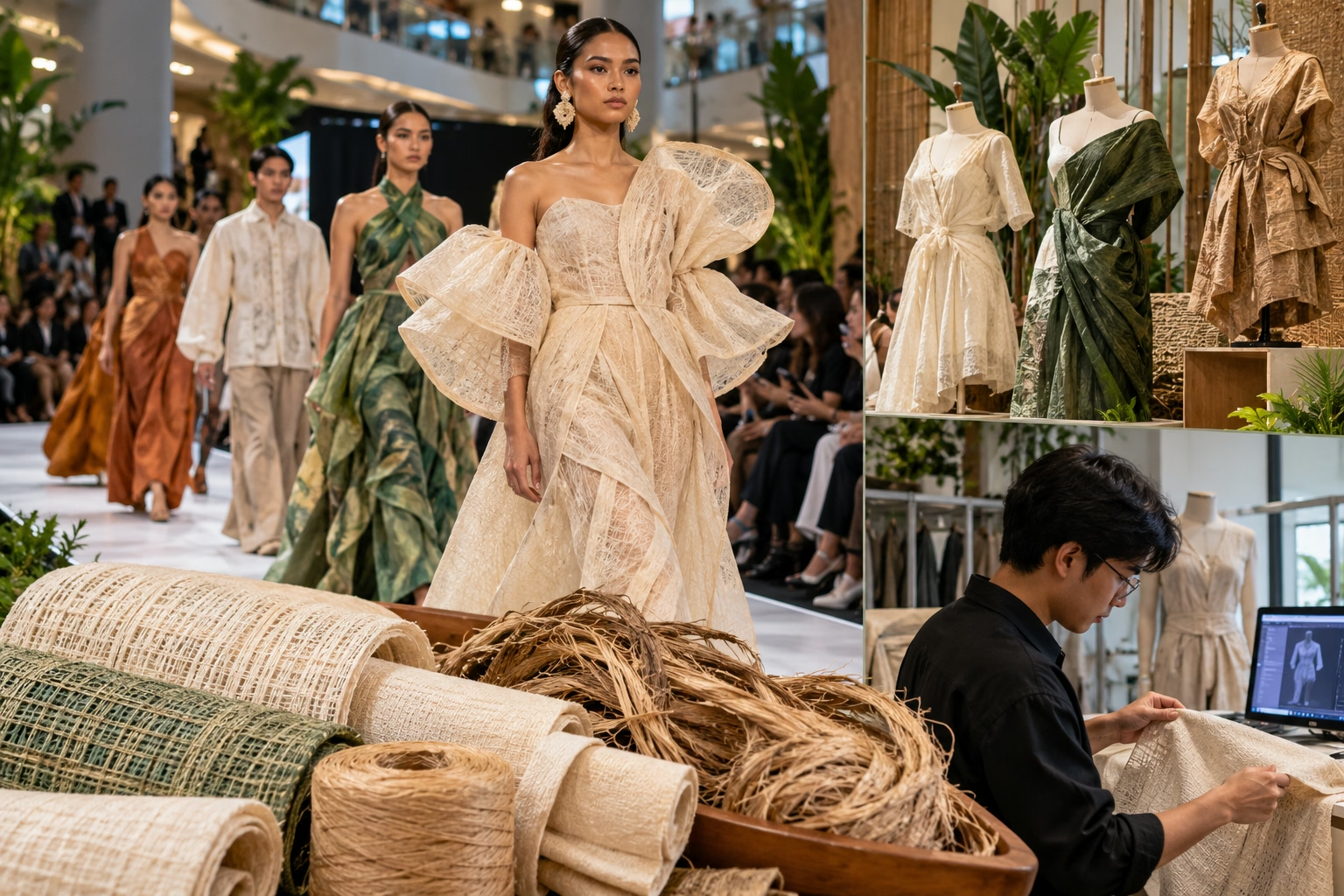
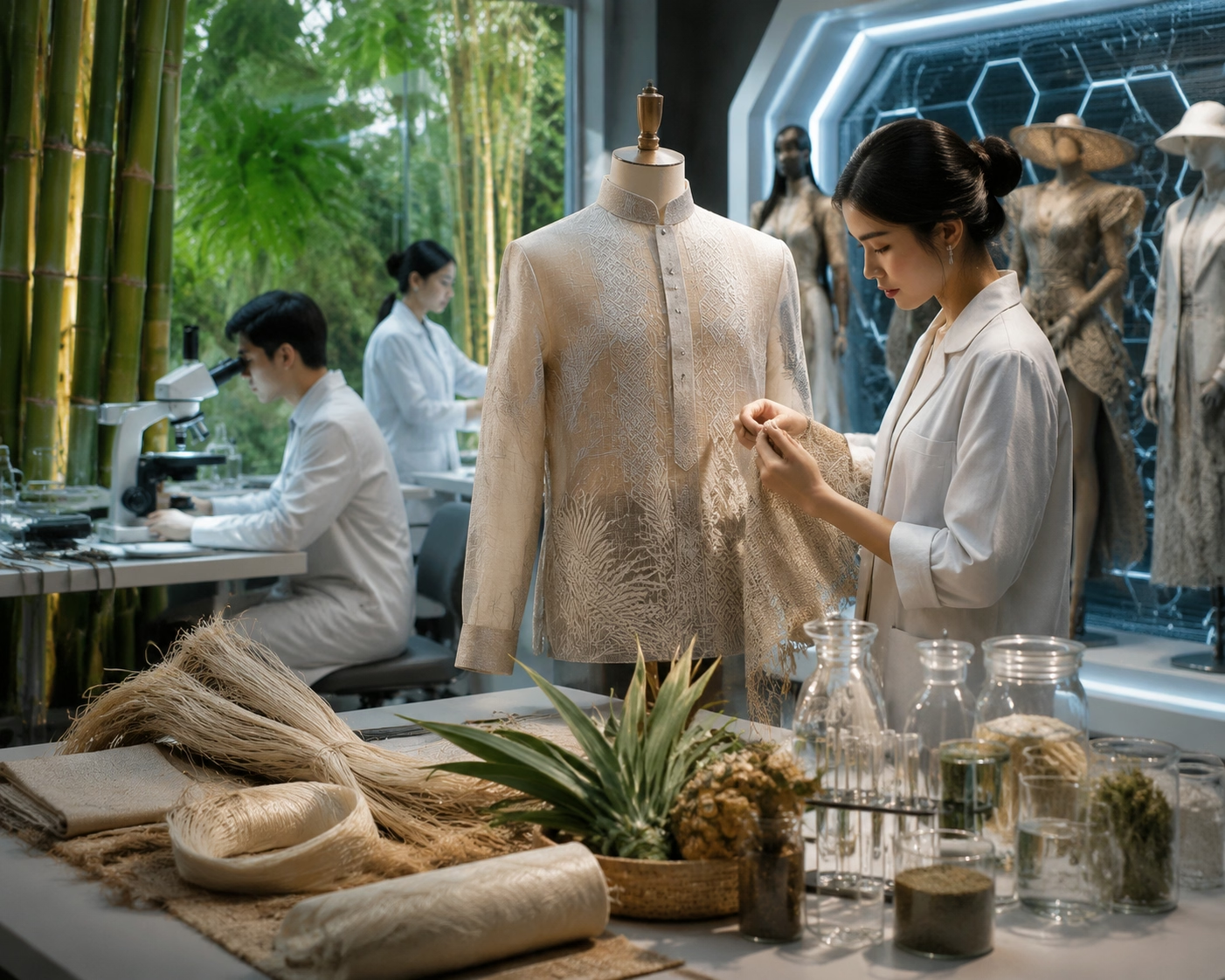
Rere Urubio, an emerging designer whose work was spotlighted at the Manila Fashion Festival 2026, states that the new generation of Filipino designers is no longer trapped in romanticizing the past. They treat traditional fabrics like piña and abaca as materials of a sustainable future. The marriage of organic pineapple fiber texture with 3D laser-cutting technology creates garments that are not only beautiful but also relevant to climate change issues.
From Local to Global Stage
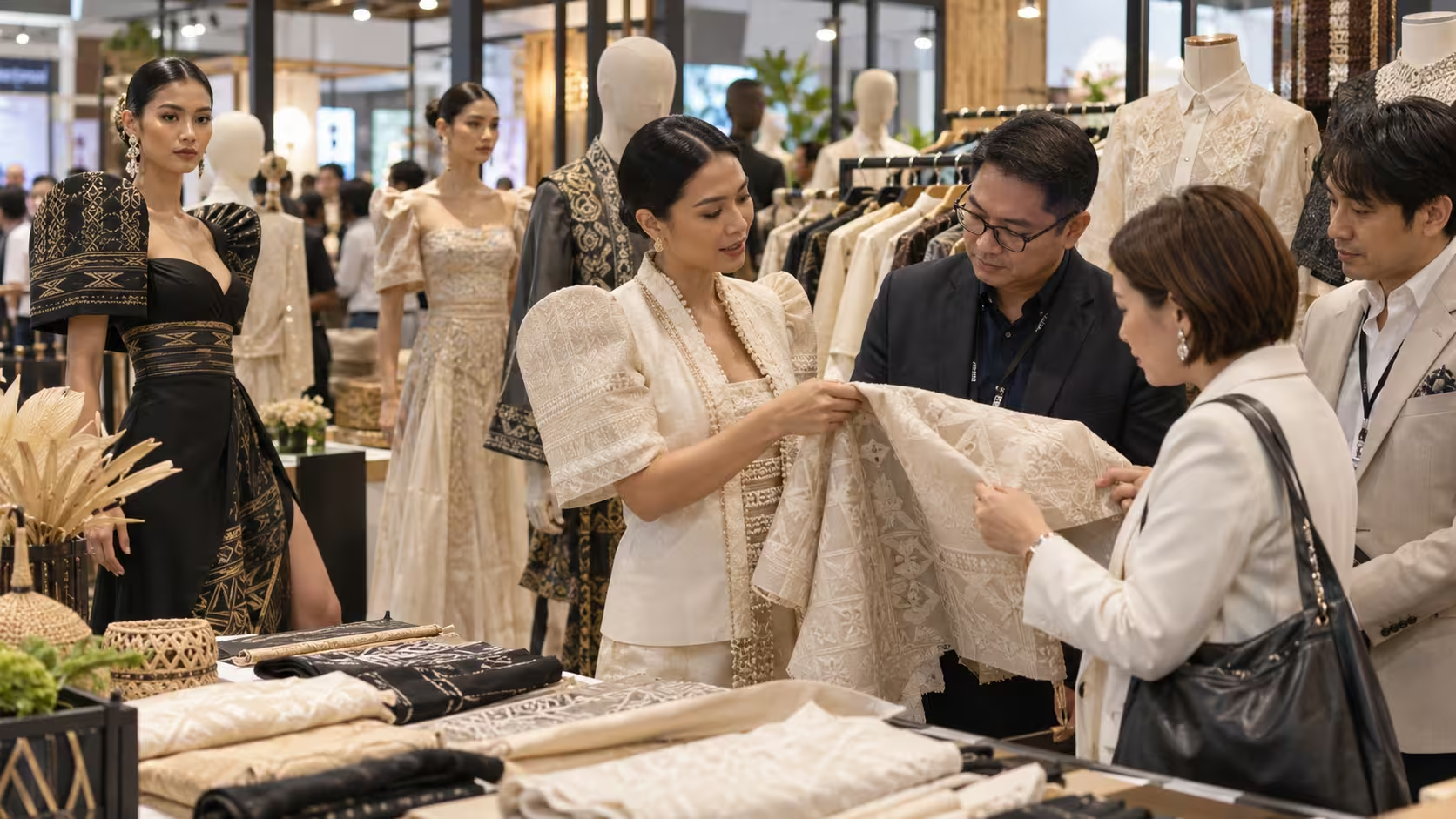
Data from the Philippine Exporters Confederation Inc. (PHILEXPORT) in early 2026 shows a significant increase in export demand for ethnic-modern fashion products from the Philippines, particularly to European and North American markets. Global consumers are now seeking products with a narrative and cultural authenticity—a demand the Philippines is well-equipped to answer with its wealth of over 100 ethnolinguistic groups. According to that industry report, demand for clothing combining Spanish colonial elements with touches of Cordillera highland indigenous customs rose by 34% compared to the previous year.
More than just a commodity, fashion that merges multiple cultural influences—from pre-colonial, colonial, to American and Japanese pop culture—serves as a national ambassador. When a Hollywood actress wears a Philippine silk gown with T’boli embroidery accents on the red carpet, she is not just wearing a dress; she is conveying the message that the Philippines is a complex, adaptive, and rich nation.
Real-World Context: The “Heritage Meets Hypermodern” Collection
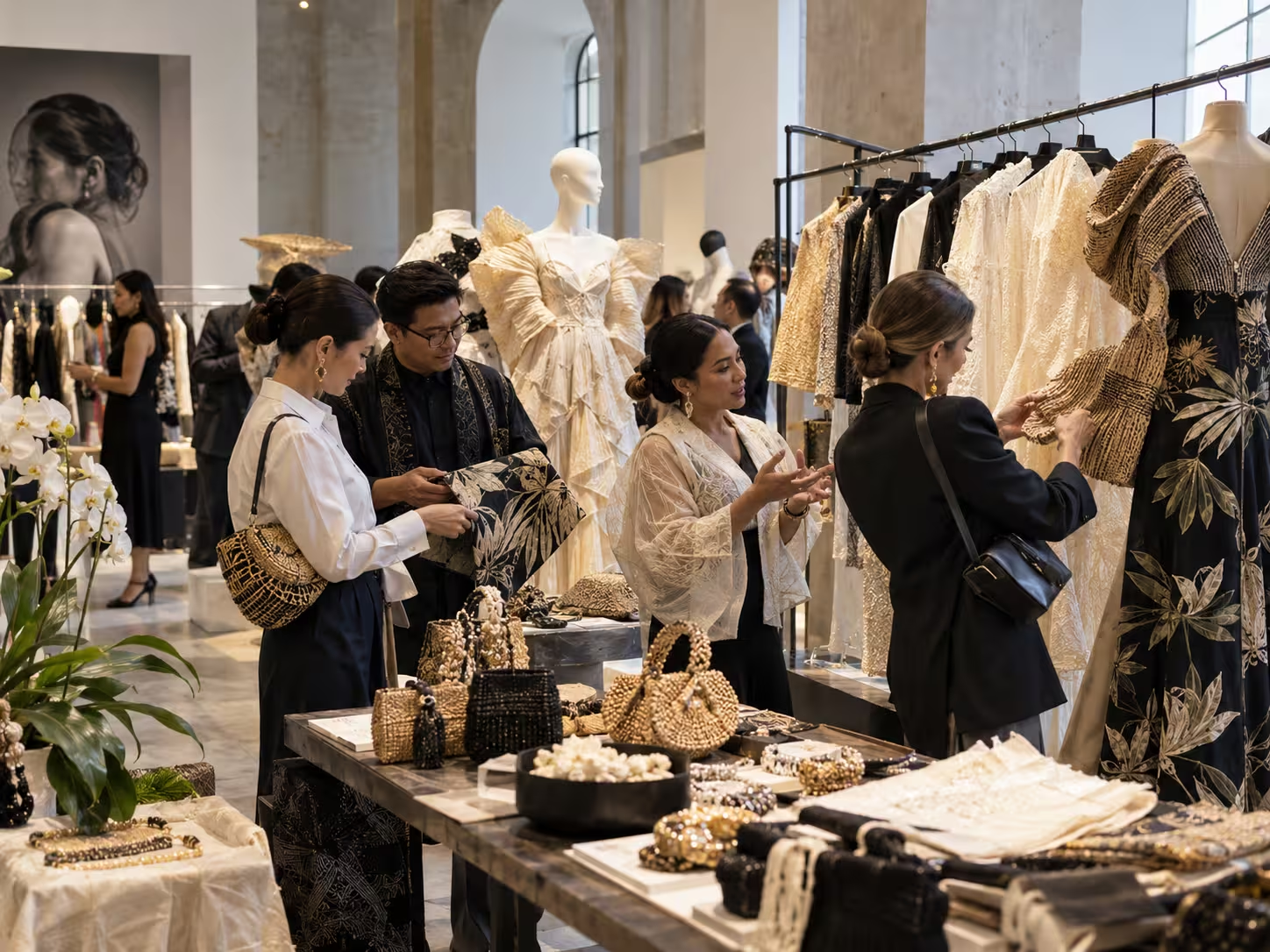
This phenomenon is clearly visible in the latest collections showcased at Artesanias de Filipinas 2026. Several leading designers presented capsule collections that explicitly blend traditional basket weaving aesthetics with wearable technology. In one showcase, a model wore a bomber jacket made from Philippine Ikat weave, stitched with conductive thread to charge a smartphone. This is a tangible realization of “Cultural Fusion in Philippine Fashion 2026,” where local wisdom meets modern digital needs.
Marketing strategies have also shifted. Local labels now use Augmented Reality (AR) in their product packaging. When a buyer scans the barcode label on a garment that combines Maranao motifs with contemporary minimalist design, they are treated to a short video about the making of the original fabric in Lanao del Sur. This creates transparency and emotionally connects the consumer to the original weaver—a selling point that mass-market fast fashion cannot offer.
With strong support from the Department of Tourism and Trade, fashion is now at the forefront of promoting a new image of the Philippines: a country that honors its traditional roots while boldly facing the future.
About the Author