The Barong Tagalog: A Groom’s Statement of Heritage
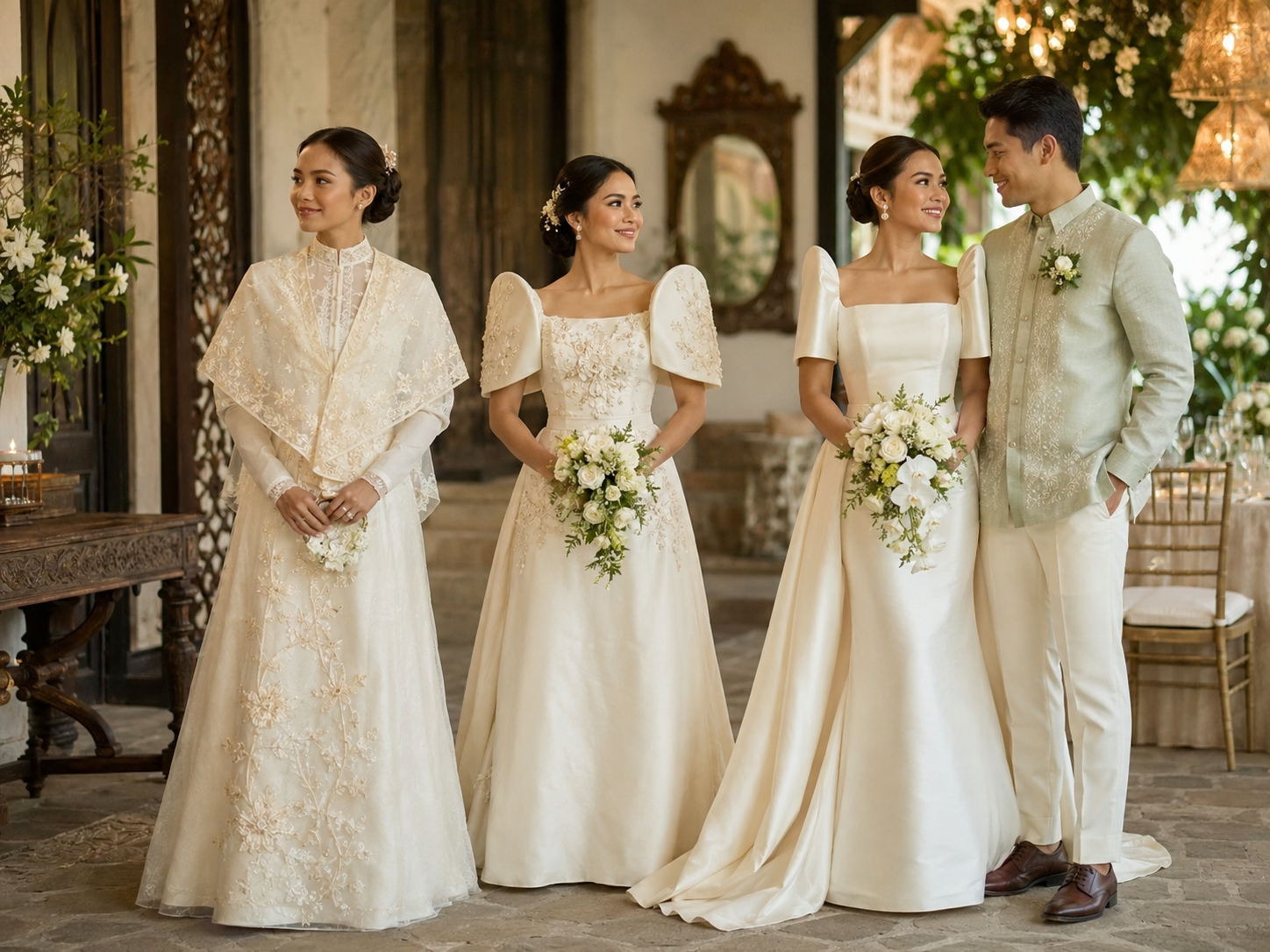
The barong tagalog is a lightweight, embroidered shirt worn untucked over an undershirt. Its most traditional material is piña, a delicate fiber extracted from the leaves of the Red Spanish pineapple. Jusi, silk organza, and cotton blends offer more affordable alternatives. The sheer fabric and loose silhouette are often traced to Spanish colonial policies that required Filipino men to wear thin, untucked shirts so they could not conceal weapons. Today that same transparency is interpreted as sincerity, humility, and openness—qualities many couples want to announce at the altar.
Piña, Jusi, and the Poetry of Transparency
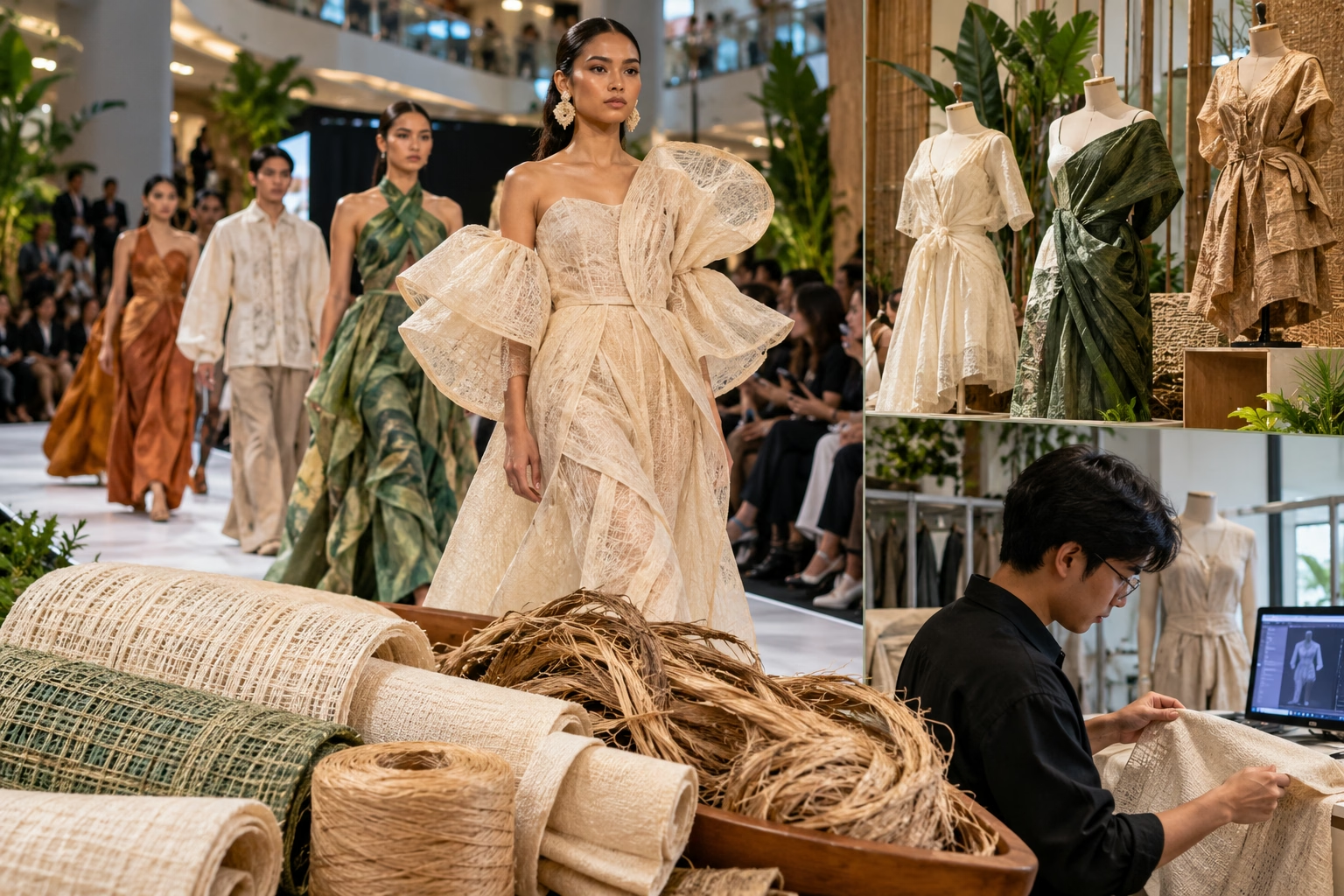
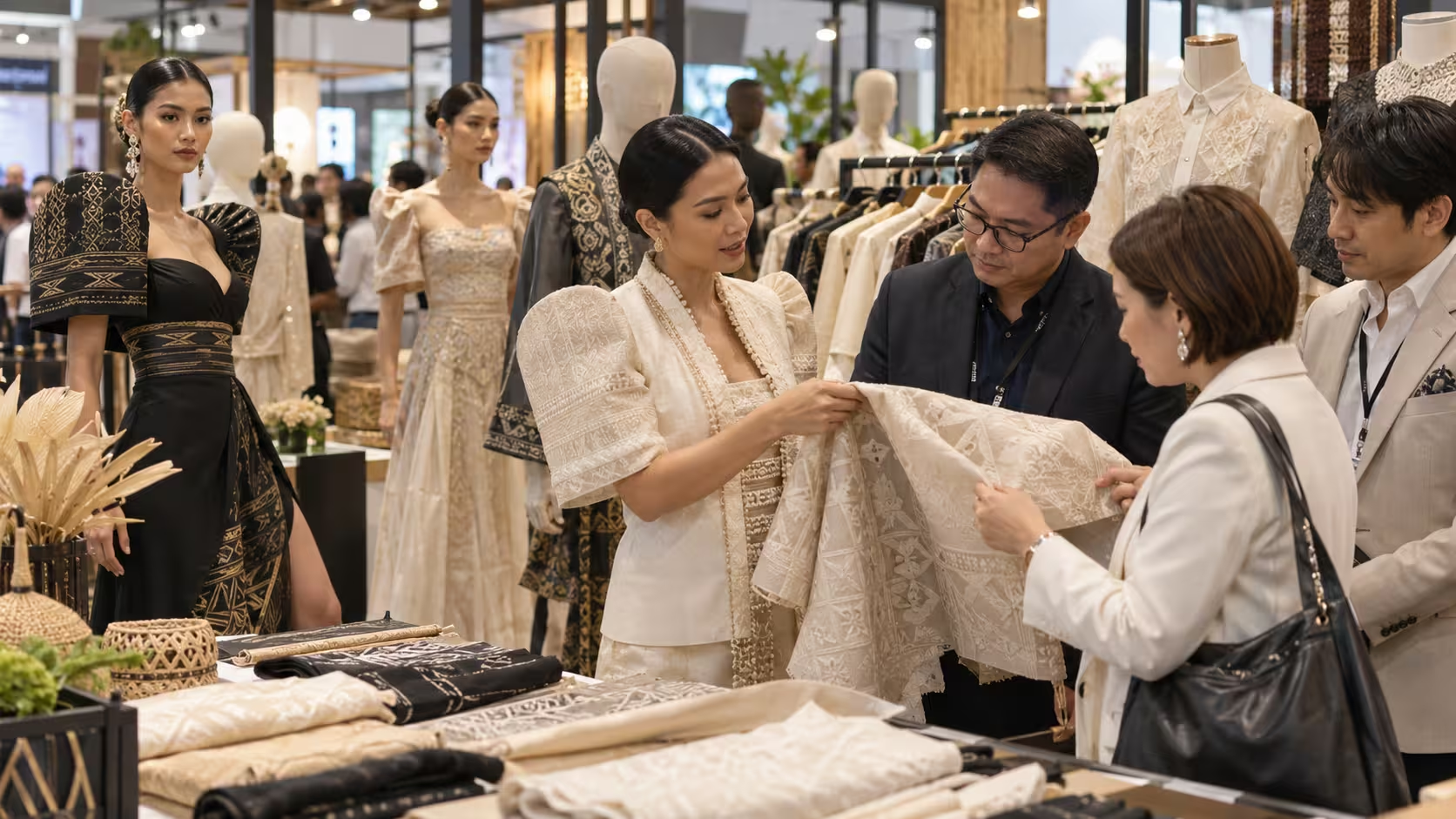
Piña production remains painstakingly slow: leaves are scraped, fibers are hand-knotted, and weaving can take months. Fine calado embroidery then adds openwork patterns. In 2026, heritage ateliers in Aklan and Laguna report growing orders for bespoke barongs with personalized calado designs. According to the Philippine Statistics Authority’s vital statistics portal, marriage remains a major life event for tens of thousands of Filipino couples each year, sustaining demand for these labor-intensive garments. Grooms are also reimagining tradition by choosing black, beige, or even blush barongs for evening and destination ceremonies.
The Filipiniana Gown: Grace in Butterfly Sleeves
The women’s counterpart is often called the terno or Filipiniana. Its most recognizable feature is the pair of stiff, butterfly-shaped sleeves that arch from the shoulders. Traditional versions include the Maria Clara silhouette: a long skirt, high neckline, and a sheer pañuelo or shawl draped over the shoulders. The name comes from José Rizal’s novel character Maria Clara, who came to represent modesty and noble femininity.
Reading the Silhouette: Modesty, Identity, and Power
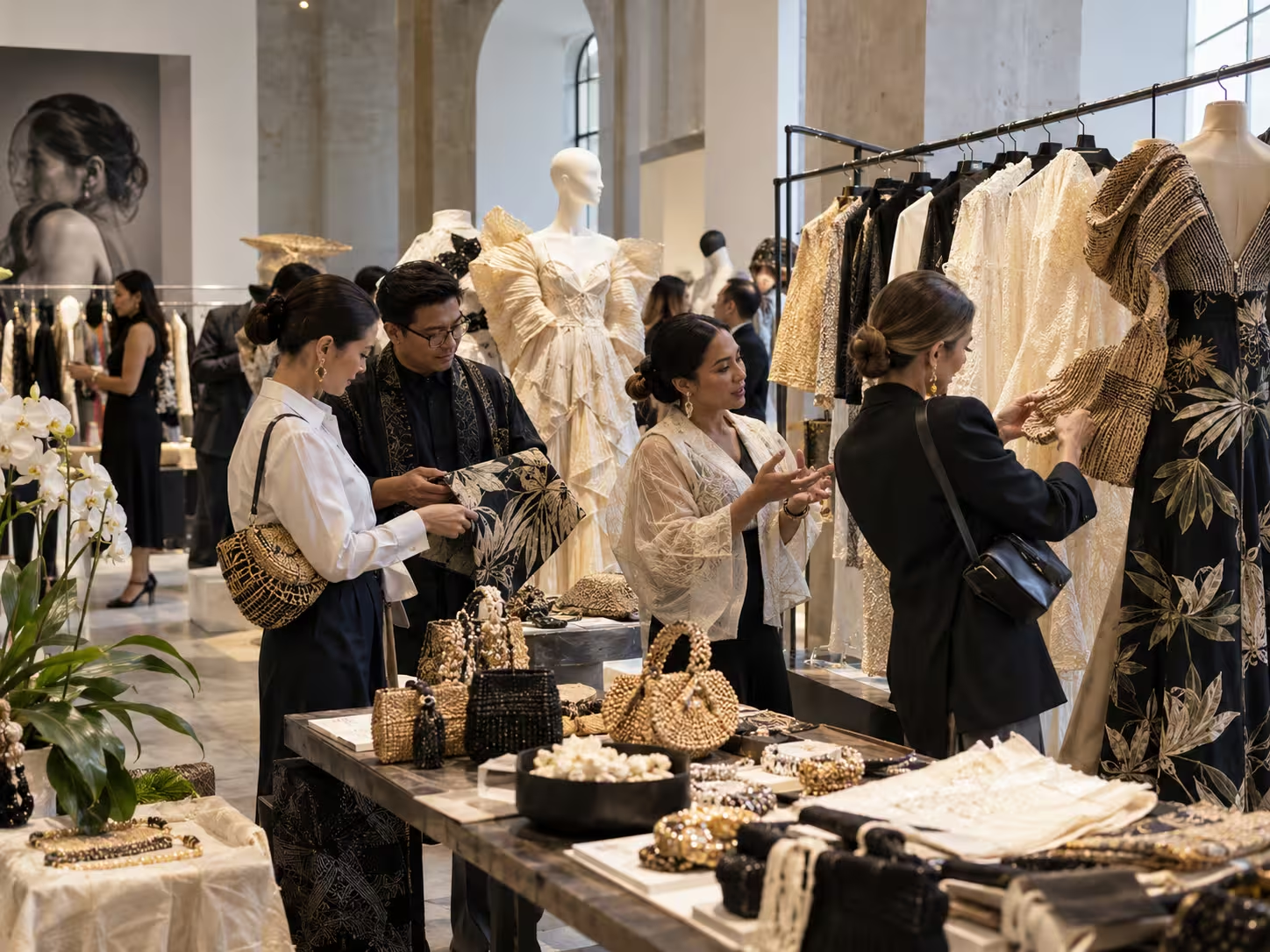
Those butterfly sleeves are not merely decorative. During the 20th century, designers like Ramon Valera elevated the terno into a symbol of national identity, removing the pañuelo and simplifying the silhouette. In 2026, brides can choose between fully structured sleeves, soft cascading versions, or detachable designs. Luxury houses now blend piña with silk, seed pearls, and three-dimensional floral embroidery. Some brides honor their maternal lines by wearing heirloom pañuelos or converting a grandmother’s gown into a modern terno.
2026 Weddings and the Rise of Personalized Heritage
Beyond white and ivory, today’s Filipino wedding attire includes champagne, ecru, soft gold, and even pastel tones. Couples are commissioning embroidery that maps their love story—native plants from their provinces, family monograms, or regional motifs. Gender-fluid styling is also visible: some brides wear tailored barongs, while some grooms add terno-inspired sleeve details. This movement reflects a broader desire to respect heritage without being trapped by it. For couples planning a Filipino wedding, the attire becomes a narrative garment that carries both personal and collective memory.
About the Author