The New Wave of Philippine Fashion Partnerships
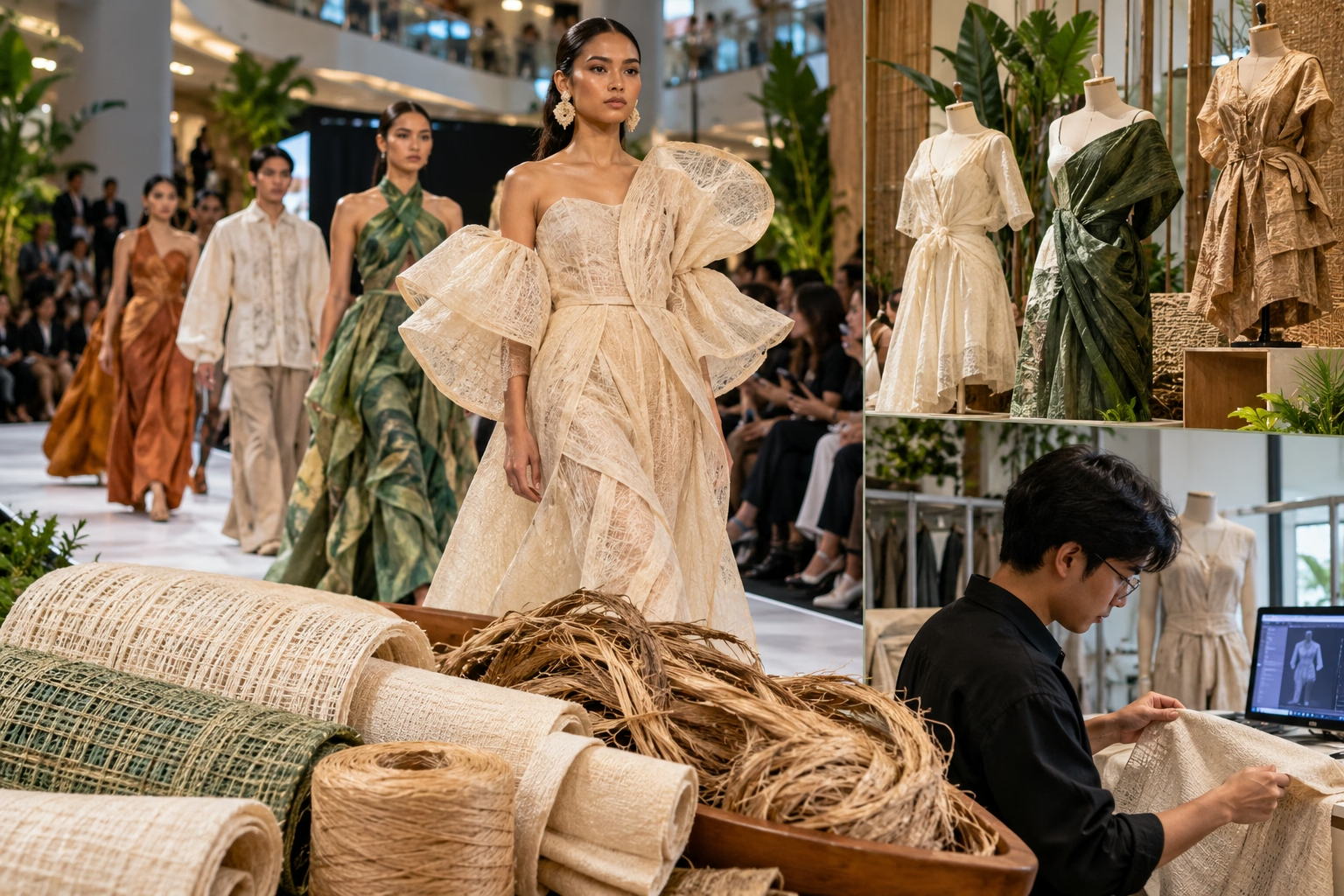
In 2026, the Philippine fashion landscape is undergoing a quiet but powerful transformation. Cross-border partnerships between Filipino designers, indigenous weaving cooperatives, and international fashion houses are turning traditional textiles into contemporary global statements. Fabrics such as piña, abel Iloco, and T’nalak are no longer reserved for cultural ceremonies; they now appear in capsule collections sold in Europe, North America, and Asia. This shift is not purely aesthetic. It is a strategic effort to connect rural artisans with high-value international markets while safeguarding cultural identity.
Heritage Textiles as a Global Design Asset
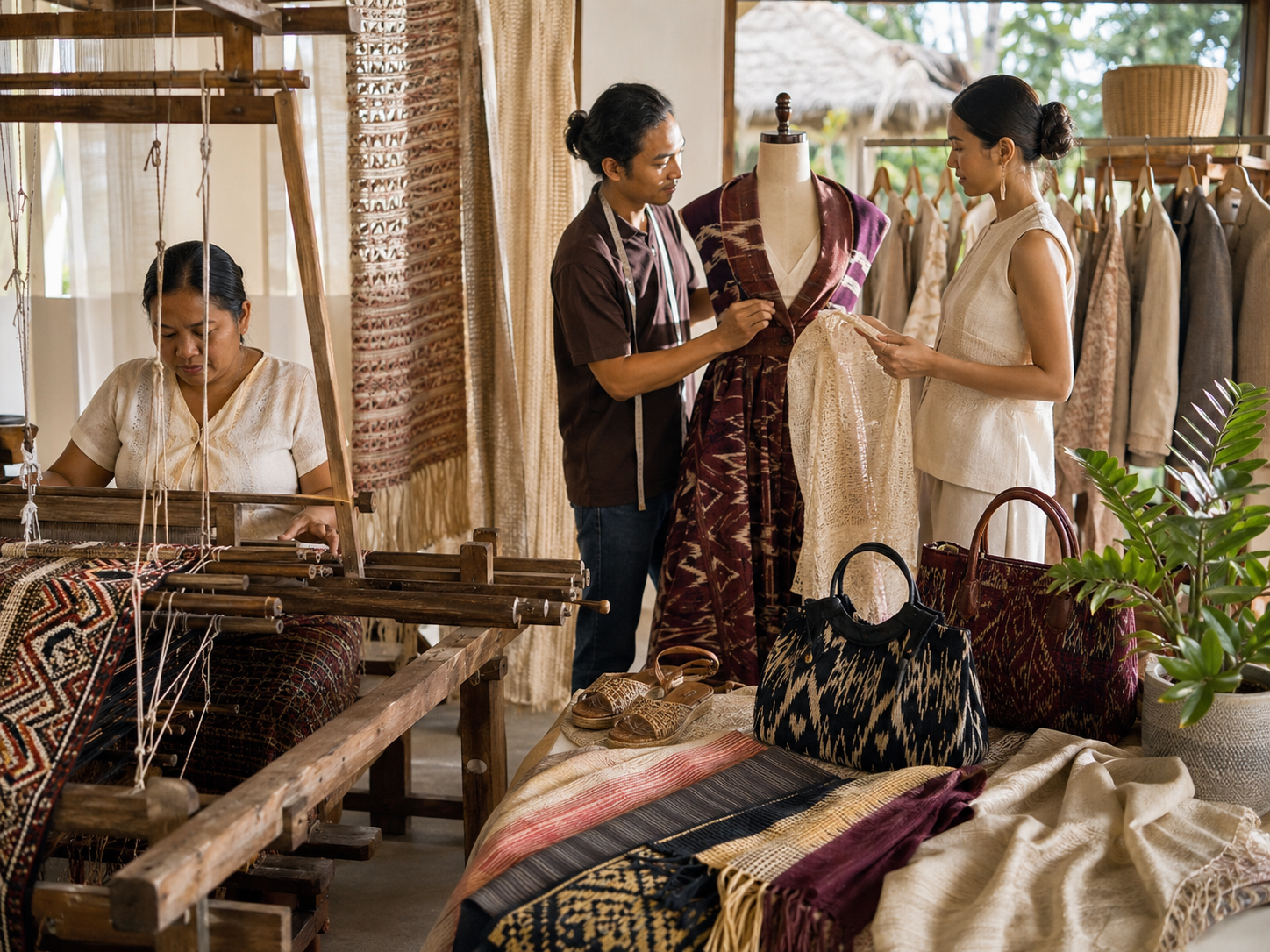
Filipino creatives like Rajo Laurel, Michael Cinco, and Francis Libiran have championed local fabrics on international runways for years. In 2026, their influence has expanded through direct collaborations with global brands. A growing number of international labels are working directly with weaving communities in Ilocos, Aklan, and Lake Sebu. The result is a new generation of clothing—blazers, trench coats, and even streetwear—that uses handwoven materials in modern cuts. This proves that heritage textiles can adapt to fast-changing consumer tastes without losing their soul.
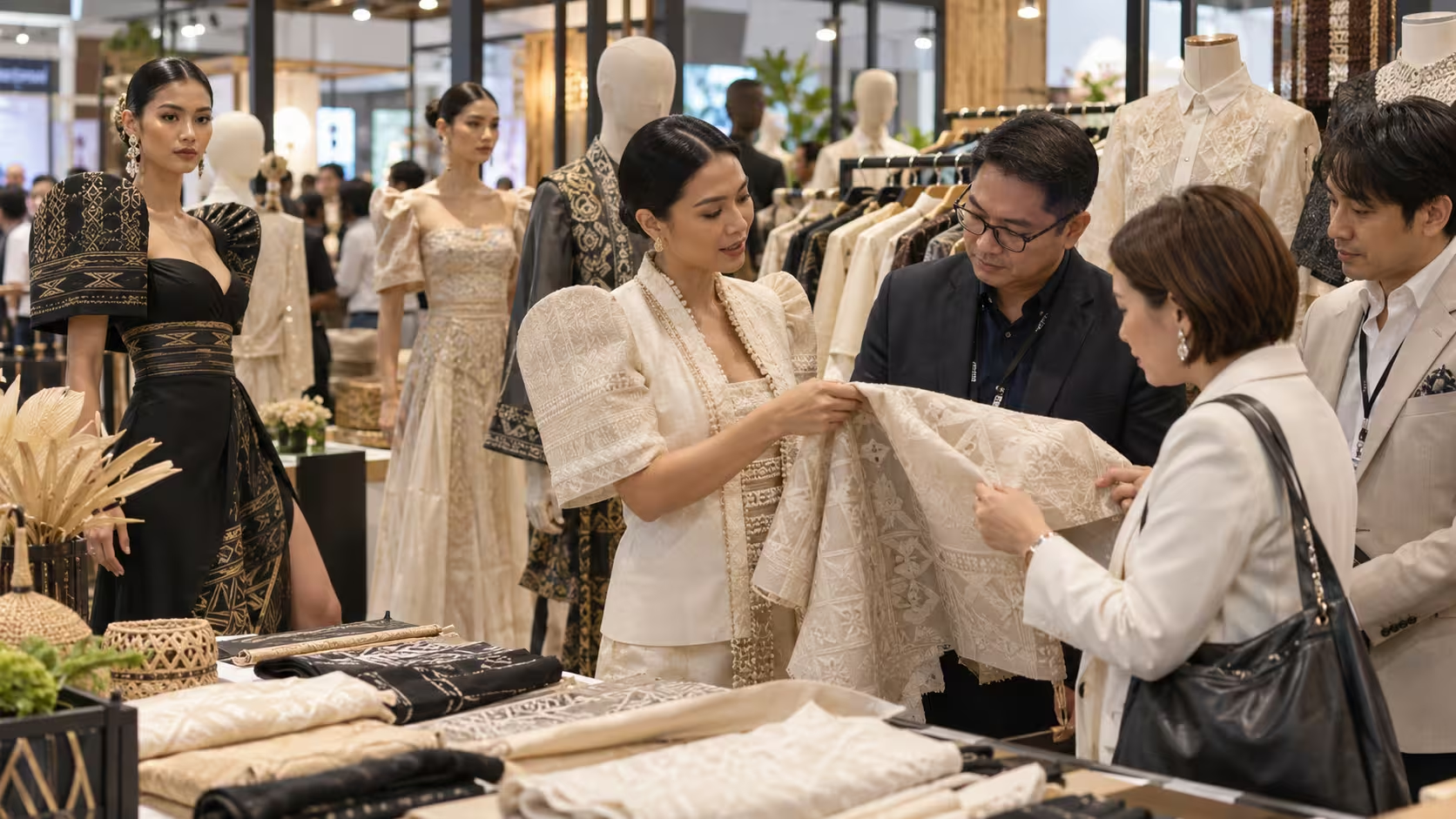
According to the Department of Trade and Industry’s official portal (https://www.dti.gov.ph/), the Go Lokal program continues to connect Philippine micro, small, and medium enterprises with international retail platforms. In early 2026, the DTI noted rising interest from ASEAN and European buyers in locally woven fabrics, fueled by the global demand for traceable and sustainable fashion.
Economic and Social Impact on Weaving Communities
The collaborative model is delivering measurable benefits at the grassroots level. Weaving cooperatives that once relied on local festivals and small tourist markets are now fulfilling international orders. This shift stabilizes household incomes and encourages younger Filipinos to learn traditional crafts. In several regions, earnings from textile production have grown substantially compared with 2023, according to industry observers. The Philippine Textile Research Institute has also intensified training programs to help communities meet export-quality standards while preserving authentic techniques.
Intellectual Property and Cultural Sustainability
As partnerships multiply, the Philippines is strengthening intellectual property protections for indigenous patterns. Community-level trademarks and geographical indications are being explored to prevent cultural appropriation. International partners are increasingly required to sign fair-trade agreements that include royalty-sharing and acknowledgment of specific weaving traditions. This legal framework ensures that global success does not erode the cultural integrity of the communities behind the craft.
The Role of Trade Platforms and Government Support
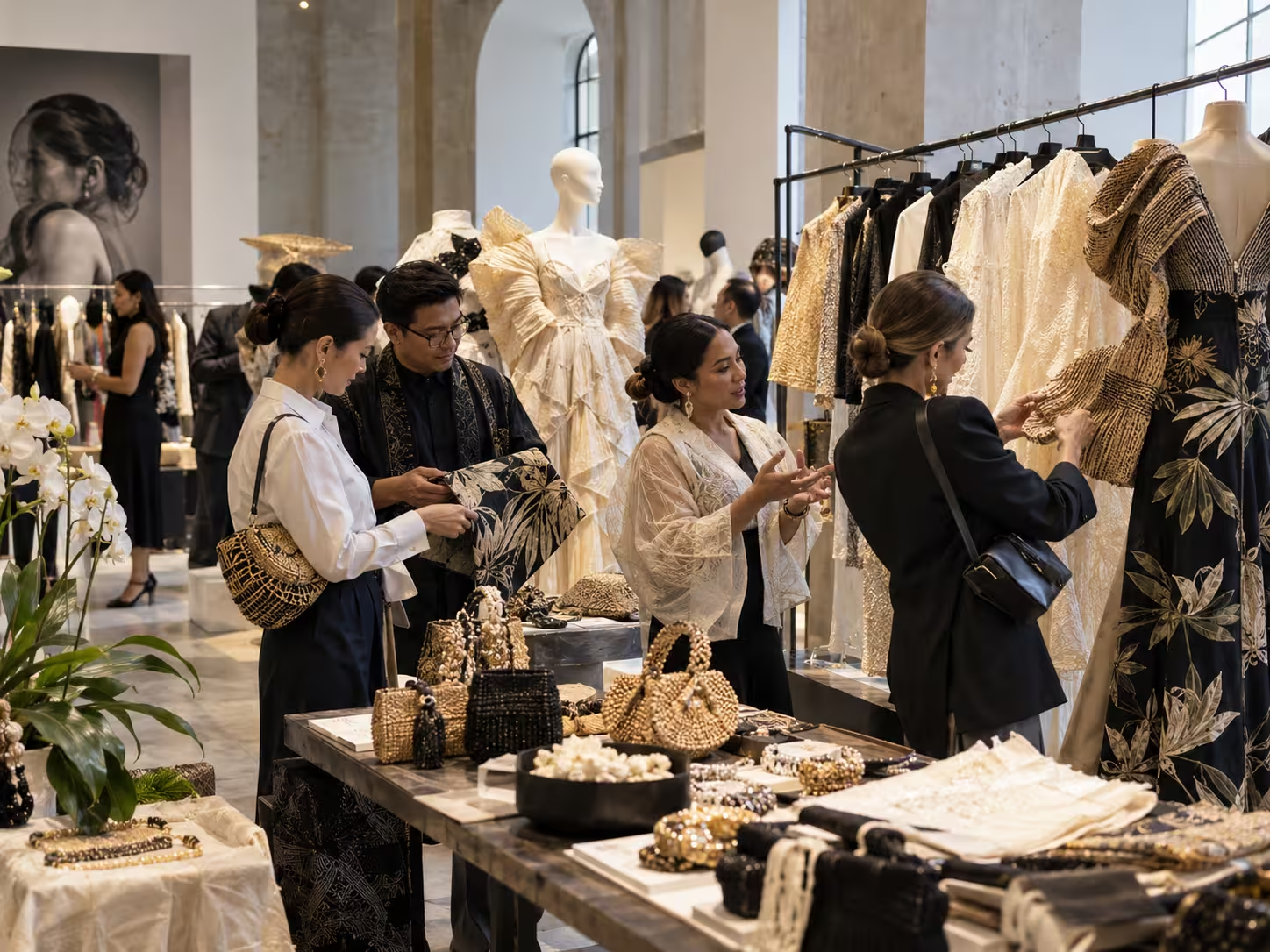
Key trade events such as Manila FAME, organized by the Center for International Trade Expositions and Missions, have become critical meeting points for local artisans and international buyers. In 2026, the event reported a surge in inquiries from European and Middle Eastern retailers seeking authentic Philippine textiles. The DTI’s Go Lokal program has also expanded its roster of partner stores and e-commerce channels, allowing local brands to reach consumers in Japan, Singapore, and the United States. These platforms lower the barriers that once kept small weaving communities out of global markets.
What’s Next for Philippine Fashion Collaboration
Looking ahead, industry experts expect more digital showrooms, cross-border design residencies, and blockchain-based traceability for Philippine textiles. The 2026 outlook points to deeper integration of local craftsmanship into global supply chains—not as a passing trend, but as a permanent feature of responsible fashion. With government backing, designer advocacy, and consumer demand for authenticity, the Philippines is positioning itself as a creative hub where local heritage and international style meet.
About the Author