Hip hop music, originating from the Bronx in New York during the 1970s, has transcended borders and cultural boundaries, establishing a significant presence in the Philippines. Its arrival in the country not only brought a new musical style but also a platform for social commentary, identity expression, and cultural fusion. Filipino artists began embracing hip hop in the late 1980s and early 1990s, creating a unique blend that reflects both global trends and local narratives.
The early adoption of hip hop in the Philippines can be traced back to groups like Francis Magalona and Andrew E., who incorporated rap and beatboxing into songs that often carried patriotic and social messages. Francis Magalona, for instance, became a national icon by using hip hop as a tool to address Filipino identity, pride, and social issues. This fusion of Western hip hop elements with Filipino cultural themes provided a new avenue for youth expression, resonating with generations who sought both entertainment and representation.
One of the defining aspects of hip hop in Philippine music is its focus on storytelling and social consciousness. Filipino rappers often address issues such as poverty, inequality, urban struggles, and political corruption. Unlike mainstream pop music, which frequently centers on love and personal relationships, Philippine hip hop offers a voice for marginalized communities, providing commentary on societal challenges and everyday life experiences. This narrative-driven approach has allowed hip hop to cultivate a loyal and engaged audience that values authenticity and lyrical depth.
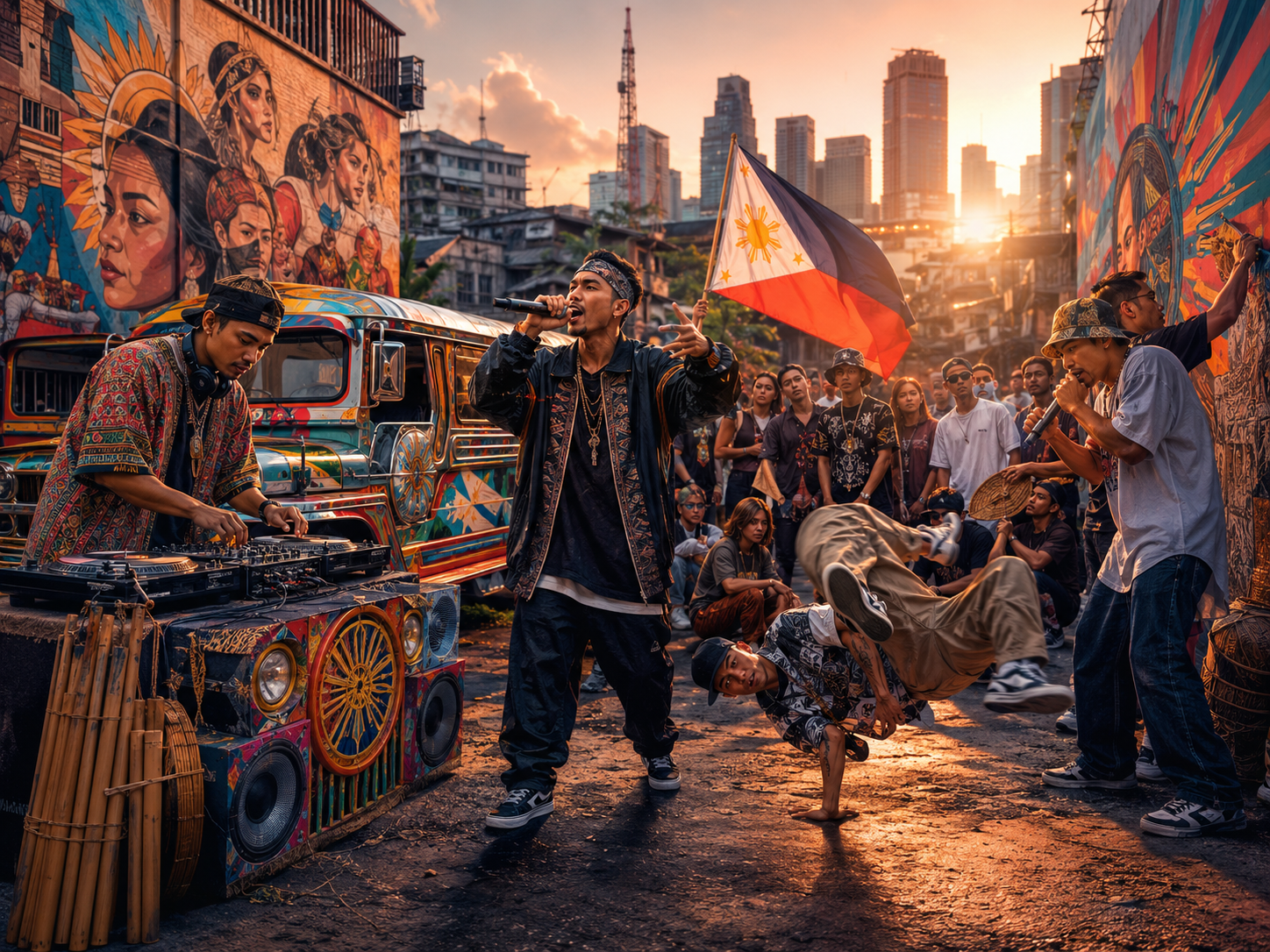
The Philippine hip hop scene is also characterized by linguistic diversity. Artists frequently switch between English, Tagalog, and regional languages, demonstrating a remarkable versatility that reflects the country’s multicultural identity. This multilingual approach makes the music accessible to a broad audience while preserving local linguistic heritage. Additionally, hip hop in the Philippines is closely tied to street culture, graffiti art, and dance, creating a holistic urban culture that extends beyond music itself.
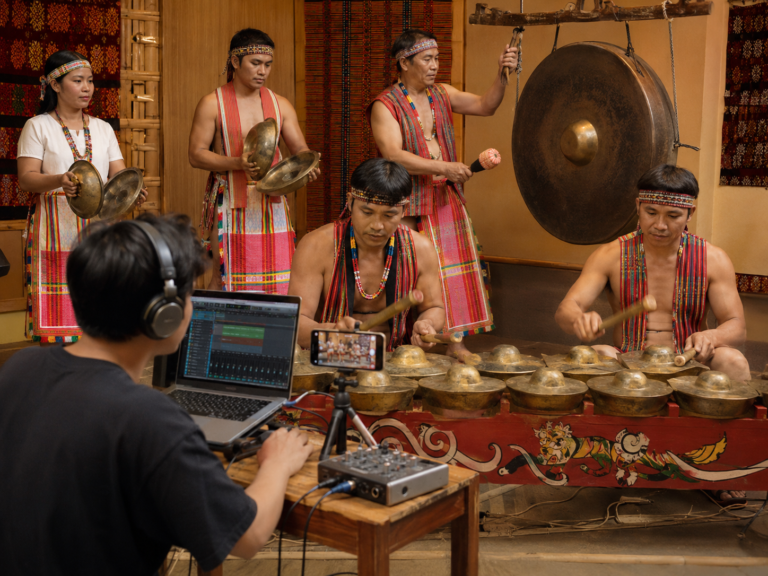
In terms of musical innovation, Filipino artists have combined traditional instruments and indigenous sounds with modern beats and electronic production. This blending of styles results in a distinctly Filipino flavor that sets the country’s hip hop apart from Western counterparts. Collaborations between hip hop artists and pop, rock, or electronic musicians further highlight the genre’s adaptability and influence on the broader music industry.
Over the past decade, Philippine hip hop has experienced significant commercial growth, gaining mainstream recognition and international exposure. Competitions, festivals, and online platforms have facilitated the rise of new talent, encouraging creative experimentation and cross-genre collaboration. Social media, in particular, has become a crucial tool for artists to reach audiences beyond urban centers, democratizing access to hip hop culture and fostering a nationwide community of fans and creators.
Ultimately, the influence of hip hop on Philippine music extends beyond sound and style. It represents a cultural movement that empowers youth, amplifies marginalized voices, and bridges global and local musical traditions. By embracing hip hop, Filipino artists have crafted a unique artistic identity that continues to evolve, offering insights into the country’s social dynamics, aspirations, and creative ingenuity.
About the Author