Cancer is one of the leading causes of death in the Philippines, with thousands of new cases being diagnosed every year. Unfortunately, many Filipinos remain unaware of how to prevent, detect, and treat the disease in its early stages. This lack of awareness is due to various factors, including insufficient access to healthcare, limited education on cancer, and cultural beliefs that may hinder proactive health measures.
The importance of cancer awareness cannot be overstated. Raising public consciousness about the types of cancer, the symptoms, and the available preventive measures is crucial to fighting the disease. Awareness campaigns in the Philippines are beginning to focus more on educating the population about the early signs of cancer and the role of regular screenings in improving survival rates. Early detection is a vital factor in increasing the chances of successful treatment. When cancer is caught at an early stage, it is more treatable, less expensive to manage, and the chances of survival increase significantly.
In the Philippines, the government and non-governmental organizations (NGOs) are taking proactive steps to address the cancer crisis. Programs such as the Department of Health’s (DOH) cancer control initiative and the Philippine Cancer Society (PCS) have been pivotal in promoting education on cancer prevention and screening. These programs emphasize the importance of a healthy lifestyle, such as maintaining a balanced diet, engaging in regular physical activity, and avoiding known carcinogens like tobacco and excessive alcohol. Additionally, they encourage individuals to undergo routine screenings, particularly for cancers that are more prevalent in the Filipino population, such as breast cancer, cervical cancer, and lung cancer.
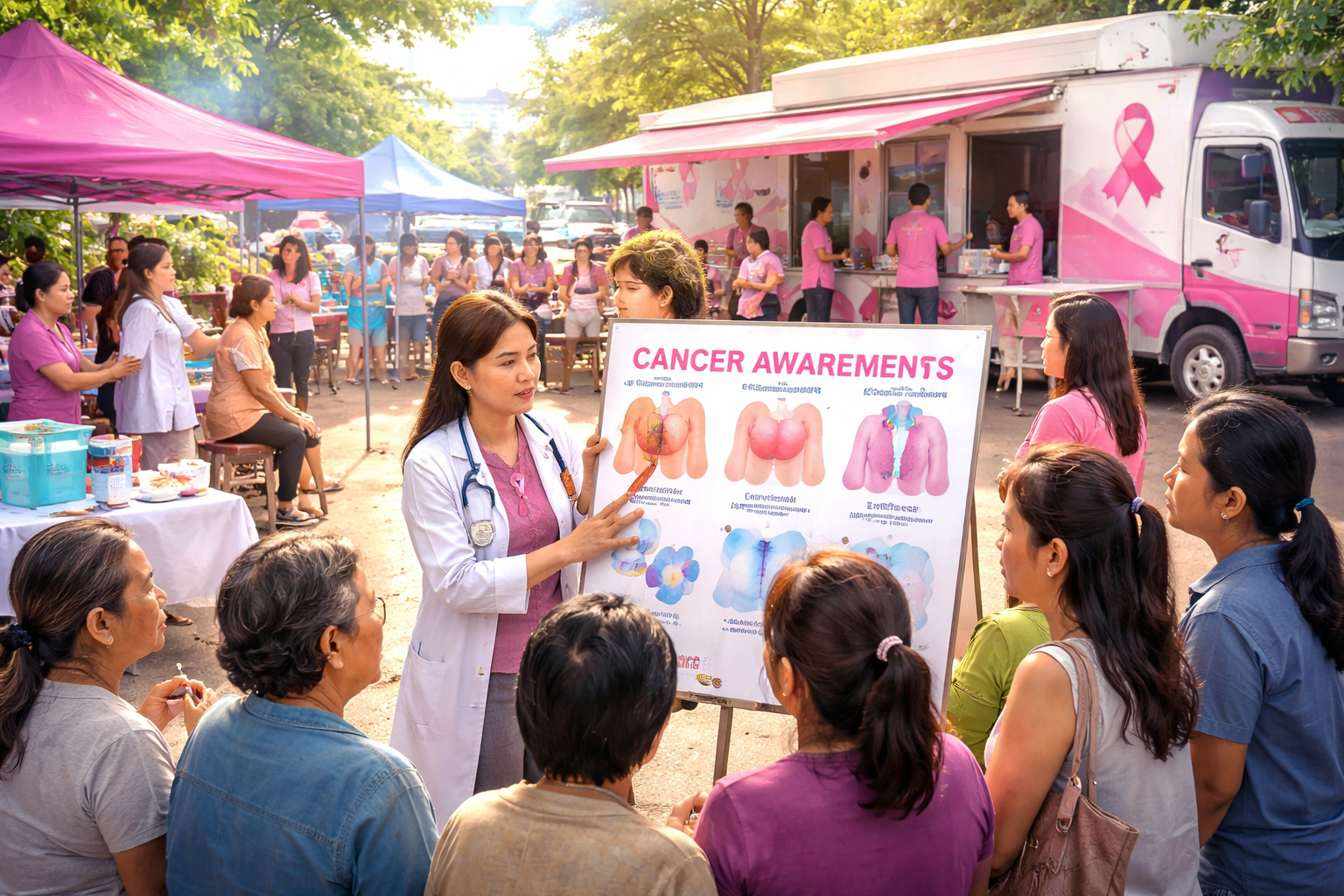
Furthermore, there is a growing effort to make cancer screenings more accessible, especially in rural areas where healthcare infrastructure is limited. Mobile health clinics and telemedicine services have been introduced to reach communities that would otherwise have little access to cancer diagnostic services. The implementation of these programs has seen encouraging results in terms of raising awareness and facilitating early diagnosis.
While progress is being made, more work is needed to ensure that cancer prevention and early detection become an integral part of the healthcare culture in the Philippines. Continued advocacy, government support, and community-based initiatives will be key to improving cancer outcomes in the country.
About the Author