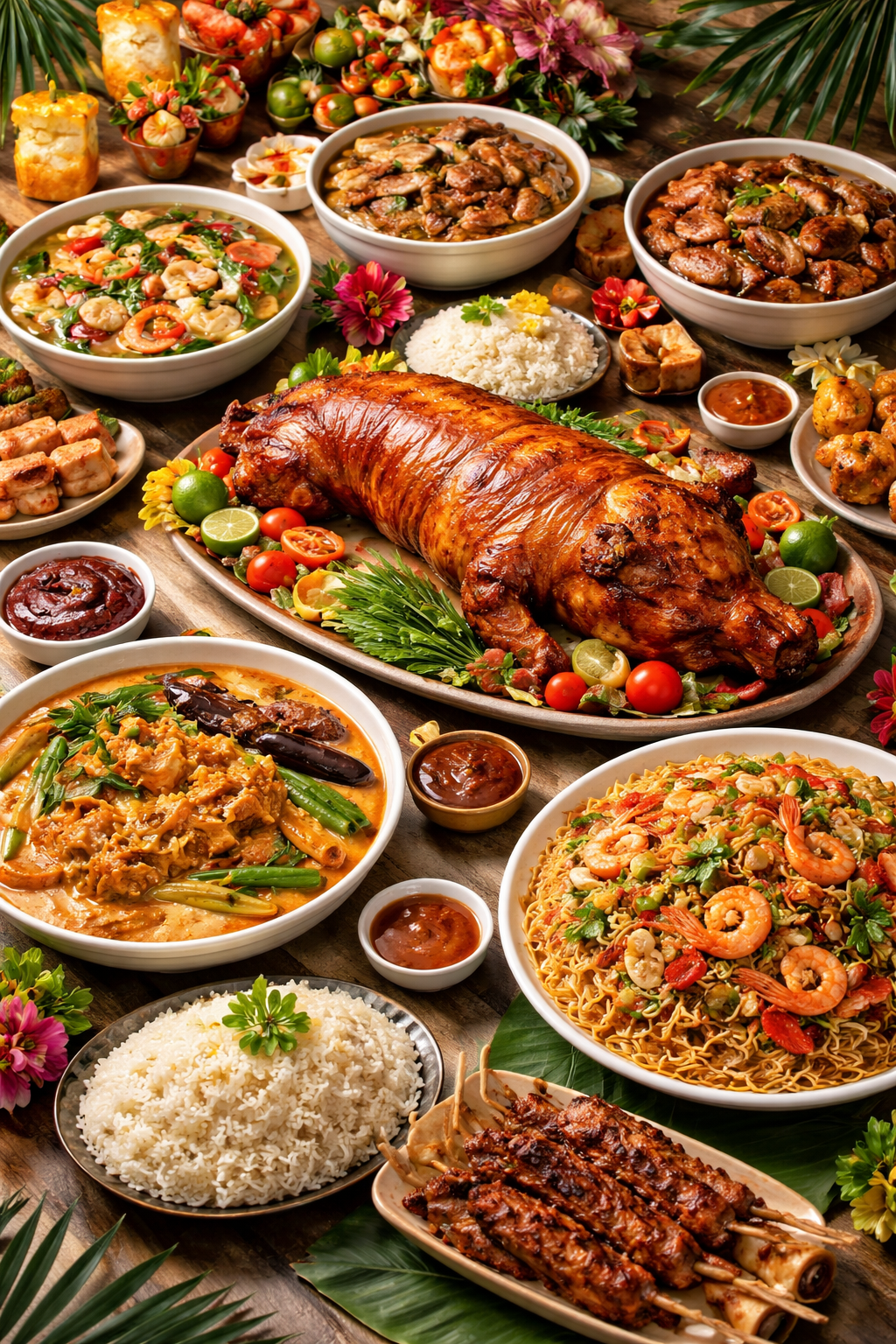
Filipino cuisine is known for its diverse flavors, rich history, and vibrant celebrations, with food playing an essential role in social gatherings. When it comes to special occasions like weddings, birthdays, and holidays, certain dishes are reserved for these festive moments. These main dishes, which are often passed down through generations, provide a connection to Filipino culture and tradition. Let’s explore some of the most popular ones.
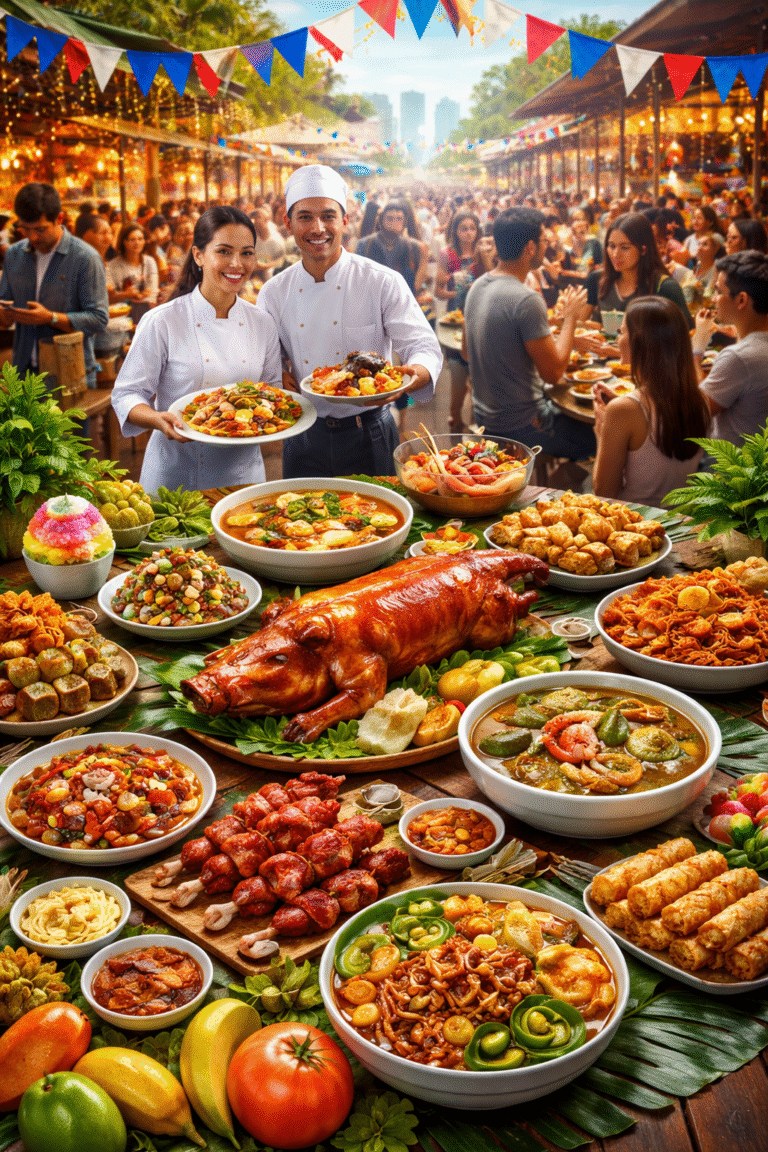
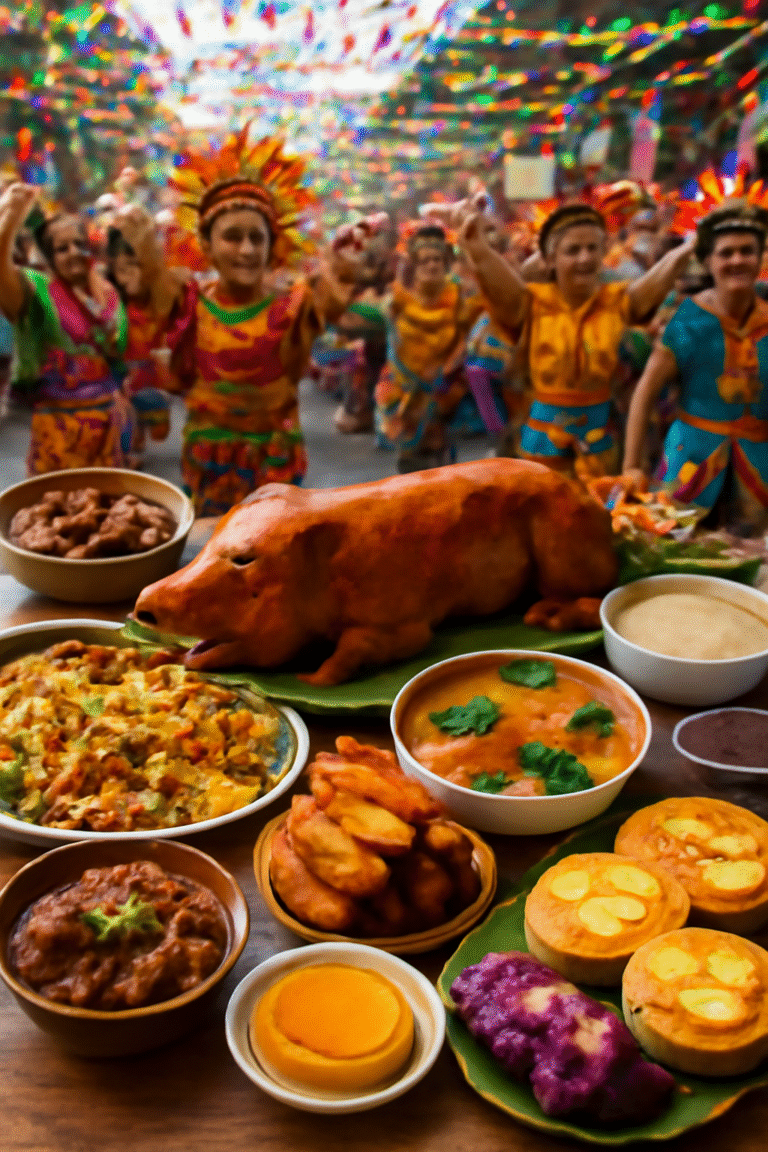
One of the most beloved Filipino main dishes served at special occasions is Lechon, a whole roasted pig cooked over an open flame. The dish is typically the centerpiece of large gatherings and symbolizes abundance and celebration. Lechon is known for its crispy skin and tender, flavorful meat. The preparation process involves marinating the pig in a mixture of spices and herbs before slow-cooking it for hours. The aroma and sight of Lechon often signal the start of a big celebration, making it a must-have at weddings and grand feasts.
Another staple in Filipino special occasions is Kare-Kare, a rich and creamy stew made with oxtail, tripe, and sometimes pork hocks. It’s traditionally served with a peanut sauce and paired with bagoong (fermented shrimp paste) on the side to add a salty contrast. The dish is known for its comforting flavors, and although it’s often enjoyed with rice, it’s also a common feature during major Filipino holidays and family reunions.
Sinigang, a tangy and sour soup, is also a significant part of Filipino cuisine. Though it’s often prepared as a regular meal, it takes on a special role during festive occasions. Made with various meats like pork, shrimp, or fish, the dish is flavored with tamarind, tomatoes, and various vegetables. It’s the perfect dish to balance out the rich, savory meals during large family gatherings, offering a refreshing contrast to the heavier options.
For those who crave something with more of a salty kick, Bicol Express is an excellent choice. This spicy dish, originating from the Bicol region, is made with pork, shrimp, or fish cooked in coconut milk and seasoned with chili peppers. It’s flavorful, creamy, and spicy, making it an exciting addition to any festive Filipino meal.
A more modern addition to Filipino celebrations is Pancit, a noodle dish that comes in many variations. Traditionally, it symbolizes long life, and its presence at birthday parties or anniversaries is considered essential. Pancit Canton, a stir-fried noodle dish with shrimp, pork, and vegetables, is one of the most commonly served versions. There’s also Pancit Malabon and Pancit Palabok, each with its own distinct sauce and ingredients. The dish offers a delightful mix of textures and flavors, making it a crowd-pleaser during special events.
Lastly, Adobo, a dish made of meat (usually chicken or pork) marinated in soy sauce, vinegar, garlic, and spices, is considered the unofficial national dish of the Philippines. Although it’s enjoyed throughout the year, it often makes an appearance during important family gatherings. The combination of the tangy, salty, and umami-rich marinade makes Adobo a comforting dish that resonates with Filipinos both in the country and overseas.
These dishes, whether they’re prepared for a wedding, a holiday feast, or a birthday celebration, offer a glimpse into the heart of Filipino culture. The variety of flavors and cooking techniques reflect the country’s history, from indigenous traditions to influences from Spanish, Chinese, and American cuisines. Each dish is a reflection of the Filipino people’s love for food and their commitment to sharing it during the most important moments of life.
About the Author