The world of theater in the Philippines is a rich and multifaceted landscape, characterized by a profound blend of tradition, innovation, and artistic expression. Philippine theater is not only a form of entertainment but also a powerful medium for social change, preserving cultural narratives, and providing a platform for voices that challenge the status quo.
At the heart of the Philippine theater scene is the country’s long history of storytelling through performance. This tradition dates back centuries, with indigenous performances that were often used to communicate beliefs, history, and community stories. Over time, Filipino theater evolved, influenced by a variety of global styles and movements, yet it always retained its uniquely Filipino essence.
Theatrical Institutions in the Philippines
Several institutions play a pivotal role in nurturing Filipino theater. The Cultural Center of the Philippines (CCP) is a cornerstone of this industry, offering a space for productions that range from classic Filipino plays to contemporary performances. The CCP is home to several theater companies, such as the Tanghalang Pilipino, which showcases productions in the Filipino language, and the Philippine Educational Theater Association (PETA), known for its commitment to socially relevant and innovative works.
Another notable company is Repertory Philippines, which has been instrumental in introducing Western theater classics to Filipino audiences. The adaptability and creativity of these groups demonstrate the dynamic nature of the country’s theater scene, which blends both the traditional and the modern.
Thematic Focus and Innovations
Filipino theater productions often address themes that resonate deeply with local audiences. These include topics like family dynamics, social inequalities, political struggles, and Filipino identity. One of the most notable examples is the play “Rizal”, a historical musical that honors the national hero Jose Rizal and his contributions to the Philippine revolution. This type of historical theater is important not only for education but for fostering a sense of pride and national consciousness.
Another exciting trend is the growing prominence of experimental theater. Groups like Tanghalang Ateneo and Dulaang UP are known for their avant-garde productions, blending multimedia elements, modern stage design, and interactive storytelling techniques to create immersive experiences for the audience. These productions often push the boundaries of what theater can represent, inviting the audience to not only witness a performance but to become part of it.
Theater as Social Commentary
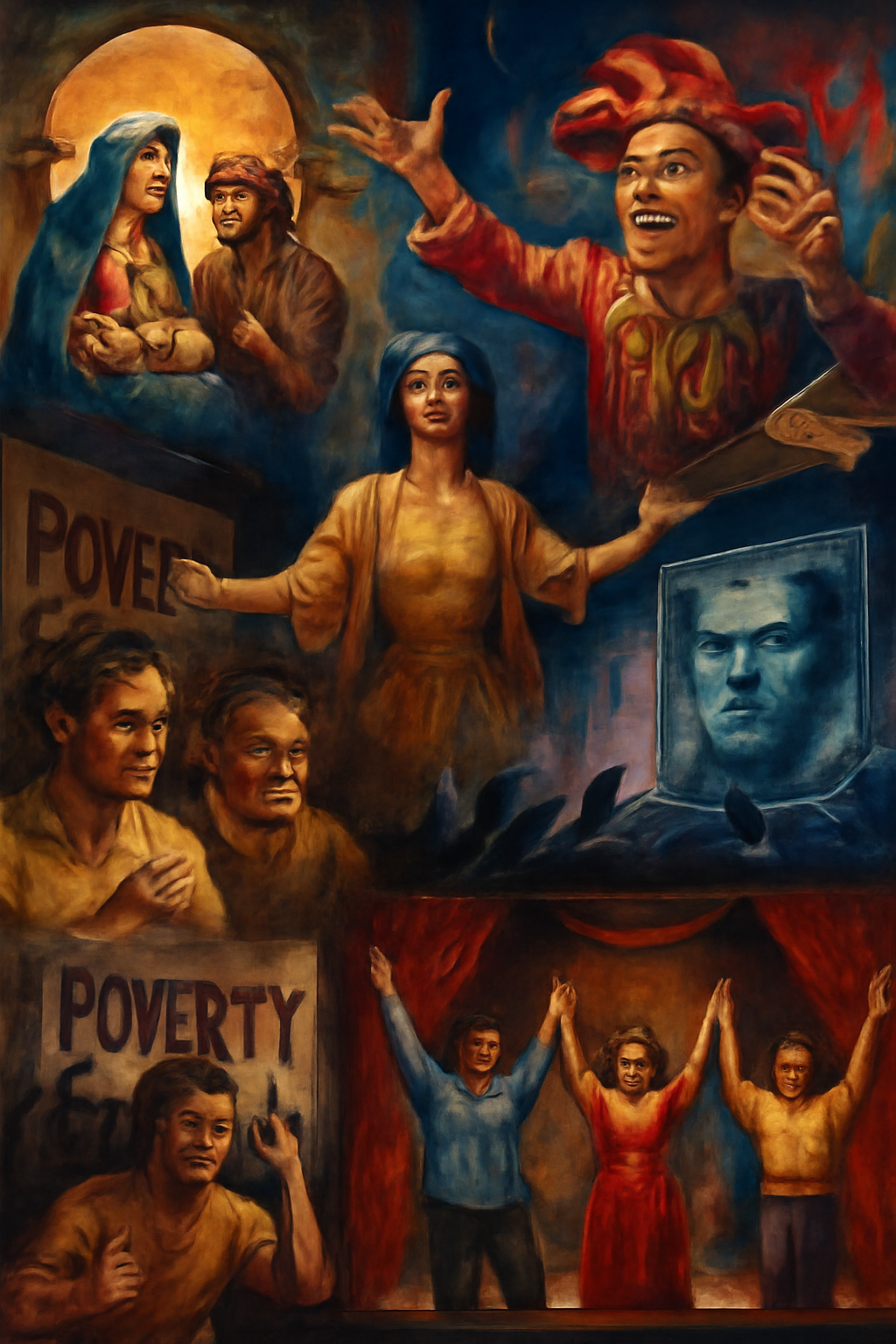
Philippine theater has long been used as a vehicle for political and social commentary. During the dictatorship of Ferdinand Marcos, plays like “Ang Mga Anak-Dalita” were critical in expressing dissent and calling attention to the struggles of the marginalized. Today, theater still plays a similar role, with productions tackling contemporary issues like poverty, corruption, and the struggles of the working class.
For example, PETA’s “Bona”, a play based on the struggles of women in the entertainment industry, delves into the exploitation and societal expectations placed on women, offering a sharp critique of both the industry and the culture surrounding it. These productions highlight the power of theater to reflect and critique society, challenging audiences to consider their own roles in creating change.
Festivals and International Recognition
The Philippine theater scene has gained international recognition through its participation in various global festivals. The Philippine International Theater Festival showcases local talent and promotes Filipino works to international audiences, ensuring that the unique aspects of Filipino culture are shared on a global stage. Theater companies also frequently participate in international theater competitions and festivals, bringing home prestigious awards that highlight the artistic excellence of Filipino theater.
The Future of Philippine Theater
Looking ahead, the future of Philippine theater is bright. The continued evolution of digital technology is opening new doors for virtual performances and hybrid models that combine both physical and online experiences. Furthermore, the emergence of new voices in the theater scene ensures that Filipino theater will continue to be relevant, diverse, and representative of the ever-changing landscape of Filipino society.
As the Philippine theater community expands and evolves, it is clear that its productions will continue to engage, entertain, and inspire. From historical narratives to contemporary issues, Filipino theater remains a dynamic and powerful force in the arts.
About the Author