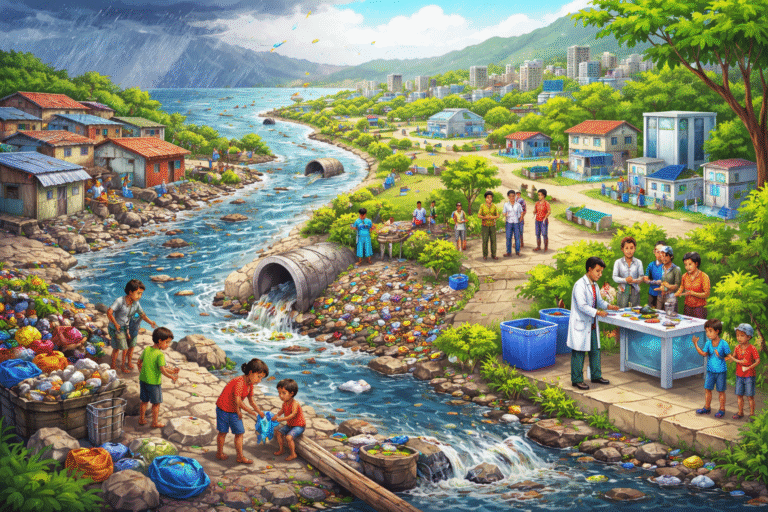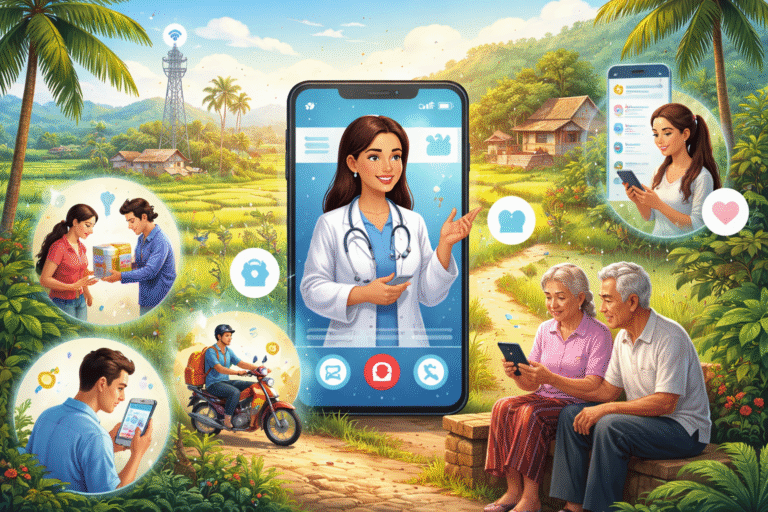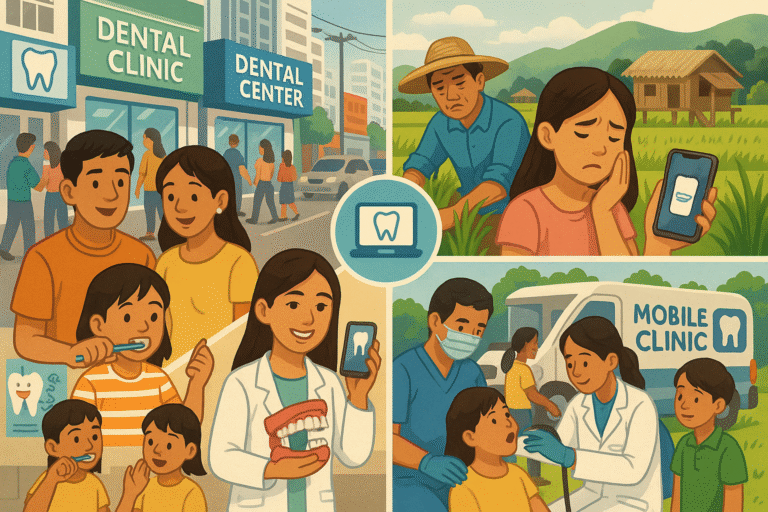
In the Philippines, child health remains a top priority for both the government and the private sector, with ongoing efforts to address various health challenges faced by children. The country, with its diverse population and limited healthcare infrastructure in rural areas, faces unique challenges in providing adequate healthcare to its younger population. Nevertheless, initiatives from both public and private entities are gradually improving the health status of Filipino children.
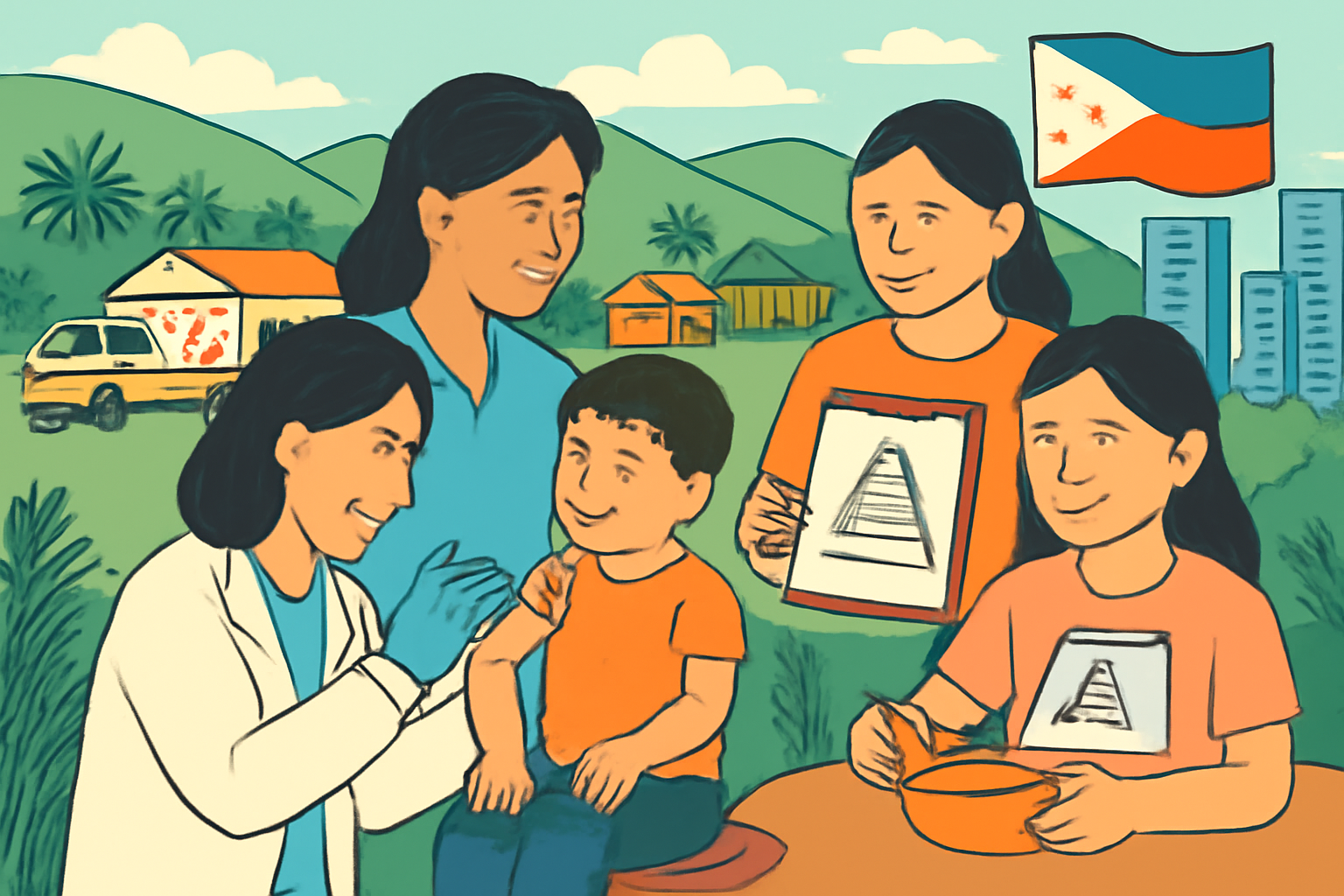
The Philippine government has launched several key programs aimed at improving child health. One of the most significant is the Philippine Health Agenda, which focuses on maternal and child health services. Under this initiative, the government has worked to reduce maternal and child mortality rates, combat malnutrition, and promote vaccination. The Department of Health (DOH) has implemented the Expanded Program on Immunization (EPI) to ensure that children are vaccinated against preventable diseases such as measles, polio, and hepatitis. This initiative has made significant strides in increasing vaccination rates, particularly in remote and underserved areas.
Another critical program is the Philippine Plan of Action for Nutrition (PPAN), which addresses child malnutrition. Malnutrition remains a major concern, with a significant number of Filipino children experiencing stunting and underweight issues. The government, in collaboration with local government units (LGUs), provides supplementary feeding programs and nutritional support to combat malnutrition, especially in the poorest regions. These programs are aimed at ensuring that children receive adequate nutrition during their critical developmental years.
Furthermore, the government has made efforts to improve the accessibility of healthcare services for children. Health centers and rural health units (RHUs) play a crucial role in providing essential health services such as regular check-ups, immunizations, and treatments for common childhood illnesses. The Kalusugan Pangkalahatan or Universal Health Care (UHC) law, enacted in 2019, ensures that all Filipino children, especially those in impoverished areas, have access to affordable healthcare services.
On the private sector side, numerous non-governmental organizations (NGOs) and health-focused organizations are working alongside the government to improve child health outcomes. The Philippine Business for Social Progress (PBSP) is one such organization, which funds healthcare projects targeting children’s health. PBSP works with communities to provide health education, resources, and healthcare services that aim to reduce the incidence of preventable diseases in children.
In addition, private hospitals and clinics in the Philippines have been instrumental in providing specialized care for children with specific health issues, such as congenital disorders and developmental delays. These private institutions often collaborate with the government to extend their services to marginalized communities, providing both treatment and prevention strategies.
Public-private partnerships (PPPs) have become increasingly important in advancing child healthcare in the country. For instance, the collaboration between government agencies and private pharmaceutical companies has led to the wider distribution of vaccines and medical supplies. These partnerships help to fill the gaps in healthcare access and ensure that the latest medical innovations reach Filipino children.
While there is still much work to be done, especially in addressing healthcare disparities between urban and rural areas, both the government and private sector have demonstrated a strong commitment to improving child health. The combined efforts are gradually leading to improved health outcomes, with lower mortality rates, increased vaccination coverage, and better nutritional standards for children across the country.
About the Author