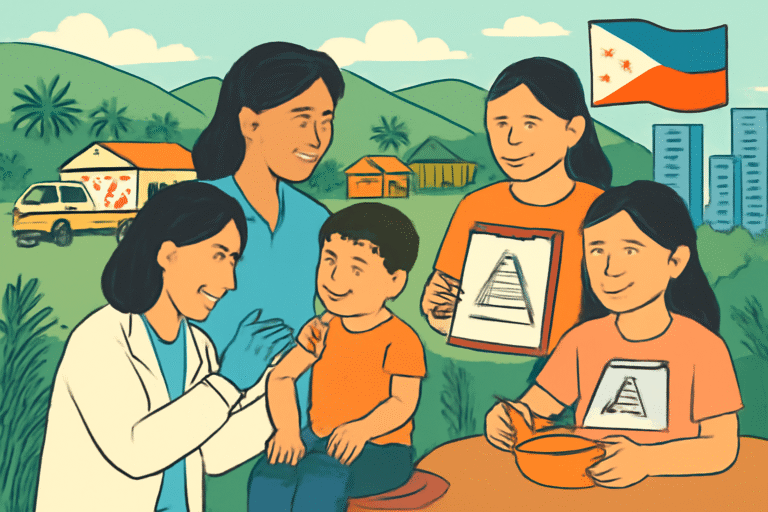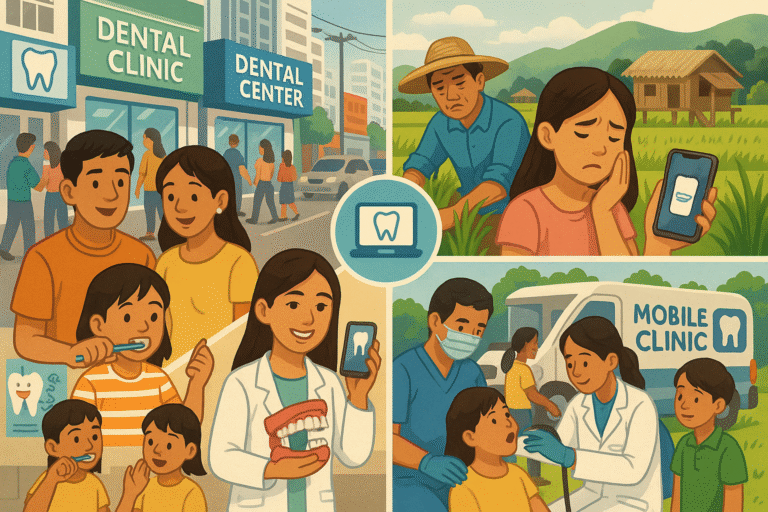
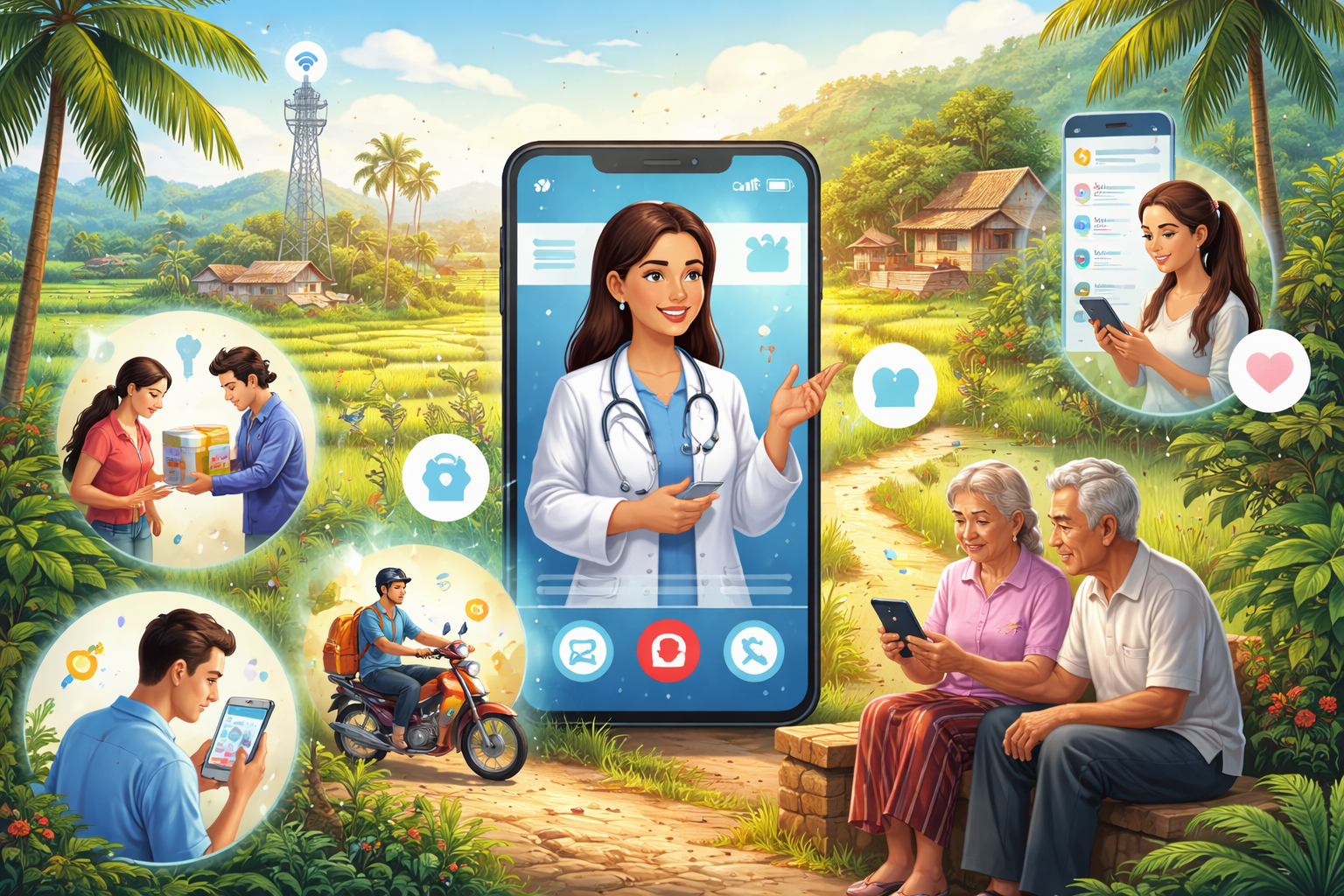
In recent years, the Philippines has seen a significant shift towards the integration of digital health services, including telemedicine and mobile health applications. These innovations have not only transformed healthcare delivery but have also made healthcare more accessible, especially in rural and underserved areas where medical resources are limited. Telemedicine and health apps are becoming essential tools in overcoming barriers like distance, time, and limited access to specialists.
Telemedicine, which refers to the use of technology to provide remote healthcare services, has gained significant traction in the Philippines. The growing internet penetration and the widespread use of smartphones have made telemedicine a viable option for many Filipinos. Through telemedicine platforms, patients can consult with doctors, get prescriptions, and even follow up on treatment plans without needing to visit a healthcare facility physically. This is particularly valuable in a country with more than 7,000 islands, where people in remote areas may find it difficult to access quality medical care.
The Philippine government has been proactive in supporting telemedicine. In 2020, the Department of Health (DOH) introduced several initiatives aimed at expanding telehealth services. This includes the launch of telemedicine platforms like the “Botika ng Bayan” program, which provides online consultations and medicine delivery services. Furthermore, the government has partnered with private companies and non-governmental organizations to increase the availability of digital healthcare services across the archipelago.
Health applications (apps) are another critical component of digital health services in the Philippines. These apps allow individuals to manage their health, track their fitness levels, monitor chronic conditions, and access health information in real-time. Apps like “HealthNow” and “MedGrocer” have gained popularity, allowing users to book doctor’s appointments, get medications delivered to their doorstep, and receive reminders for regular health checkups or medication intakes.
The rise of mobile health apps has also been supported by the increasing smartphone penetration in the Philippines. According to a report from Statista, as of 2023, approximately 70% of Filipinos own smartphones, making mobile applications a powerful tool in healthcare delivery. These apps are not only limited to general healthcare; some apps are specifically designed to monitor diseases such as diabetes, hypertension, and asthma, providing patients with valuable data and enabling more effective disease management.
The effectiveness of telemedicine and health apps in the Philippines is further highlighted by their role during the COVID-19 pandemic. With movement restrictions in place, telemedicine became a lifeline for those in need of medical care. Healthcare professionals were able to continue consultations while minimizing the risk of virus transmission, ensuring that essential health services were still available to those in need.
Despite the positive impact of these technologies, challenges remain in their widespread adoption. Internet connectivity issues in rural areas, digital literacy gaps, and the lack of infrastructure in remote regions are barriers that need to be addressed. Nevertheless, the continued development of digital health services in the Philippines shows great promise in reshaping the healthcare landscape, ensuring that healthcare is accessible to more people, regardless of location.
About the Author