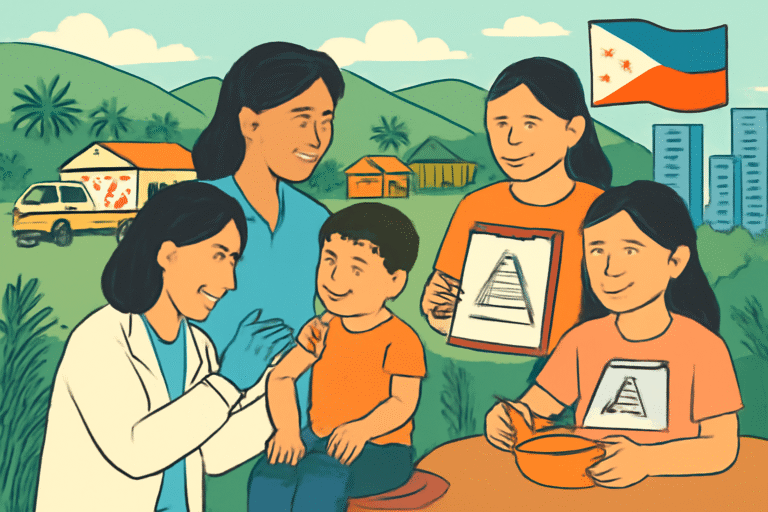
In recent years, the Philippines has seen a growing trend toward healthier eating, with more people becoming aware of the importance of nutrition and well-being. This shift is driven by both health concerns and the desire to maintain an active lifestyle. The Philippines’ rich culinary culture, traditionally based on rice, meat, and seafood, has undergone transformation, as modern influences and dietary awareness take center stage.
One of the most popular healthy food trends in the Philippines today is the emphasis on fresh and locally-sourced ingredients. Filipino cuisine is increasingly incorporating more vegetables, fruits, and whole grains into daily meals. One example of this is the popularity of “Pinoy Superfoods” like malunggay (moringa), which is known for its high nutritional value. Malunggay is often used in soups, salads, and smoothies, offering a rich source of vitamins and minerals.
Another important factor in the shift toward healthier eating is the growing awareness about the dangers of high sugar and salt consumption. The Filipino diet has historically included sweetened beverages, such as soft drinks and fruit juices, as well as a reliance on salty condiments like fish sauce. Now, many Filipinos are turning to natural alternatives like coconut water, fresh fruit juices, and reduced-sodium seasoning to make their meals healthier.
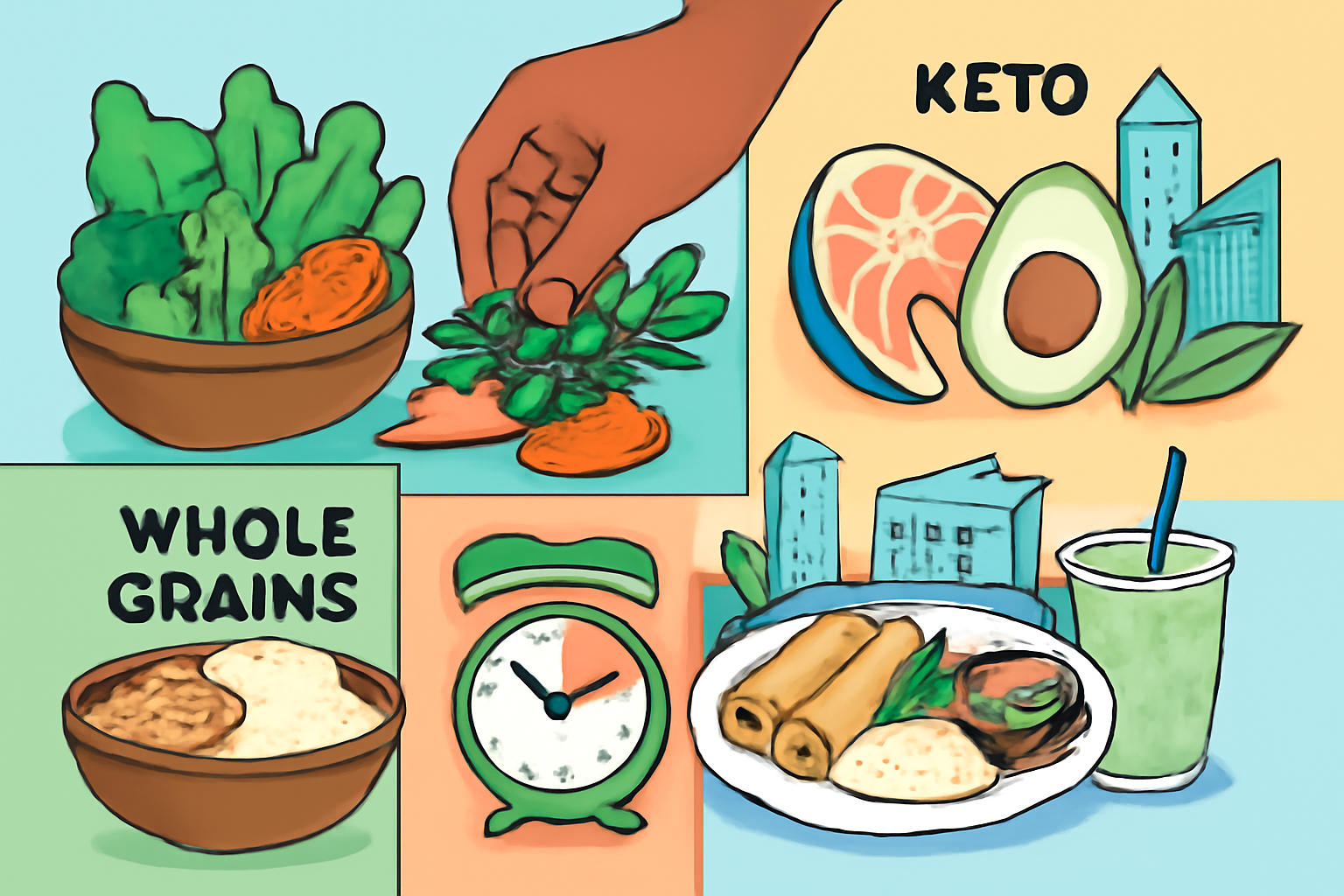
When it comes to popular diets, the ketogenic (keto) diet is currently a leading trend in the Philippines. The keto diet is known for its low-carb, high-fat approach, which promotes fat burning by putting the body into a state of ketosis. Many Filipinos are adopting this diet in hopes of losing weight, improving mental clarity, and boosting energy levels. Keto-friendly meals are widely available in cities, offering dishes like grilled meats, cheese, avocado, and healthy oils.
The intermittent fasting (IF) method has also gained traction among Filipinos looking to manage their weight. Intermittent fasting involves alternating periods of eating and fasting, with popular windows like the 16:8 approach (16 hours of fasting and 8 hours of eating). This method is praised for its simplicity and effectiveness, especially for those who have busy lifestyles and struggle to maintain consistent meal schedules.
In addition to these specific diets, the plant-based diet is also becoming more popular in the Philippines, especially in urban areas. The rise of veganism and vegetarianism has led to an increase in plant-based restaurants and options, making it easier for individuals to adopt a diet free from animal products. Traditional Filipino dishes such as adobo and lumpia are often reimagined with plant-based ingredients, allowing people to enjoy familiar flavors while adhering to a healthier, more sustainable lifestyle.
Overall, the Philippines is experiencing a shift toward healthier eating patterns, driven by both local food traditions and modern dietary trends. As Filipinos embrace these changes, they are finding creative ways to incorporate healthy foods and popular diets into their daily lives, promoting better overall health and wellness.
About the Author