Fashion in the Philippines has undergone a remarkable transformation over the years, combining elements of both Western influences and indigenous local culture. The fusion of these two distinct styles has created a unique aesthetic that reflects the country’s rich history, diverse culture, and its growing global influence. Filipino designers have been able to merge Western trends with local fabrics, traditional techniques, and cultural symbols to create a contemporary yet deeply rooted style that appeals to both local and international audiences.
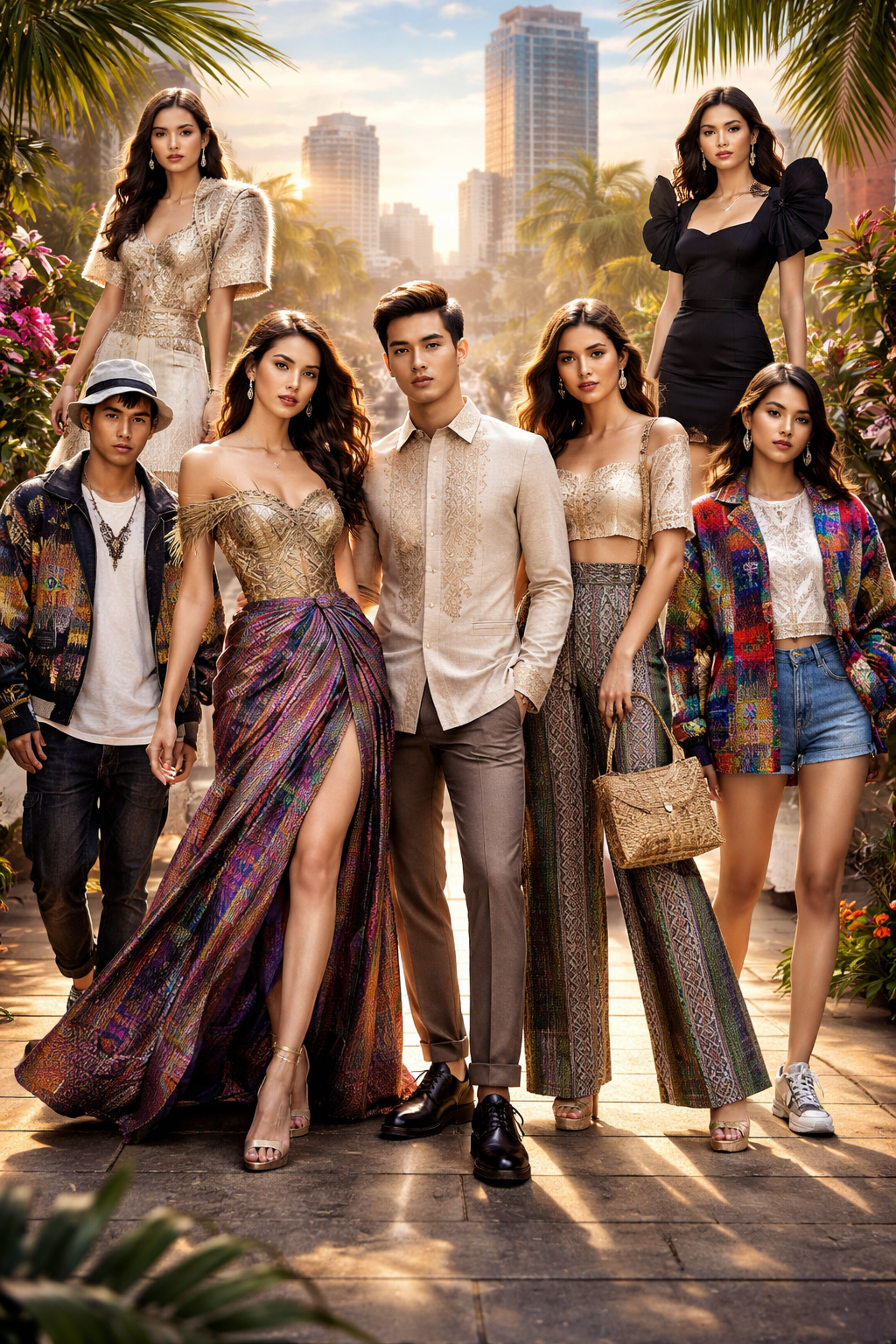
One of the most prominent examples of this fusion can be seen in the use of the barong Tagalog, a traditional Filipino garment that has been modernized with Western cuts and materials. The barong was once solely reserved for formal events, but today, it is being incorporated into casual wear, even blending with contemporary Western designs. Designers like Rajo Laurel and Michael Cinco have brought the barong into the fashion spotlight, using luxurious fabrics such as silk, chiffon, and even organza, merging traditional Filipino style with a globalized aesthetic.
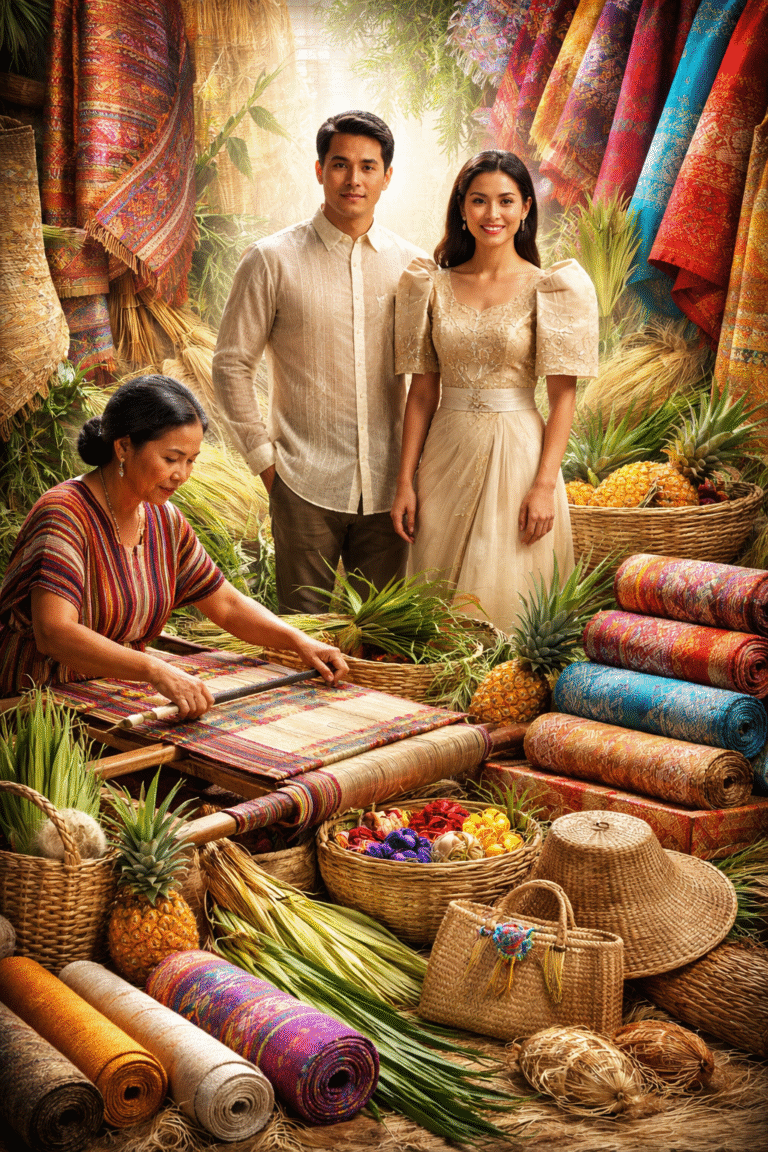
Another example of the Western-local fusion is seen in the use of indigenous Filipino fabrics like piña, abaca, and jusi. These natural fibers have been traditionally woven by Filipino artisans into garments for centuries, and designers have worked to incorporate them into modern-day fashion. The fabrics are often paired with Western silhouettes, such as blazers, dresses, and skirts, to create a fresh look that is both stylish and culturally significant. This blend of local and Western materials offers a sustainable and ethical approach to modern fashion, promoting both the preservation of indigenous traditions and the global appeal of Filipino craftsmanship.
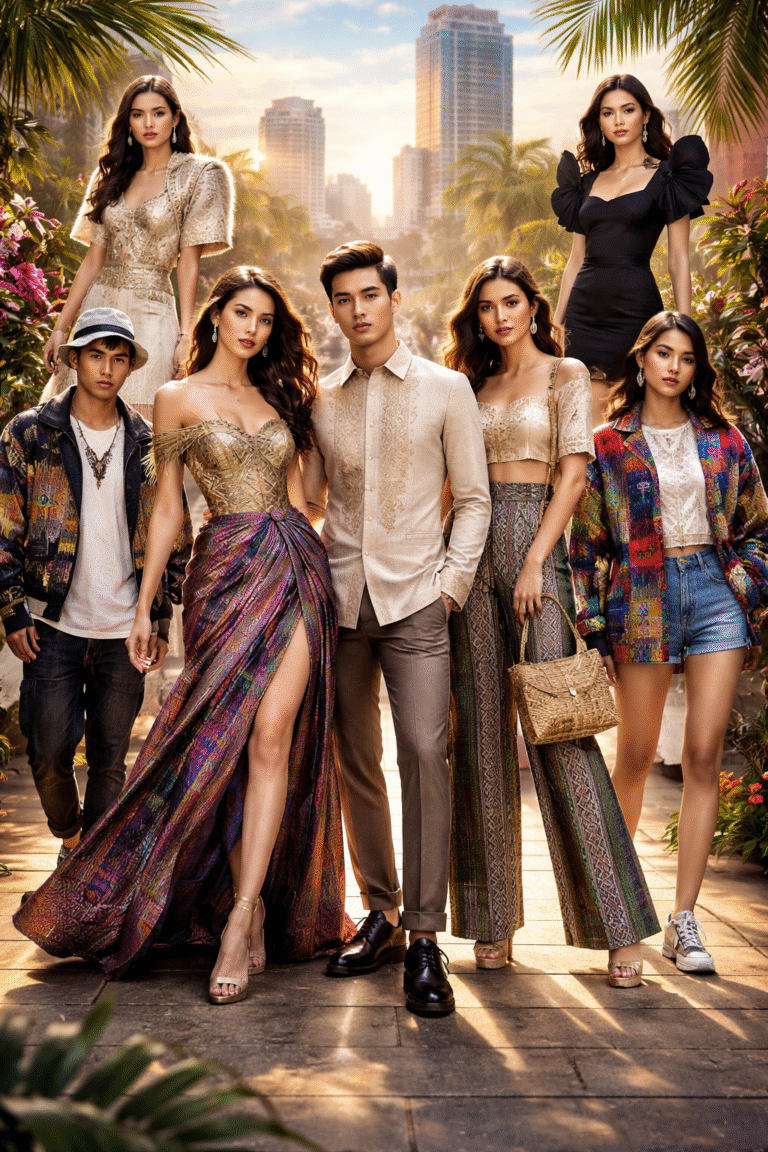
Filipino fashion designers have also incorporated elements of Western streetwear into their designs, especially in urban areas. The rise of street style culture in the Philippines has led to a surge in the popularity of items such as oversized T-shirts, sneakers, and denim jackets. Local designers like Jor-el Espina and Vania Romoff have found ways to incorporate local fabrics and cultural motifs into these Western-style streetwear pieces. The result is a fashion movement that is deeply rooted in Filipino identity, while also appealing to the modern, globalized fashion scene.
The emergence of local fashion boutiques, as well as the rise of fashion influencers and bloggers in the Philippines, has contributed to the popularity of this fusion style. Social media has played a crucial role in showcasing how Filipino fashion can be both traditional and contemporary. Influencers like Camille Co and Kryz Uy have embraced the fusion of Western and local fashion, often showcasing their outfits that combine traditional Filipino elements with modern, trendy pieces. This has made Filipino fashion more accessible to a wider audience, both locally and abroad.
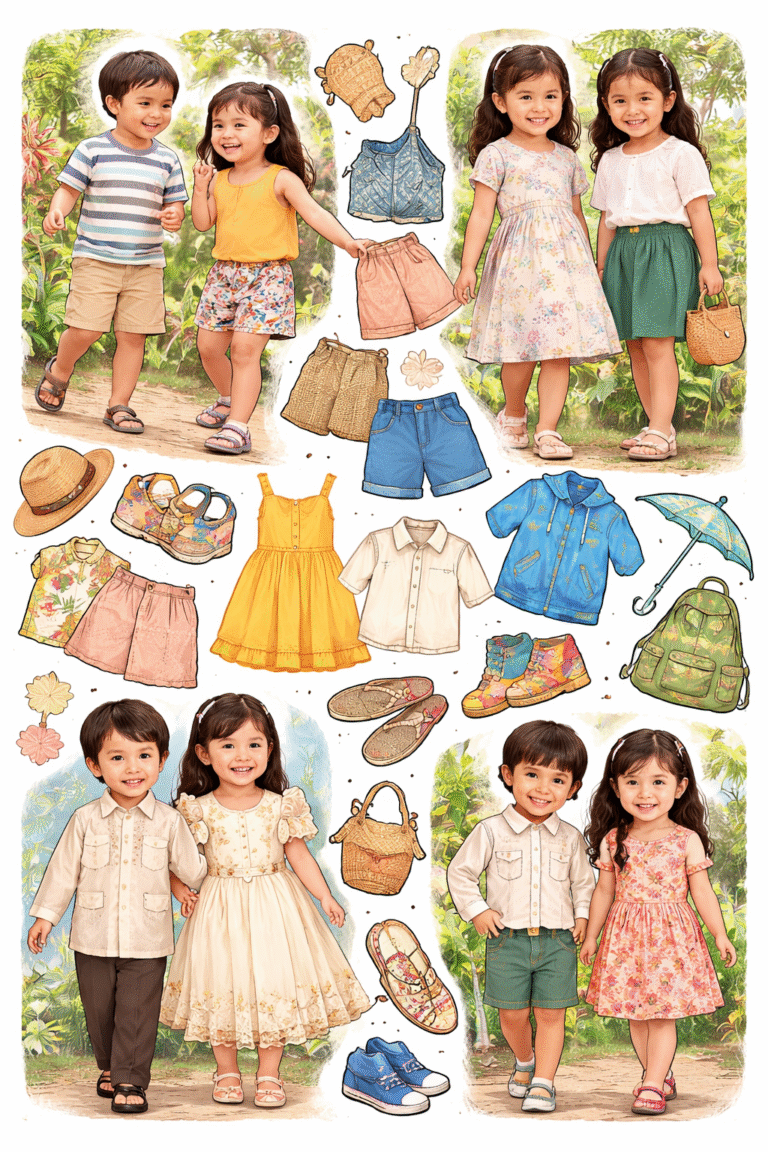
In addition to clothing, the fusion of Western and local styles can also be seen in Filipino accessories. Designers have creatively integrated indigenous beads, shells, and embroidery with Western-style handbags, jewelry, and footwear. This combination allows Filipinos to wear their heritage proudly while remaining fashionable and on-trend. It also opens up opportunities for sustainable fashion, as many of these accessories are handmade by local artisans and support the livelihood of rural communities.
The blending of Western and local styles in Philippine fashion demonstrates the dynamic nature of Filipino culture and its ability to adapt to global trends while still honoring its traditional roots. As Filipino designers continue to innovate and experiment, it is likely that this fusion will remain a dominant theme in the fashion industry, helping to create a distinct and recognizable Filipino identity in the global fashion landscape.
About the Author