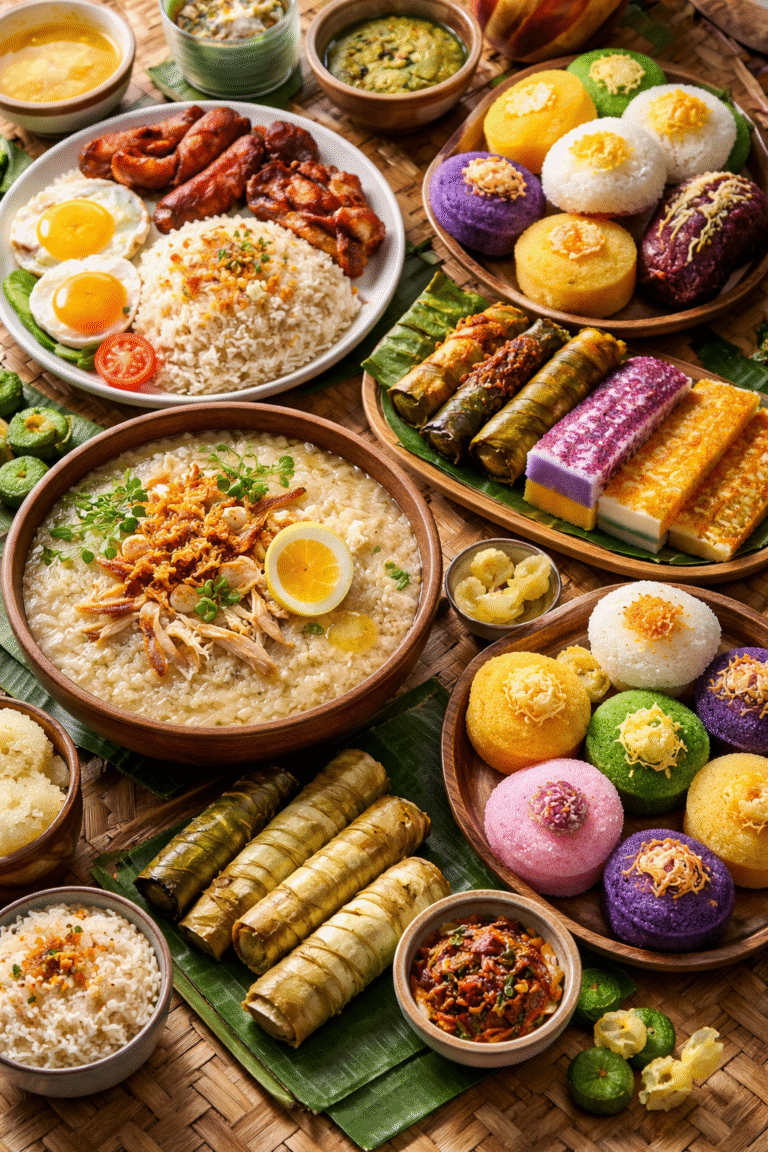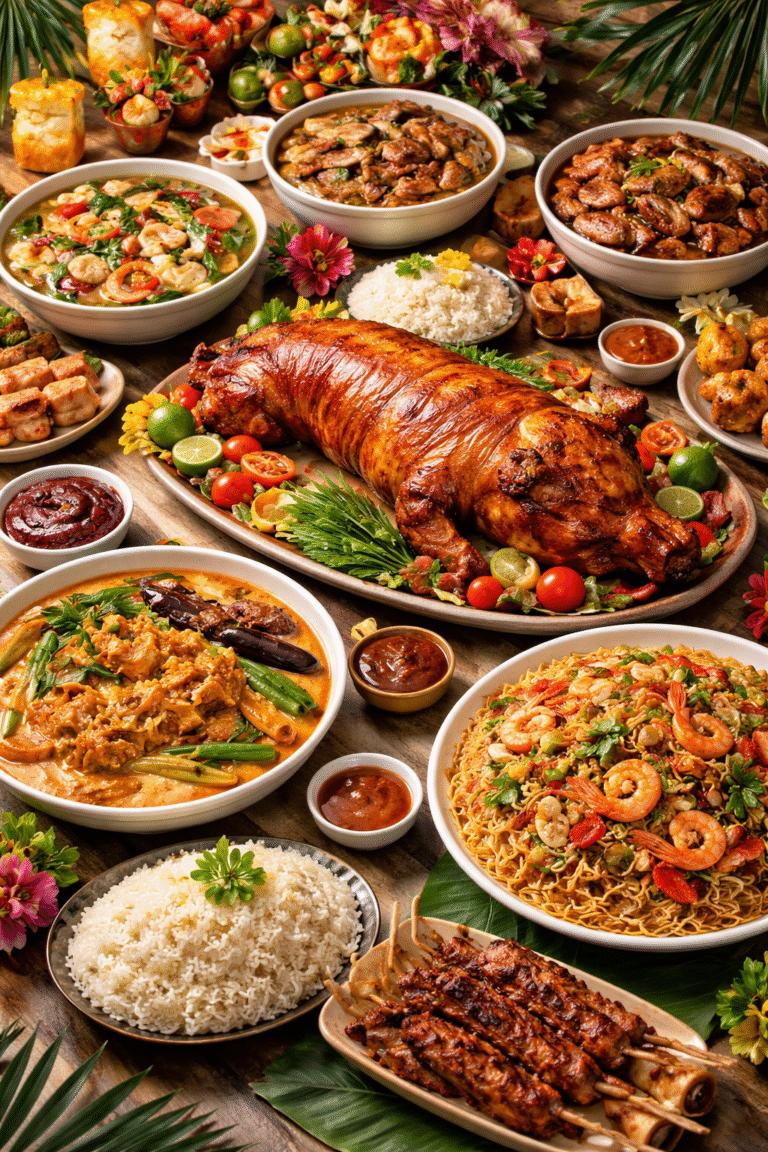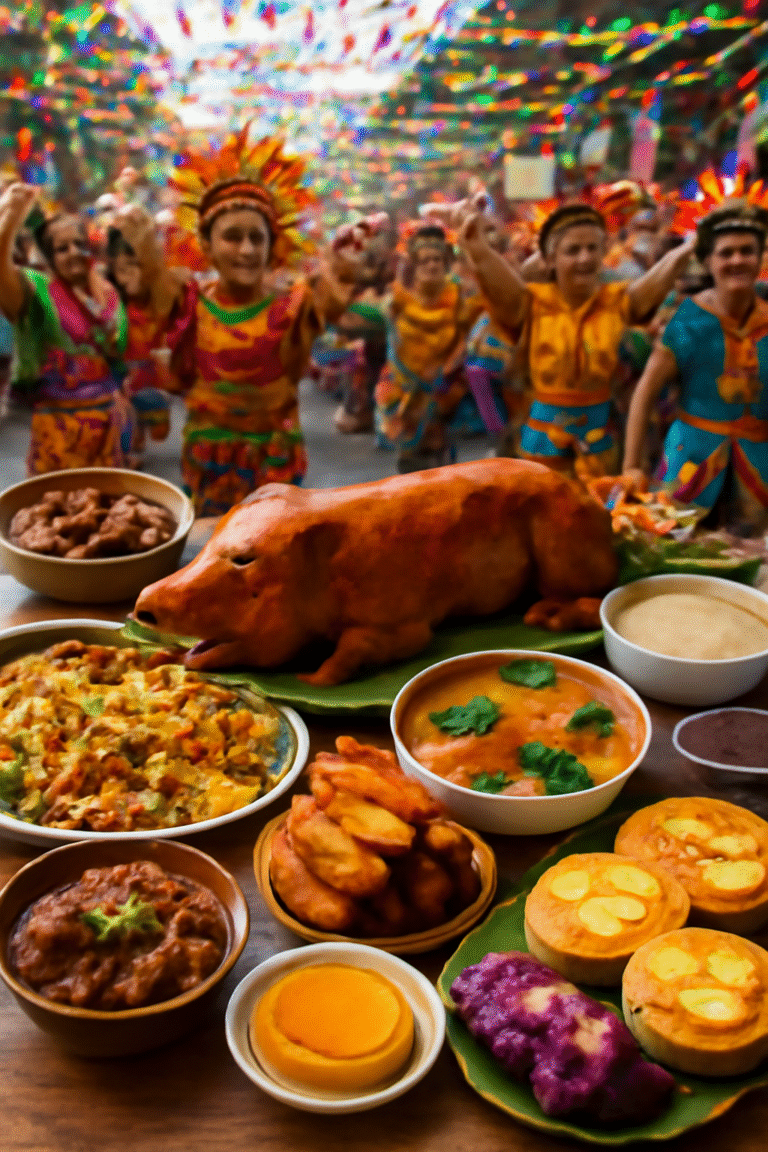
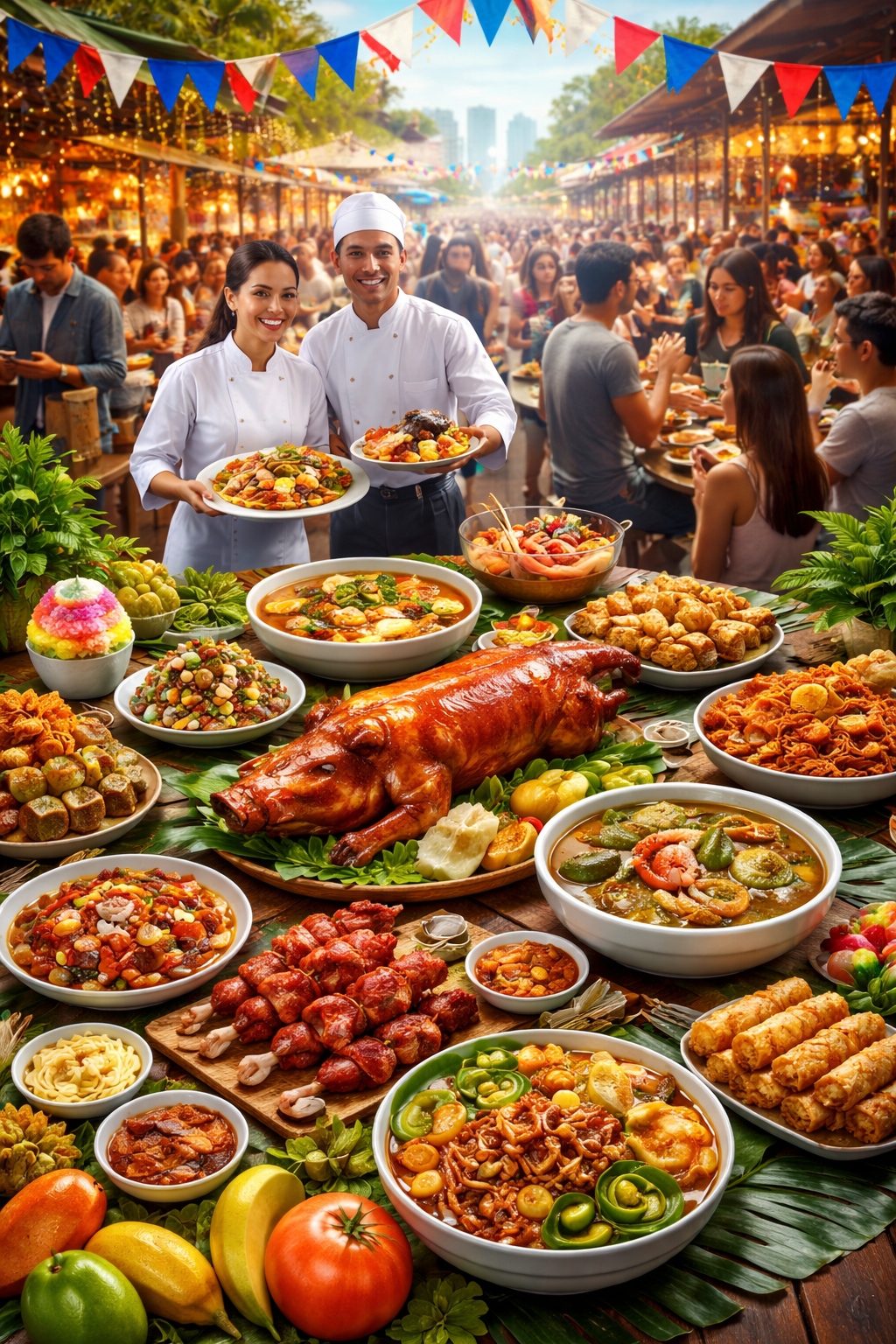
Filipino cuisine, long overshadowed by the culinary giants of Southeast Asia, has gradually emerged as one of the most exciting and innovative food movements in recent years. Over the past decade, more and more international food critics, chefs, and enthusiasts have recognized Filipino dishes for their unique flavors and rich history. From the streets of Manila to upscale dining establishments around the world, Filipino food has begun to make its mark.
One of the primary reasons Filipino cuisine is gaining attention internationally is its distinct blend of flavors. Filipino dishes often combine salty, sour, sweet, and umami flavors in one meal, creating a complex and harmonious taste. For example, adobo, a marinated dish made from pork or chicken, boasts a savory-salty base with hints of vinegar and soy sauce, while sinigang, a sour tamarind-based soup, is both refreshing and savory. This balance of contrasting flavors, together with the incorporation of fresh local ingredients, has intrigued chefs and food lovers alike.
The growing presence of Filipino chefs in international culinary scenes has also played a crucial role in elevating Filipino food globally. Figures like Margarita Fores, a highly acclaimed Filipino chef, have brought a modern twist to traditional Filipino recipes, making them more accessible to international palates. These chefs not only showcase the diversity of Filipino food but also advocate for its cultural importance. As more Filipino chefs take their expertise overseas, they spread awareness and appreciation for the country’s food culture.
Furthermore, Filipino cuisine’s rise can be attributed to the increasing number of Filipino restaurants opening worldwide. Major cities like New York, London, and Los Angeles now boast thriving Filipino food scenes. In these cities, dishes like lechon (roast pig), lumpia (spring rolls), and halo-halo (a popular dessert) have found loyal followings among locals and tourists. Additionally, food festivals and pop-up events featuring Filipino cuisine have attracted crowds eager to experience new tastes. The participation of Filipino food in global events, such as the World Street Food Congress, has further reinforced its place in the international culinary spotlight.
Social media has also played a pivotal role in the global recognition of Filipino food. Platforms like Instagram and YouTube have allowed food enthusiasts to share their experiences, recipes, and cooking tips with a global audience. Filipino food blogs and YouTube channels dedicated to Filipino recipes have seen a surge in popularity, further pushing the boundaries of the cuisine’s influence. The visually stunning nature of Filipino dishes, with their vibrant colors and intricate presentations, also makes them ideal for social media, where food images and videos go viral in seconds.
In addition to its growing popularity among food lovers, Filipino cuisine’s cultural significance adds depth to its global appeal. Many dishes have historical roots dating back centuries, influenced by a mix of indigenous, Spanish, Chinese, and American flavors. This fusion reflects the Philippines’ diverse colonial history and its ability to adapt and incorporate influences from various cultures. Dishes like bicol express, a spicy and coconut-based dish, or pancit (noodles), often served during celebrations, symbolize the Filipino people’s resilience and creativity. This fusion of history, culture, and flavor has made Filipino food a fascinating subject for chefs and historians alike.
As Filipino cuisine continues to gain momentum internationally, it offers a unique opportunity to explore the Philippines’ culture and heritage through its food. With its innovative flavors, diverse dishes, and strong sense of identity, Filipino food is poised to remain a significant player in the global culinary scene.
About the Author