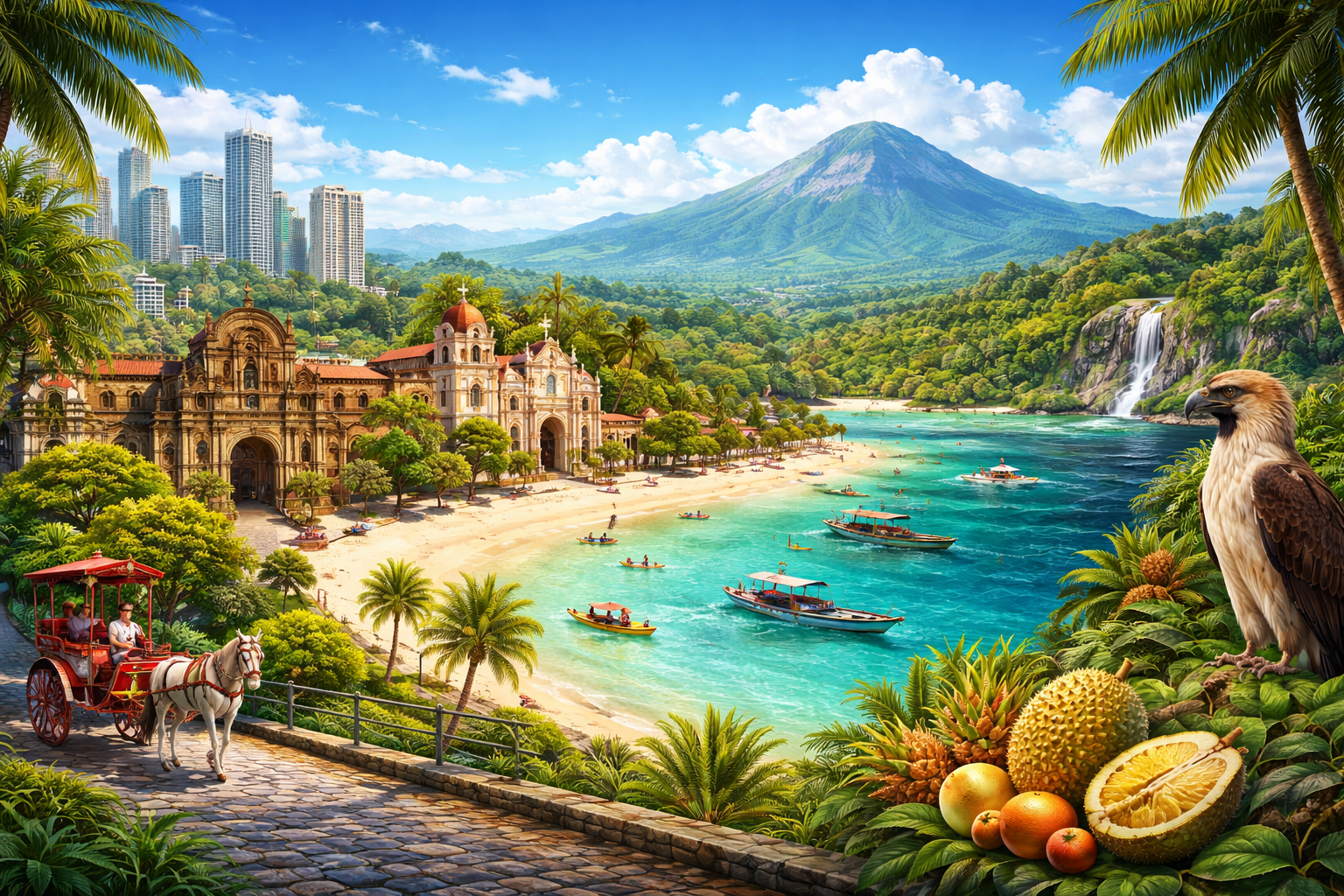
The Philippines, an archipelago made up of over 7,000 islands, is known for its rich cultural history, natural beauty, and warm hospitality. Among its many urban centers, Manila, Cebu, and Davao stand out as some of the most popular destinations for travelers. Each city offers unique experiences, from historical landmarks to modern attractions and diverse culinary delights. Here’s a detailed guide to exploring these bustling urban hubs in the Philippines.
Manila: A Blend of History and Modernity
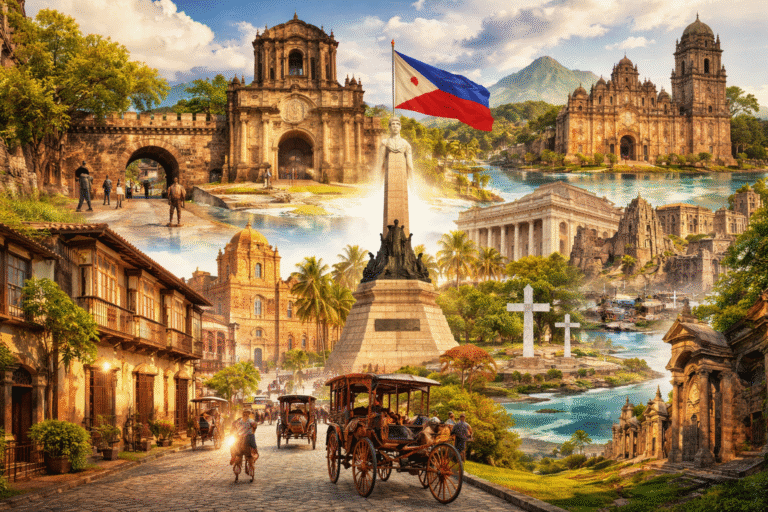
Manila, the capital city of the Philippines, is a vibrant blend of old-world charm and contemporary life. Visitors can start their exploration in the historic district of Intramuros, which is home to centuries-old churches, forts, and walls that tell the story of the Spanish colonial era. The San Agustin Church, a UNESCO World Heritage Site, and the Manila Cathedral are must-visit landmarks in this area. Fort Santiago, a former military prison, is another key historical site, offering a glimpse into the country’s tumultuous past.
For those interested in shopping and entertainment, Manila is a haven with sprawling malls such as SM Mall of Asia, one of the largest in the world. The Bonifacio Global City (BGC) offers a more modern, cosmopolitan experience with high-end shopping, dining, and entertainment options. Manila also boasts a vibrant nightlife scene, particularly in areas like Makati and Poblacion, where you can find everything from sophisticated bars to lively clubs.
Manila’s food scene is diverse, with everything from local street food to international cuisine. Don’t miss trying the iconic “lechon” (roast pig), “adobo” (marinated meat stew), and “halo-halo” (a refreshing dessert made with crushed ice, fruits, and sweet beans).
Cebu: The Queen City of the South
Cebu, known as the “Queen City of the South,” is one of the oldest cities in the Philippines and offers a perfect blend of history, culture, and natural beauty. Cebu City, the capital of Cebu Province, is home to historical landmarks such as Magellan’s Cross, which marks the arrival of Christianity in the Philippines, and the Basilica Minore del Santo Niño, which houses the oldest religious image in the country.
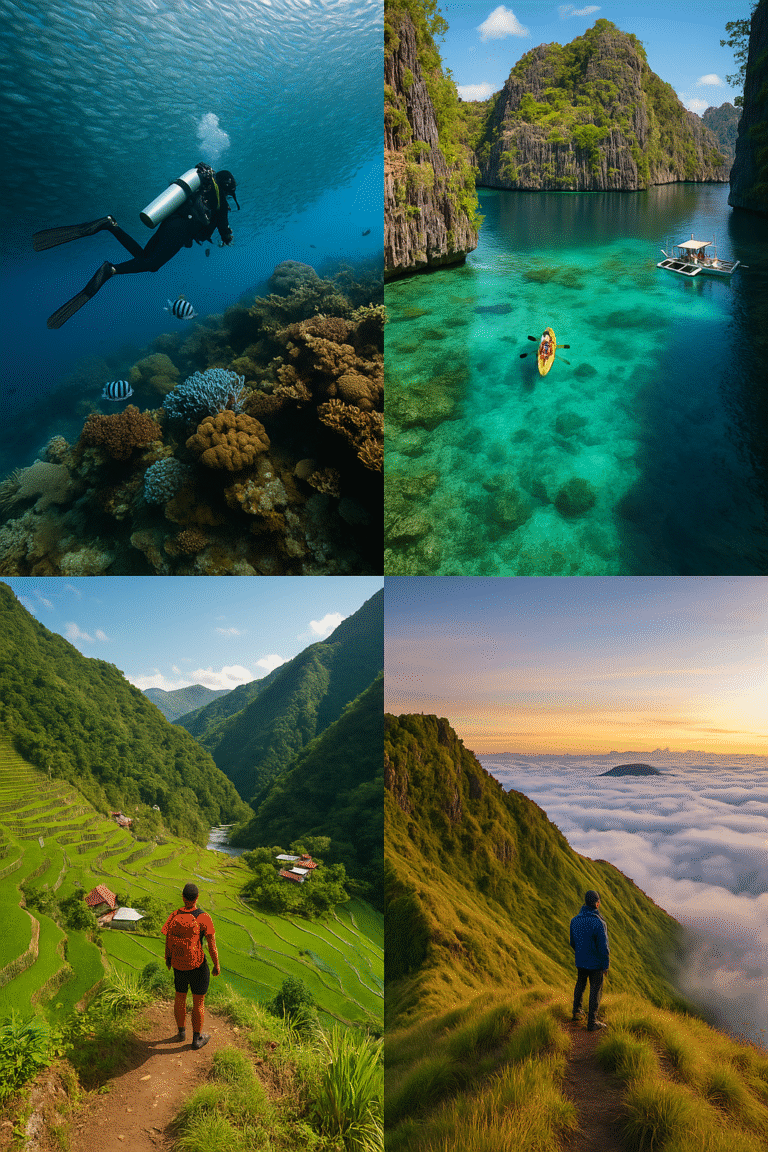
Cebu is also famous for its beautiful beaches, making it an ideal destination for those looking to relax by the sea. Mactan Island, just a short drive from Cebu City, is renowned for its luxurious resorts and world-class diving spots, such as the Mactan Island Marine Sanctuary. The nearby islands of Malapascua and Bantayan also offer pristine white-sand beaches and crystal-clear waters perfect for snorkeling and diving.
For adventure seekers, Cebu has plenty to offer as well. You can visit the stunning Kawasan Falls in Badian for a refreshing dip in its turquoise waters or take a canyoneering adventure. The province also offers opportunities for whale shark watching in Oslob, where you can swim with these gentle giants in their natural habitat.
Davao: A Haven for Nature Lovers
Davao, located in Mindanao, is a city known for its focus on eco-tourism and sustainable development. It’s the perfect destination for nature lovers, with numerous parks, mountains, and natural reserves to explore. Mount Apo, the highest peak in the Philippines, is located near Davao City and is a popular hiking spot for adventurers. The mountain offers spectacular views and a diverse range of flora and fauna, including the rare Philippine Eagle.
In Davao, visitors can also explore the Philippine Eagle Center, dedicated to the conservation of the country’s national bird. The center offers educational programs and guided tours, allowing you to learn about the conservation efforts for this majestic species.
The city is also home to several parks, such as the Eden Nature Park, where you can enjoy outdoor activities like hiking, zip-lining, and fishing. The Davao Crocodile Park, another popular attraction, allows visitors to learn about wildlife conservation and see various species of crocodiles and other animals.
For those interested in shopping, Davao has a burgeoning food scene with plenty of local markets offering fresh fruits, vegetables, and exotic delicacies like durian, the city’s most famous fruit. The city is also known for its diverse cultural heritage, which can be explored through festivals, such as the Kadayawan Festival, held every August to celebrate the rich cultural traditions of Davao.
Whether you’re looking for history, adventure, or nature, Manila, Cebu, and Davao provide a wide range of experiences that cater to every type of traveler.
About the Author