Environmental health in the Philippines is closely tied to the country’s rapid urban growth, geographic vulnerability, and uneven access to basic services. As an archipelagic nation with a large population spread across urban centers, coastal communities, and rural islands, the Philippines faces environmental risks that directly affect public health. Problems such as polluted air, unsafe water, poor sanitation, unmanaged waste, and climate-related disasters continue to place pressure on households and health systems.
One of the most serious concerns is air pollution, especially in major cities like Metro Manila, Cebu, and Davao. Heavy traffic, industrial activities, open burning, and emissions from older vehicles increase the concentration of harmful particles in the air. These pollutants can worsen asthma, bronchitis, heart disease, and other respiratory conditions. Children, older adults, and people with pre-existing health problems are especially vulnerable. In low-income communities located near highways, ports, or factories, long-term exposure to poor air quality often becomes part of daily life.
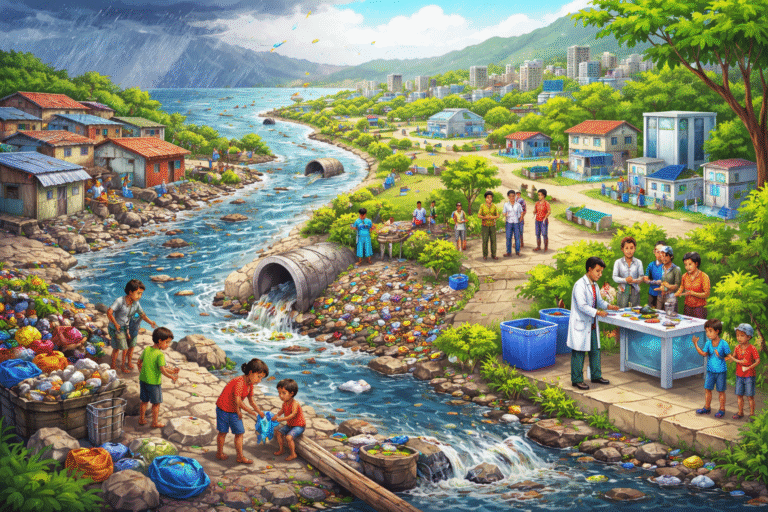
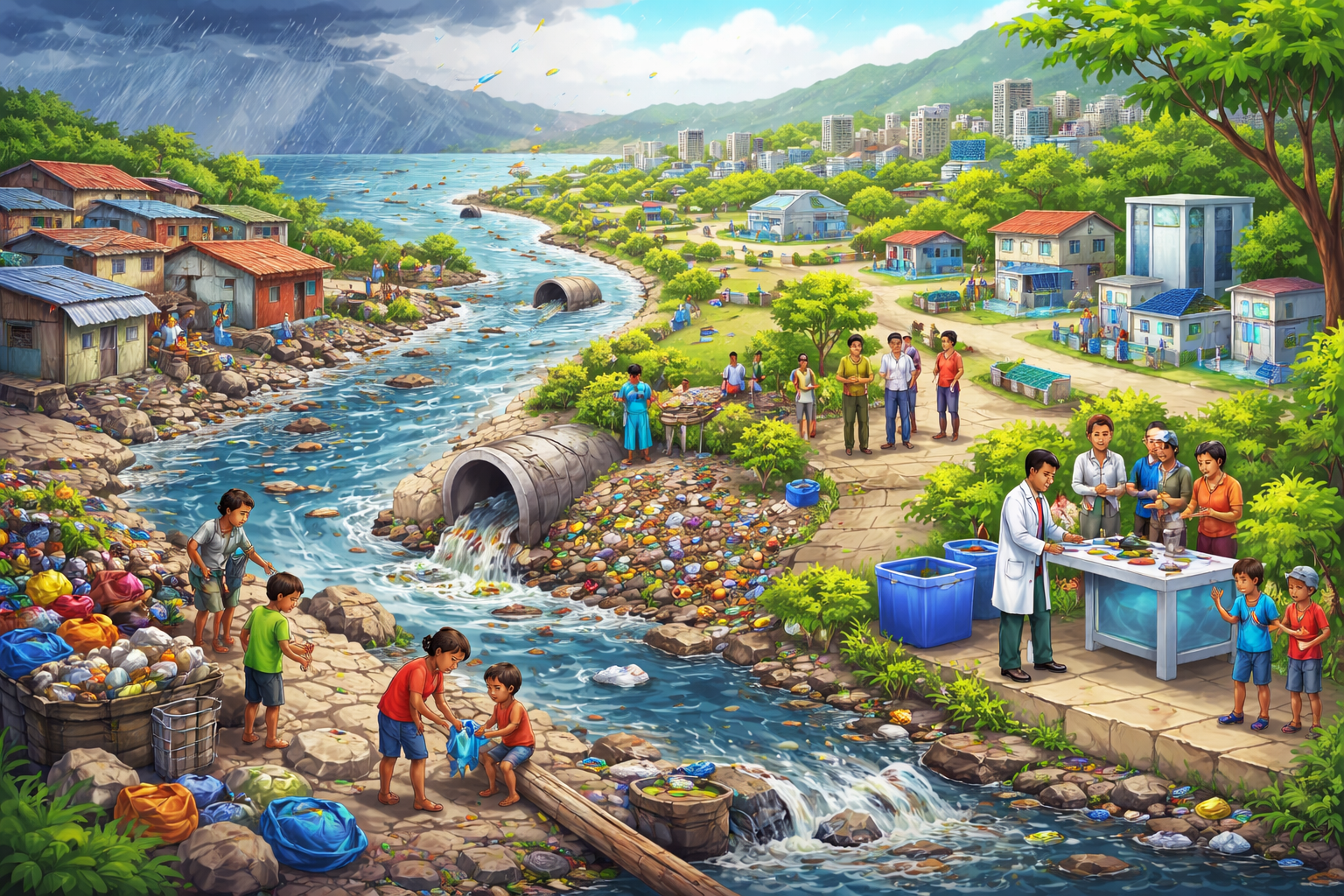
Water quality is another major environmental health issue. Many communities still struggle with unreliable access to clean and safe drinking water. Contamination can come from untreated sewage, leaking septic systems, industrial discharge, agricultural runoff, and improper disposal of household waste. In flood-prone areas, polluted water can spread quickly and increase the risk of diarrhea, cholera, skin infections, and other waterborne diseases. Informal settlements often face the highest exposure because drainage systems are weak and sanitation facilities are limited.
Solid waste management remains a persistent challenge across the country. Plastic waste is especially visible in waterways, shorelines, and urban neighborhoods. When garbage is not properly collected or segregated, it often ends up in rivers and esteros, blocking drainage and increasing flood risk. Open dumping and burning also create additional health dangers by releasing toxic smoke and attracting pests such as rats and mosquitoes. These conditions contribute to infections, vector-borne illness, and unsafe living environments.
Climate change has intensified many existing environmental health threats. The Philippines is frequently hit by typhoons, storm surges, floods, droughts, and extreme heat. These events damage homes, contaminate water sources, disrupt healthcare access, and displace communities. After disasters, crowded evacuation centers and damaged sanitation facilities can increase the spread of communicable diseases. Rising temperatures also favor mosquito breeding, which may increase cases of dengue and other vector-related illnesses in some areas.
Despite these difficulties, many practical solutions are available. Stronger enforcement of environmental laws is essential, particularly in air and water regulation, land use, and industrial compliance. Local governments can improve community health by expanding waste segregation, investing in sanitary landfills, strengthening wastewater systems, and supporting materials recovery facilities. Better public transportation and cleaner fuel standards can help reduce urban air pollution.
Community education is equally important. Public awareness campaigns can encourage households to practice proper waste disposal, reduce plastic use, boil or filter unsafe water, and eliminate stagnant water where mosquitoes breed. Schools, barangays, and health workers can play a major role in promoting environmental responsibility and preventive health behavior.
Long-term progress also depends on climate resilience. Flood control, early warning systems, mangrove protection, climate-smart urban planning, and stronger health emergency preparedness can reduce both environmental damage and disease risks. In the Philippines, environmental health is not only about nature protection; it is also about protecting lives, livelihoods, and the well-being of future generations.
About the Author