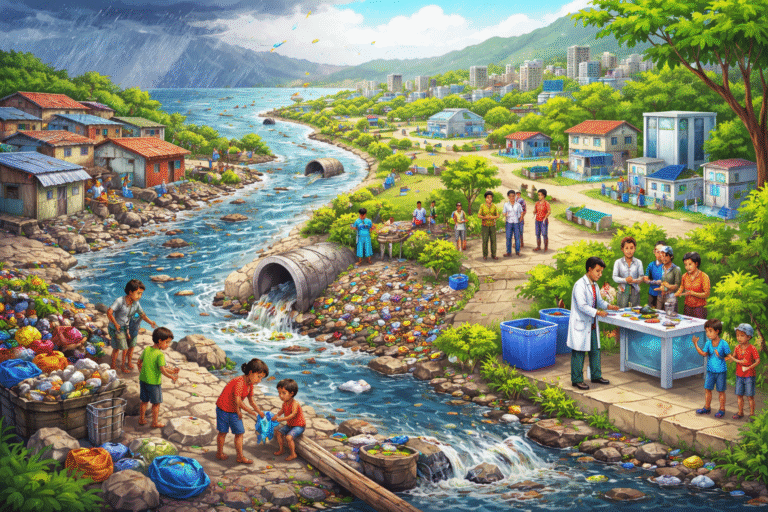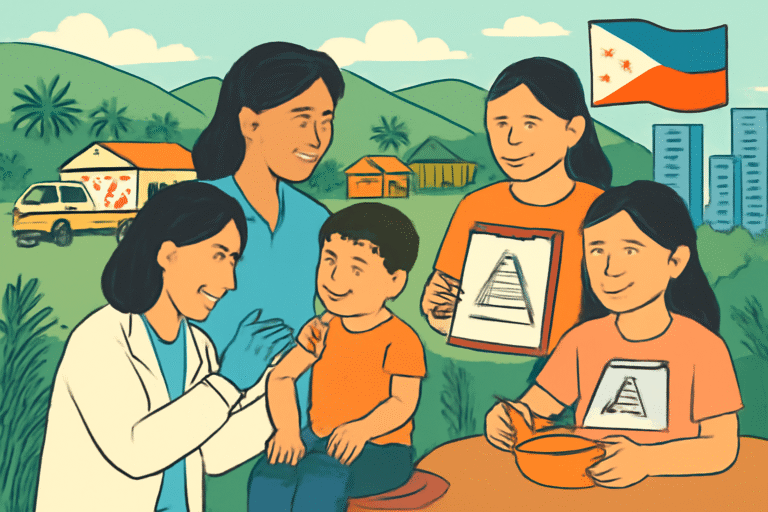
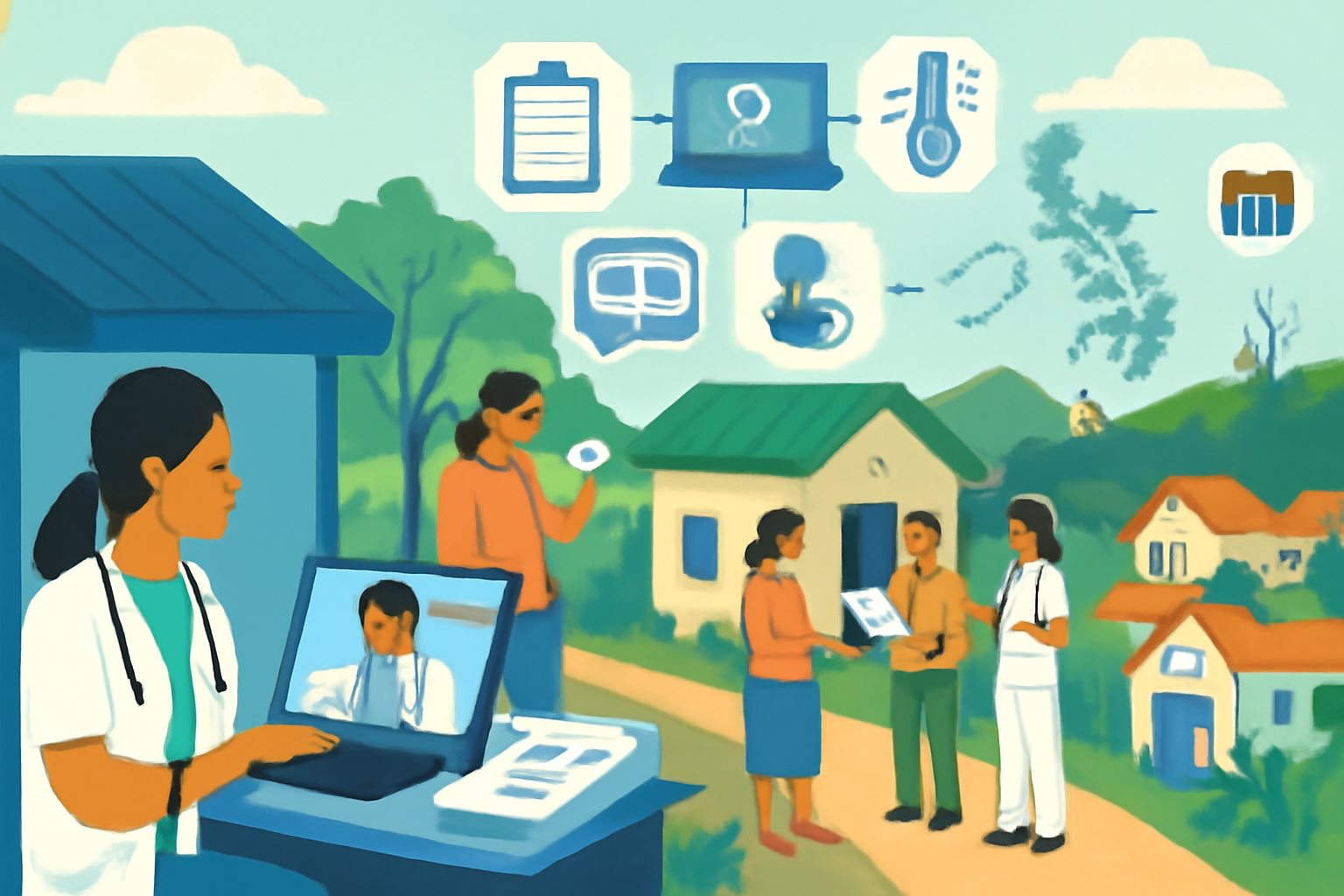
As an archipelago of more than 7,000 islands, the Philippines faces natural barriers to healthcare access. Technology has become a practical bridge—lowering distance, cost, and time to care—by blending telemedicine, mobile tools, and data systems into the public health fabric.
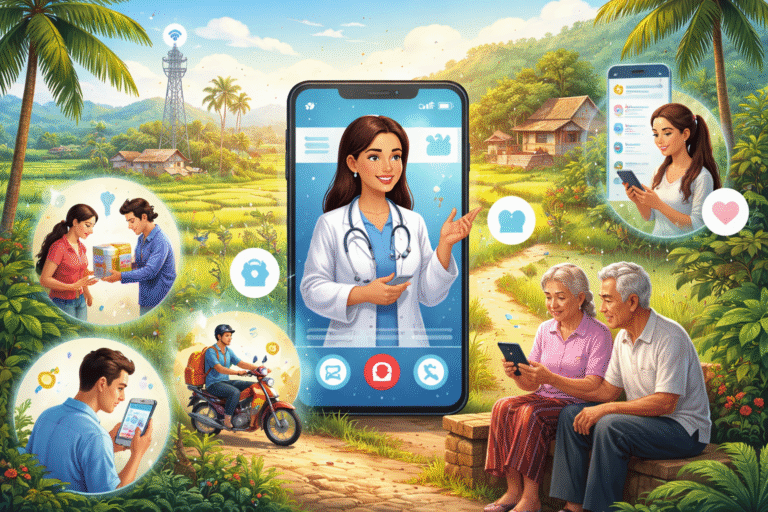
Telemedicine is one of the most visible shifts. Video consultations allow patients in geographically isolated and disadvantaged areas to speak with licensed physicians without leaving their communities. This reduces travel expenses and lost income, and helps rural clinics escalate complex cases to specialists at provincial or national hospitals. As bandwidth improves, remote diagnostics—such as digital stethoscopes, otoscopes, and portable ultrasound devices—are increasingly bundled into telehealth visits, turning screen time into clinical value.
Mobile health (mHealth) reinforces primary care. Barangay health workers can use smartphones or tablets to register patients, capture vitals, and follow standardized checklists for maternal health, child growth monitoring, or tuberculosis screening. SMS reminders prompt expectant mothers to attend prenatal checkups or parents to complete immunization schedules. For communities with limited digital literacy, text-based nudges and voice hotlines keep things simple yet effective.
Electronic medical records (EMRs) support continuity of care. When facilities adopt interoperable EMRs, patient histories follow them across referrals, reducing duplicate tests and medication errors. Data standards aligned with FHIR help integrate laboratory results and imaging, while dashboards guide municipal or provincial health offices to allocate resources more intelligently—for example, identifying barangays with rising dengue alerts or low vaccination uptake.
Artificial intelligence adds decision support. Triage chatbots can direct users to urgent care or home management, easing pressure on overwhelmed hotlines. Computer vision aids tuberculosis detection in chest X-rays; risk-scoring models flag high-risk pregnancies for closer follow-up. While AI tools are not replacements for clinicians, they extend capacity and promote earlier intervention.
Supply-chain technology has also made a difference. Barcode tracking and IoT temperature sensors monitor vaccine cold chains, minimizing spoilage in tropical conditions. Inventory management systems prevent stockouts of essential medicines by providing real-time visibility across warehouses and rural pharmacies.
The policy environment matters. Initiatives linked to universal health coverage and digital transformation encourage standardization, privacy-by-design, and equitable access. The Data Privacy Act of 2012 anchors patient confidentiality, while cybersecurity guidelines and routine audits are becoming standard practice in hospitals that digitize.
Challenges persist. Connectivity remains uneven, especially in mountainous or typhoon-prone regions. Upfront costs for devices and software can strain local budgets, and digital literacy gaps affect both providers and patients. Interoperability is still a work in progress; siloed systems undermine the promise of longitudinal care. Sustainable financing and clear reimbursement models for telemedicine are essential to mainstream these services beyond pilots.
Even with these hurdles, progress is tangible. The combination of telehealth, mHealth, EMRs, and AI is reshaping the care pathway—from first contact to referral and follow-up. By targeting the Philippines’ unique geography with tools tailored for low-resource environments, technology is turning distance into a solvable design problem and bringing timely, quality care closer to the people who need it most.
About the Author