The Philippines, with its vibrant culture and natural resources, provides many opportunities for Filipinos to maintain a healthy lifestyle. With proper nutrition and regular exercise, Filipinos can combat the rise in lifestyle-related health problems and work toward improving their overall health.
Filipino Diet: A Mix of Tradition and Health
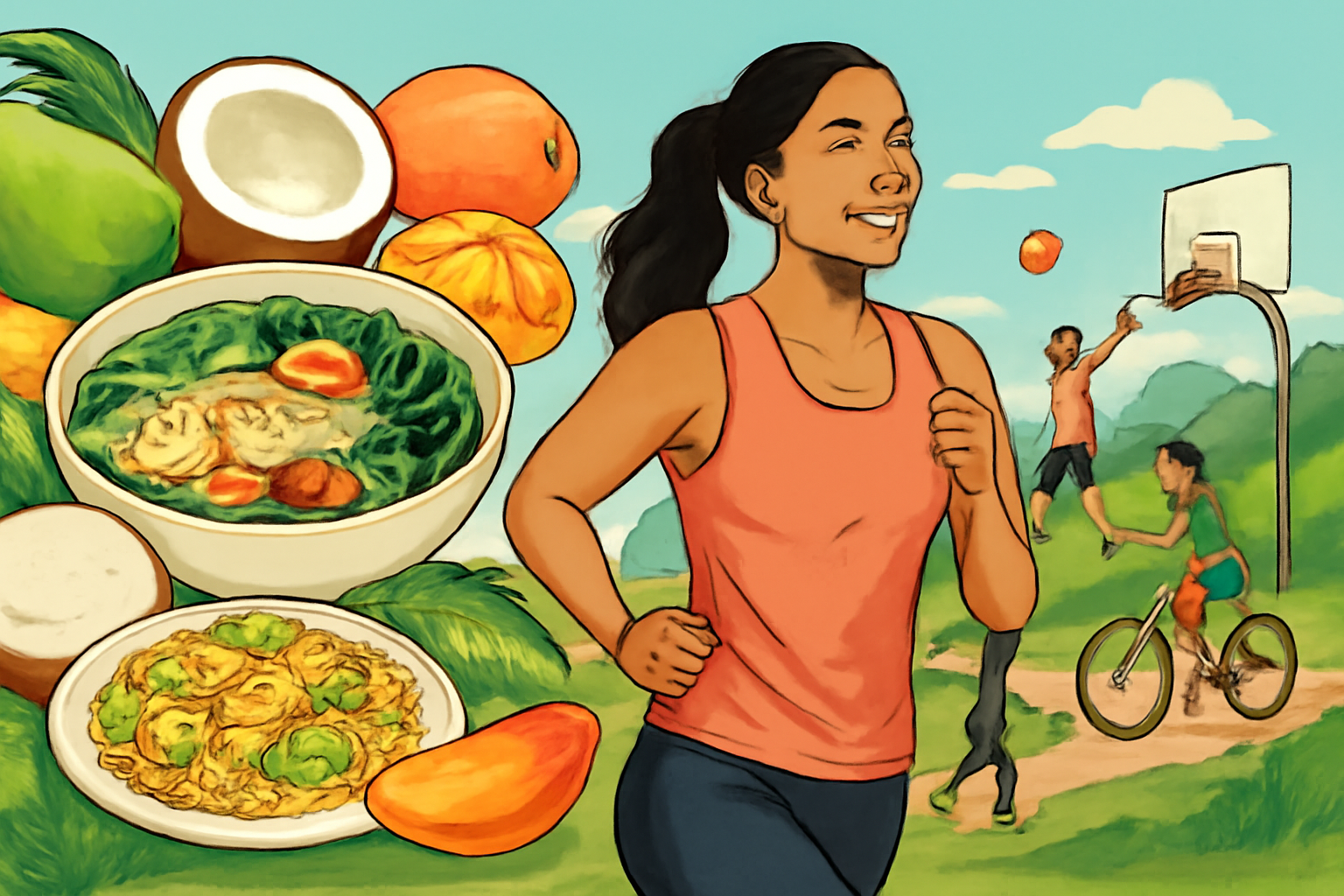
A healthy Filipino diet begins with the country’s abundant natural ingredients. Traditional Filipino dishes incorporate lean meats, vegetables, and seafood, offering a balance of protein, healthy fats, and essential nutrients. Dishes like sinigang and pancit often feature nutrient-dense vegetables such as kangkong (water spinach) and eggplant, while fish like bangus (milkfish) and tilapia provide high-quality protein.
Another standout feature of Filipino cuisine is the use of coconut. Coconut milk, used in dishes like ginataang (coconut-based dishes), provides a healthy fat source that’s beneficial for heart health. Tropical fruits like coconut, mangoes, bananas, and pineapples are also commonly consumed, offering high fiber and antioxidants that help with digestion and boosting immunity.
Despite these healthy options, modern eating habits have shifted towards fast food and convenience foods that are often high in sugars, unhealthy fats, and refined carbohydrates. Dishes like hamburger or fried chicken may seem appealing, but overconsumption can lead to weight gain and metabolic diseases. To maintain a healthy lifestyle, it’s crucial for Filipinos to reduce their intake of processed foods and focus on home-cooked meals made with fresh ingredients.
The Importance of Physical Activity
Exercise is essential for a well-rounded approach to health. Filipinos traditionally enjoy physical activities that don’t require much equipment or expense. Sports like basketball, badminton, and volleyball are popular, and they also serve as social activities, making it easier to stay motivated and consistent.
Jogging or walking is another great form of exercise, especially in local communities where people often walk to nearby markets or public spaces. In urban areas, gyms and fitness centers are becoming more common, offering everything from strength training to group fitness classes like zumba or pilates.
In addition to these activities, hiking and biking are great options for fitness enthusiasts who prefer outdoor adventures. The Philippines’ diverse landscape, including mountains and beaches, provides the perfect backdrop for outdoor physical activity, which can improve endurance and cardiovascular health.
Conclusion
A healthy lifestyle in the Philippines involves making mindful dietary choices and engaging in regular physical activity. By embracing the variety of nutritious, fresh foods available in the country and incorporating more exercise into daily routines, Filipinos can work toward a healthier future. Combining these habits can help improve overall health, reduce the risk of chronic diseases, and enhance the quality of life for people of all ages.
About the Author