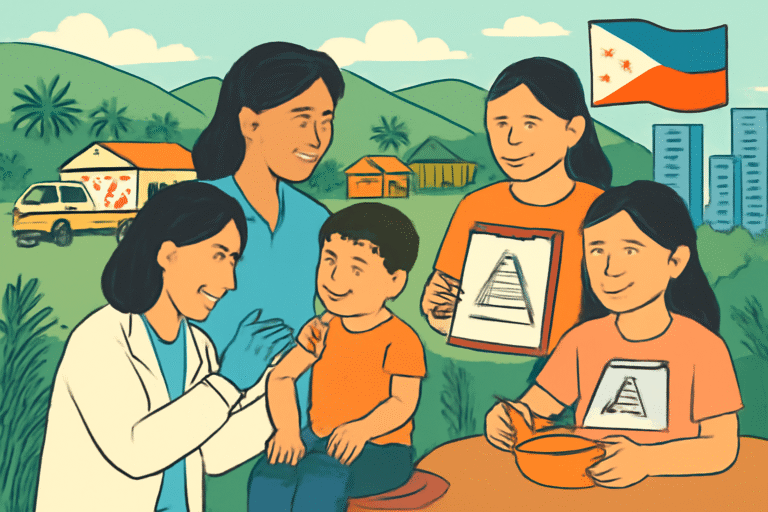
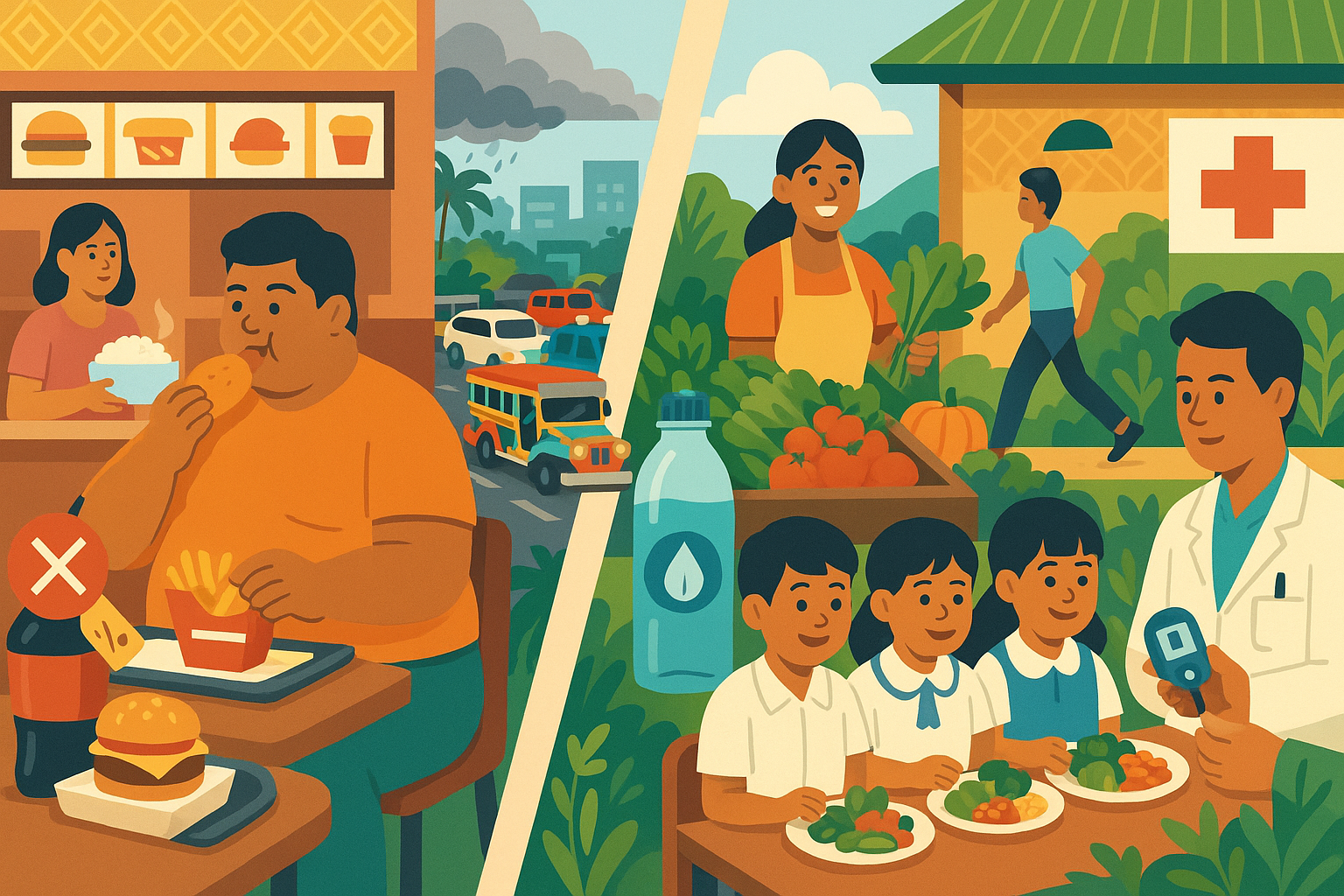
Obesity and diabetes in the Philippines are rising in tandem, driven by rapid urbanization, shifts in diet, and constrained opportunities for movement. Addressing these twin challenges requires a systems approach that reaches far beyond the clinic, linking homes, schools, workplaces, local governments, and national policy.
On the clinical side, early detection remains the most cost-effective tool. Barangay health units can scale routine screening of body mass index (BMI), waist circumference, blood pressure, and fasting glucose, while promoting regular HbA1c testing for those at risk. Task-shifting—empowering nurses and community health workers with standardized algorithms—expands reach without compromising quality. Counselling should move from one-off lectures to brief, frequent, culturally grounded nudges: swapping sugary drinks for water, choosing smaller rice portions, prioritizing vegetables, and understanding food labels.
Dietary patterns are central. A rice-heavy plate, energy-dense snacks, and sugar-sweetened beverages can drive weight gain and insulin resistance. Practical alternatives include brown or mixed rice, high-fiber sides (munggo, leafy greens), fish, tofu, and fruit in moderation. Meal timing matters too; consistent eating windows support glycemic stability. Cooking methods—grilling, steaming, and stewing instead of deep-frying—make a difference without sacrificing flavor. For celebrations, rebalancing the table—lean protein, vegetable-forward dishes, and smaller portions of lechon or rich desserts—preserves tradition while moderating risk.
Physical activity interventions work best when they meet daily realities. In dense cities, safe sidewalks, shade, and traffic calming encourage walking. In schools, daily movement breaks and active play set early habits. For adults, ten-minute “movement snacks” throughout the day—stairs, brisk walks to jeepney stops, light bodyweight routines—accumulate into meaningful change. Employers can support with flexible breaks, step challenges, and secure bike parking. In coastal and rural areas, active livelihoods can be complemented by posture-friendly techniques and stretching to prevent musculoskeletal barriers to exercise.
Policy levers multiply impact. The sugar-sweetened beverage tax, if paired with nutrition education and access to clean drinking water, can reduce intake. Clear, front-of-pack labels help shoppers spot added sugars and refined carbohydrates quickly. School canteen standards that limit ultra-processed snacks and prioritize water and whole foods protect children. Public procurement policies for hospitals, prisons, and government facilities can shift demand toward healthier staples. Local governments can integrate health into zoning, privileging markets with fresh produce, parks, and safe routes.
Health equity must be explicit. Lower-income households face food deserts, long commutes, and intermittent access to care. Solutions include mobile clinics, subsidized chronic disease medications, farmers’ markets that accept digital vouchers, and community kitchens that teach budget-friendly, diabetic-friendly recipes. Typhoons and supply disruptions raise prices; emergency nutrition plans can maintain access to staples like legumes and canned fish with low sodium options.
Digital tools add reach: SMS reminders for medications, telehealth for nutrition consults, and culturally tailored apps in Filipino and regional languages that track steps, glucose, and meals. Data governance must protect privacy while enabling population-level insights.
Ultimately, progress is cumulative. When families adjust plate portions, schools rework menus, cities reshape streets, and clinics normalize screening, the environment shifts from obesogenic to health-promoting. In that landscape, personal responsibility is supported by public responsibility—making the healthy choice the easier, cheaper, and more rewarding choice.
About the Author