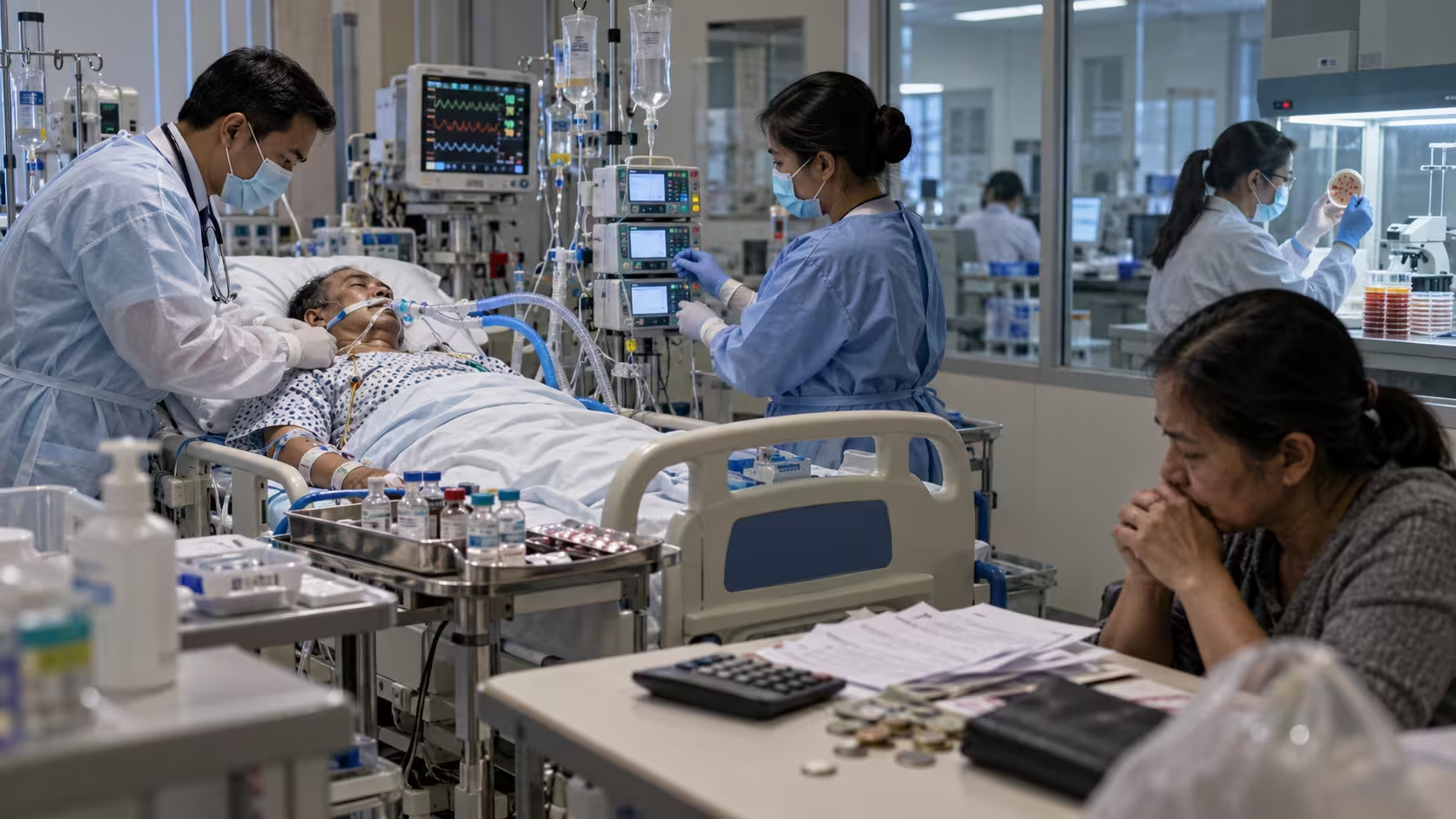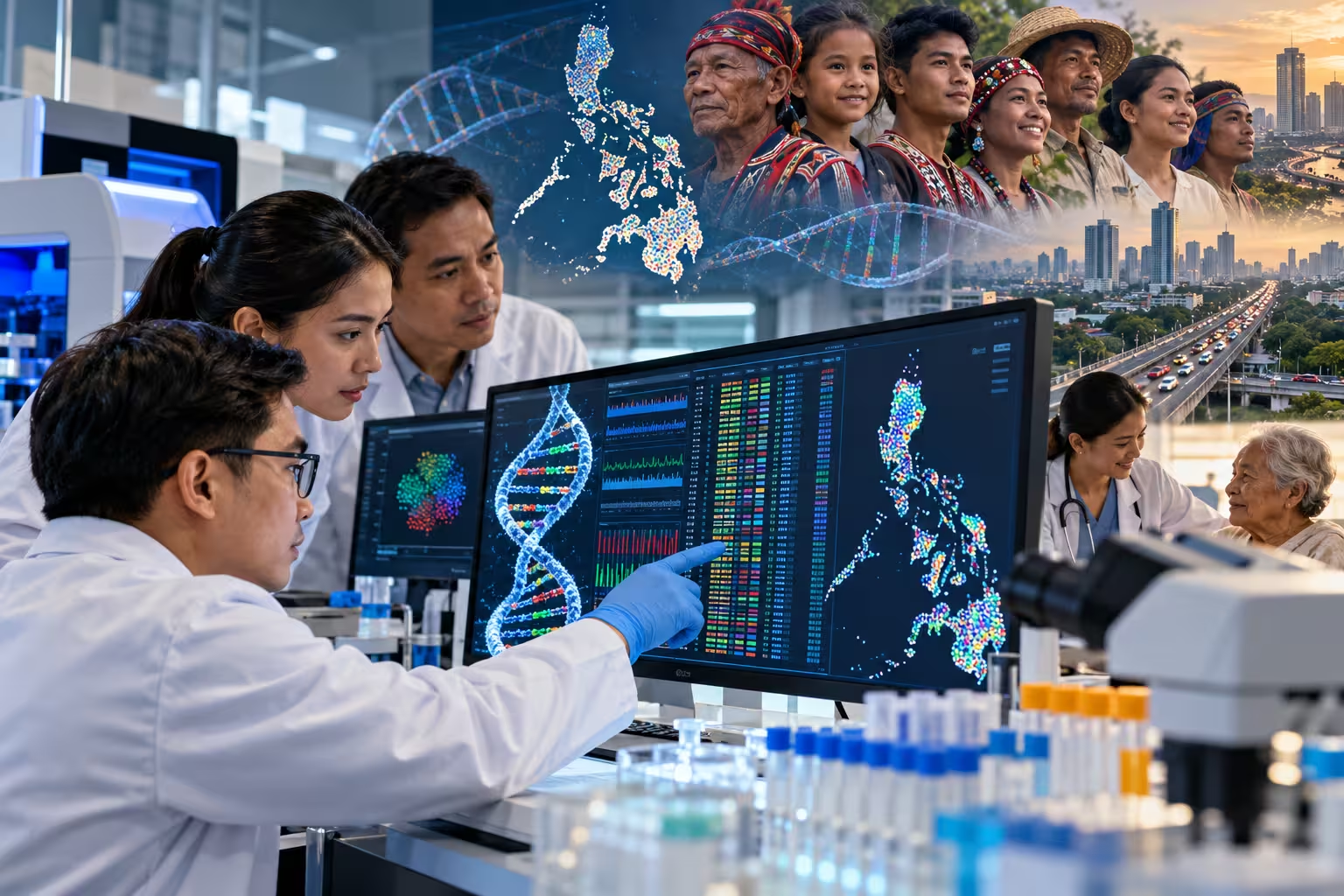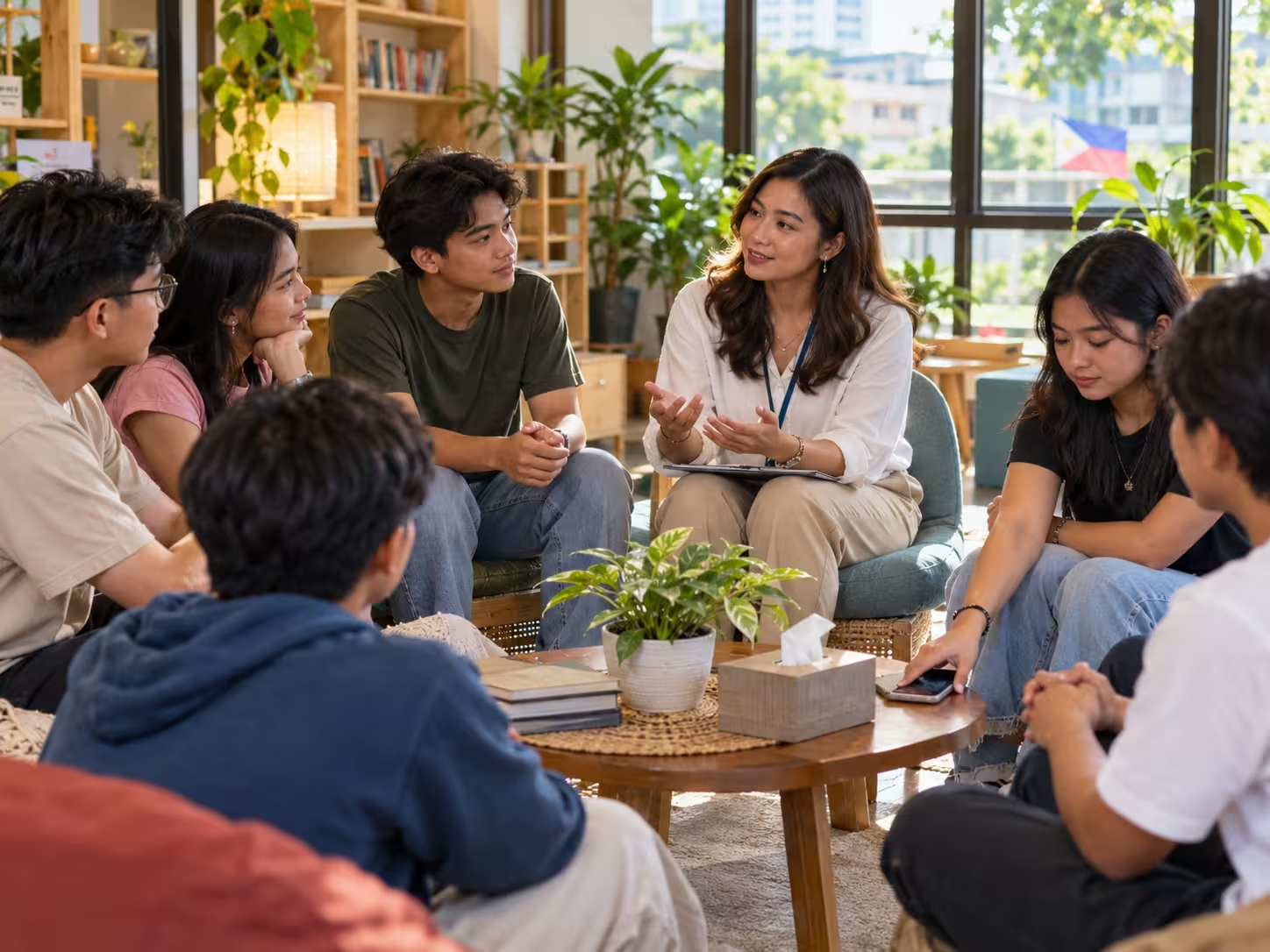
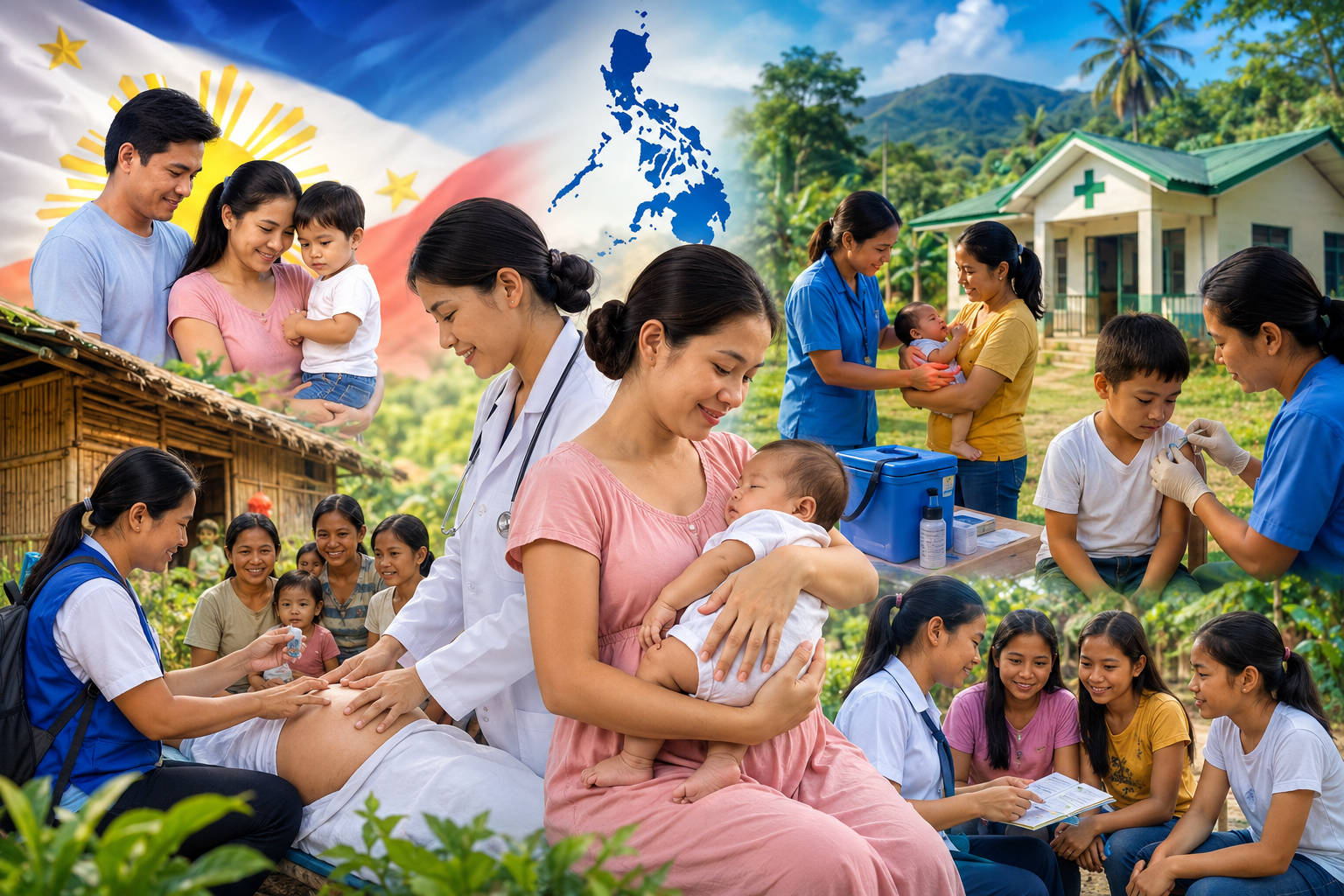
In the Philippines, maternal and child health remains a priority for both the government and non-governmental organizations (NGOs). Despite notable progress in healthcare over the past decades, challenges like high maternal mortality rates and limited access to healthcare in rural areas continue to affect many Filipino families. The government, through various programs, has been working tirelessly to improve these conditions and ensure that both mothers and children receive the necessary healthcare services.
The Philippine government has implemented the Universal Health Care Act (UHC) in 2019 to enhance access to medical services across the country. This act expands healthcare services to all Filipinos, focusing on preventive healthcare, early detection of diseases, and maternal and child health. Under the UHC, maternal care is prioritized, and comprehensive maternal health services are made available, including prenatal care, safe childbirth, and postnatal services.
Furthermore, the Philippine Health Insurance Corporation (PhilHealth) provides financial assistance to families, especially those in marginalized sectors. The coverage includes prenatal care, delivery, postnatal check-ups, and vaccinations for children. By subsidizing medical costs, PhilHealth reduces financial barriers, allowing more mothers and children to access the care they need.
In addition to government programs, many NGOs in the Philippines play a crucial role in addressing maternal and child health challenges. Organizations like Philippine Business for Social Progress (PBSP) and Save the Children Philippines implement projects in underserved areas. These NGOs focus on providing healthcare services, nutrition programs, education on maternal and child health, and community-based initiatives that empower local families to take control of their health.
One notable initiative by NGOs is the Barangay Health Worker Program, which trains individuals in rural communities to provide basic health services. This program ensures that even in remote areas, families can access vital healthcare services, including immunization and maternal health education. Through these combined efforts, the Philippines is slowly bridging the gap in healthcare access and improving health outcomes for mothers and children.
Despite these advancements, there are still areas that need improvement. Rural and indigenous communities, in particular, continue to face significant barriers such as limited transportation, lack of trained healthcare professionals, and cultural beliefs that hinder the use of modern medical services. Tackling these issues requires continuous efforts from the government, healthcare providers, and NGOs to ensure that every Filipino, regardless of their location, can benefit from quality healthcare.
About the Author