The Philippines has a long and rich history of textile-making, which reflects its cultural diversity and creative artistry. Filipino textiles are known for their unique designs, vibrant colors, and the intricate techniques involved in their creation. This tradition, which spans centuries, continues to be an important part of Filipino culture, with handwoven fabrics, indigenous materials, and artisanal craftsmanship playing a significant role in modern Filipino fashion.
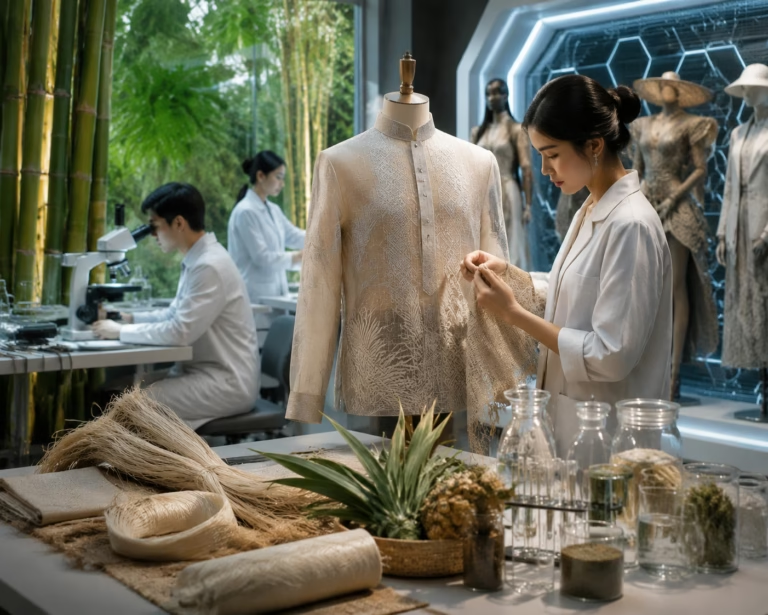
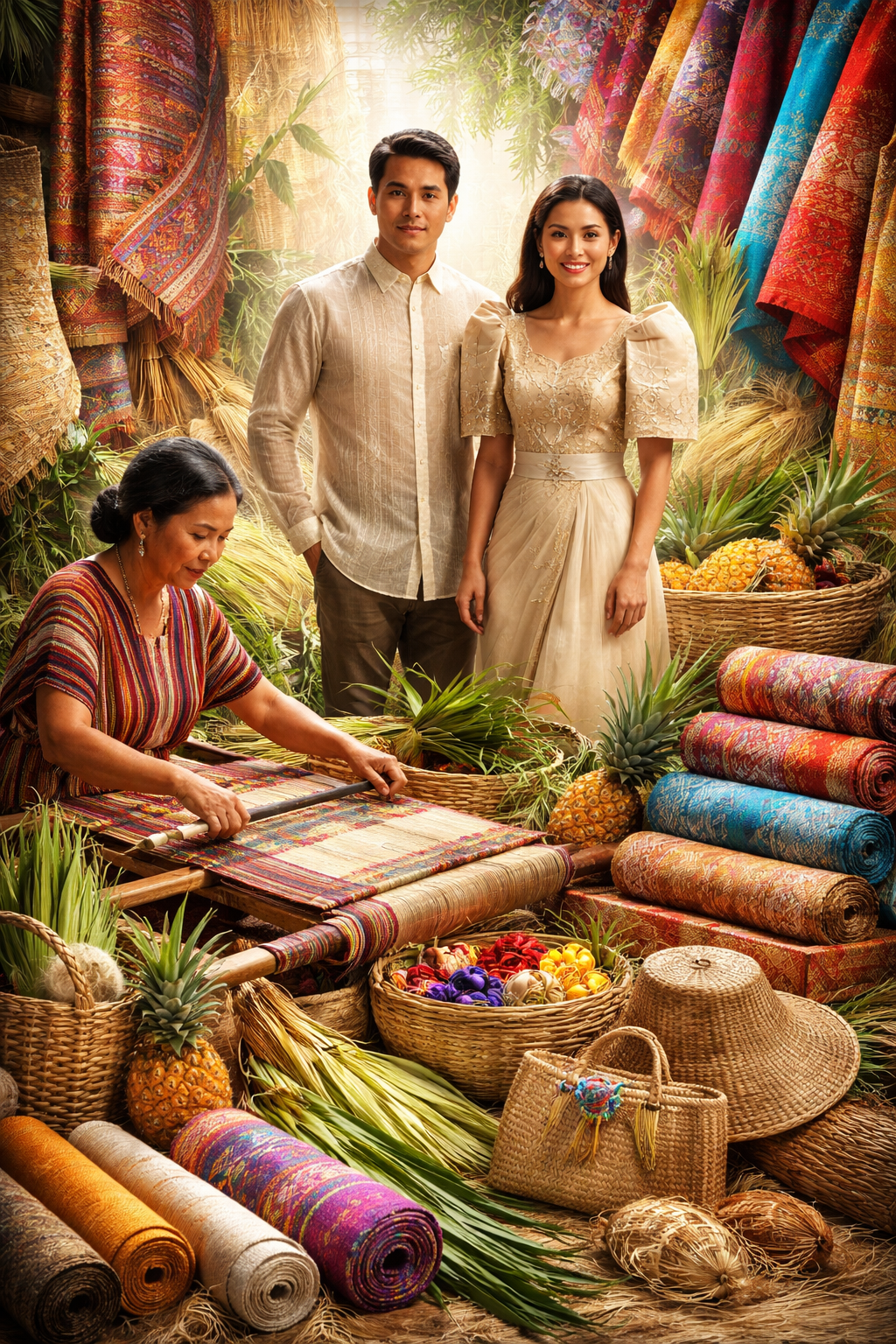
At the heart of Filipino textiles is the art of weaving. Filipino weavers use various natural fibers such as abaca, pineapple fiber (piña), silk, and cotton. These fibers are carefully harvested, processed, and transformed into beautiful, functional fabrics. Abaca, a type of banana plant, is often used to create sturdy and durable materials, while piña is valued for its delicate texture and semi-translucent qualities, making it ideal for formal wear and ceremonial garments.
The weaving tradition is particularly strong in indigenous communities across the Philippines. The Igorot people in the northern Cordillera mountains are renowned for their skillful weaving of intricate patterns using abaca, which is then used to make traditional garments like the “wanes” or “inabel.” These garments are often worn during festivals or important cultural events. Similarly, the Visayan region, known for the production of piña fabric, produces some of the most exquisite textiles, often featured in bridal wear, traditional Filipino attire, and high-fashion collections.
Moreover, the practice of hand-weaving also involves the transmission of cultural knowledge from one generation to the next. Weaving is often passed down through families and communities, where elders teach younger generations the techniques and symbolism embedded in the designs. Each design pattern carries a specific meaning, representing everything from family history to natural elements like the sun, sea, and mountains.
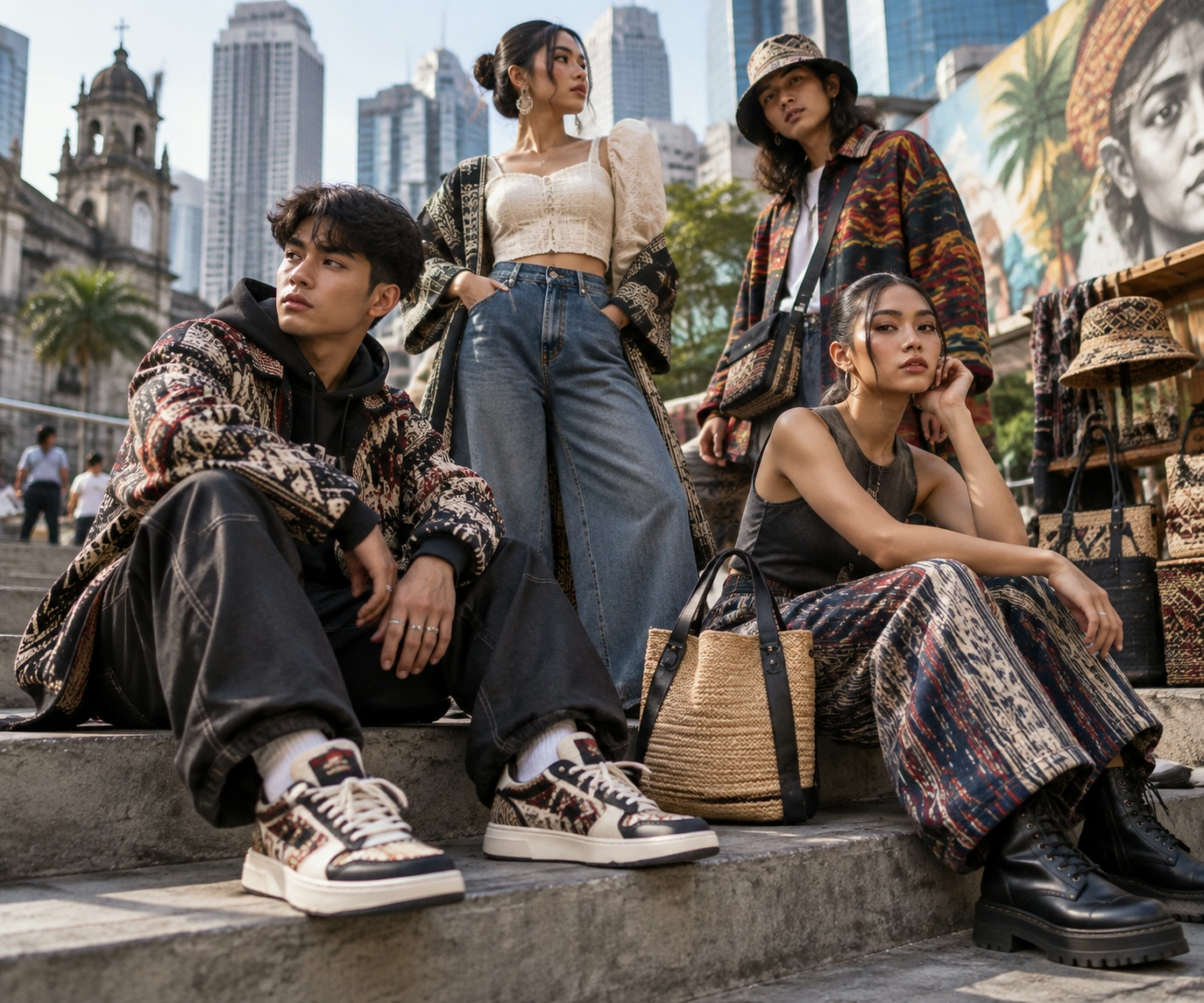
In recent years, Filipino designers have embraced these indigenous textiles in their modern collections, bridging the gap between tradition and contemporary fashion. Designers such as Rajo Laurel, Veejay Floresca, and Francis Libiran have successfully incorporated local handwoven fabrics into their couture lines, showcasing the global potential of Filipino textiles. They have reinterpreted traditional garments such as the barong Tagalog and terno, infusing them with fresh and innovative twists while honoring the craftsmanship of Filipino artisans.
Filipino textiles are not only used in clothing but also in accessories, home décor, and other products. From woven bags to intricately designed rugs, the artisanal craftsmanship seen in Filipino textiles is gaining recognition worldwide. By supporting these local industries, consumers are contributing to the preservation and growth of this ancient tradition, helping to sustain local communities and empower artisans.
The combination of indigenous materials, skilled craftsmanship, and modern design principles makes Filipino textiles a truly unique cultural treasure. Through the continued appreciation and promotion of these traditional fabrics, the Philippines can continue to celebrate its rich heritage while showcasing its innovative contributions to the global fashion industry.
About the Author