E-sports in the Philippines has grown from a niche pastime in cramped internet cafés into a significant force in the country’s entertainment landscape. What was once seen as just “kids playing games” has transformed into organized tournaments, celebrity players, and broadcasts that attract millions of views online. This evolution reflects not only technological progress, but also a shift in how Filipinos define leisure, competition, and even career choices.
In the early 2000s, Filipino gamers flocked to neighborhood computer shops to play titles like Dota, Counter-Strike, and Ragnarok Online. These venues became informal arenas where local legends were born. Small, prize-pool tournaments created a culture of competition long before the term “e-sports” became widely used. With the rollout of faster internet and affordable smartphones, this culture migrated from PC shops to living rooms and mobile screens, opening the door to titles like Mobile Legends: Bang Bang, League of Legends: Wild Rift, and Call of Duty: Mobile.
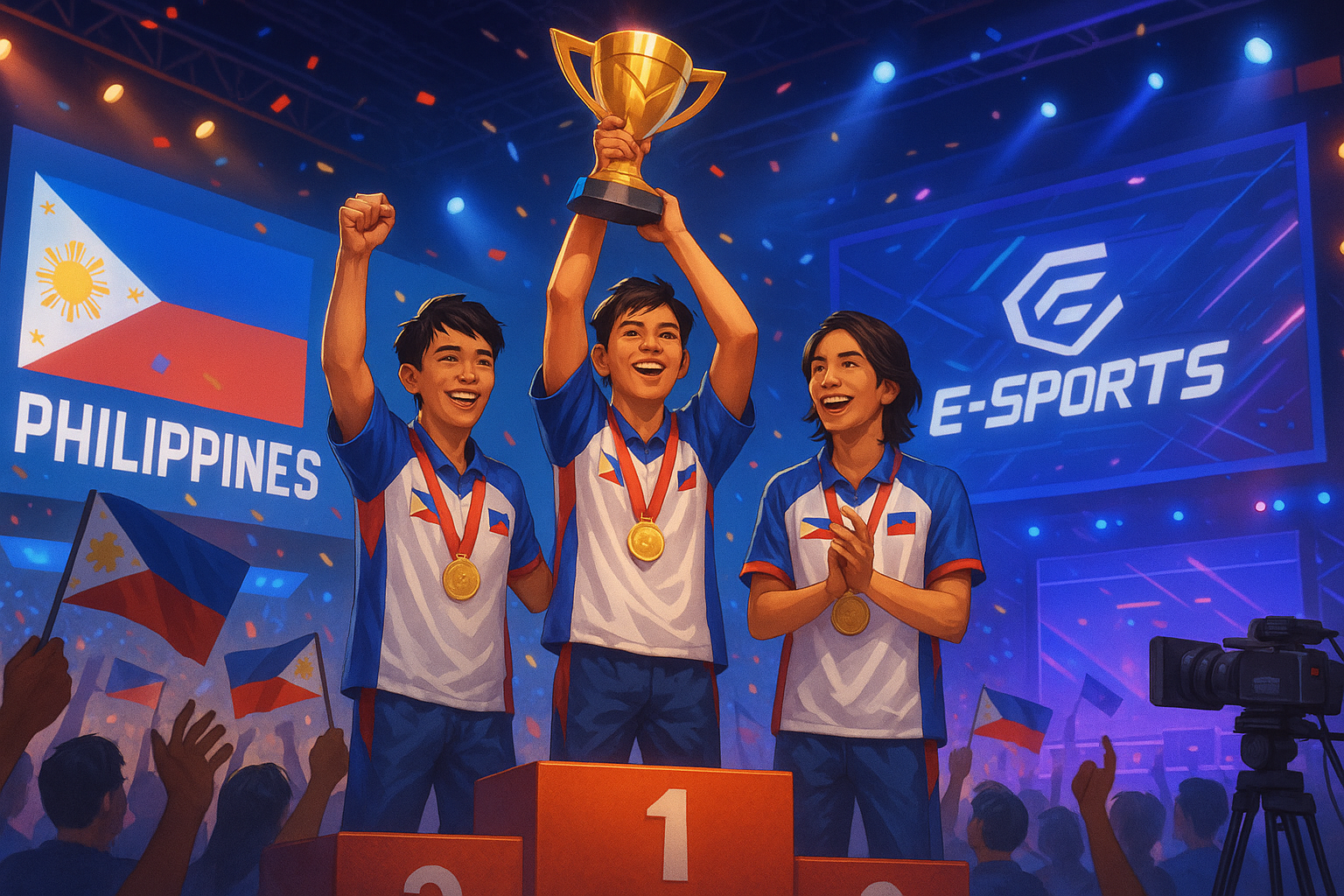
The real breakthrough came when local organizations started professionalizing the scene. Gaming squads formed under brand-backed organizations, complete with coaches, analysts, and training schedules. Leagues and franchised tournaments offered stable series of competitions instead of sporadic events. Filipino teams began competing not only locally but also across Southeast Asia and on global stages, bringing home titles and drawing mainstream media attention.
This rapid growth has heavily impacted the entertainment industry. Streaming platforms and social media now host live broadcasts of tournaments, complete with play-by-play casters and post-game analysis. Filipino shoutcasters and hosts have become influencers in their own right, blending sports commentary with pop culture, humor, and local slang. Viewers tune in not only to see who wins, but to enjoy the personalities, storylines, and drama that unfold.
Brands and advertisers have noticed this shift. Sponsorships, endorsements, and commercial tie-ins are now common. Telcos, food chains, energy drink companies, and tech brands partner with teams and leagues to reach the coveted young, digital-native audience. E-sports events have evolved into multimedia shows with lights, music, cosplay segments, and fan activities, turning competitions into full-scale entertainment experiences.
The social impact is significant as well. E-sports has given many Filipino youth a sense of community and identity. Fans support their favorite teams with the same passion seen in traditional sports, creating fan clubs, online communities, and meme cultures. It has also given rise to new career paths: professional player, coach, analyst, streamer, event organizer, graphic designer, and social media manager, among others.
Yet, the industry faces challenges. There are concerns about player burnout, short career spans, and unstable incomes for those outside the top tier. Not all organizations provide proper contracts, health support, or mental health resources. Some parents still struggle to accept gaming as a legitimate pursuit, especially when educational or financial stability is at stake.
Despite these obstacles, e-sports in the Philippines continues to integrate more deeply into mainstream entertainment. Television networks experiment with coverage, while schools and universities explore varsity teams and scholastic leagues. As technology advances and audiences grow more digital, e-sports is likely to remain a central pillar of Filipino entertainment, standing alongside music, film, and traditional sports as a powerful way people gather, cheer, and dream.
About the Author