Rice is undeniably the cornerstone of Filipino meals. It is not merely a source of carbohydrates, but rather an essential element that holds cultural significance in the everyday life of the Filipino people. Across the archipelago, rice is consumed in virtually every meal, from breakfast to dinner, often served alongside a variety of dishes. Its role extends far beyond its nutritional value—rice is deeply integrated into the identity and traditions of Filipino cooking.
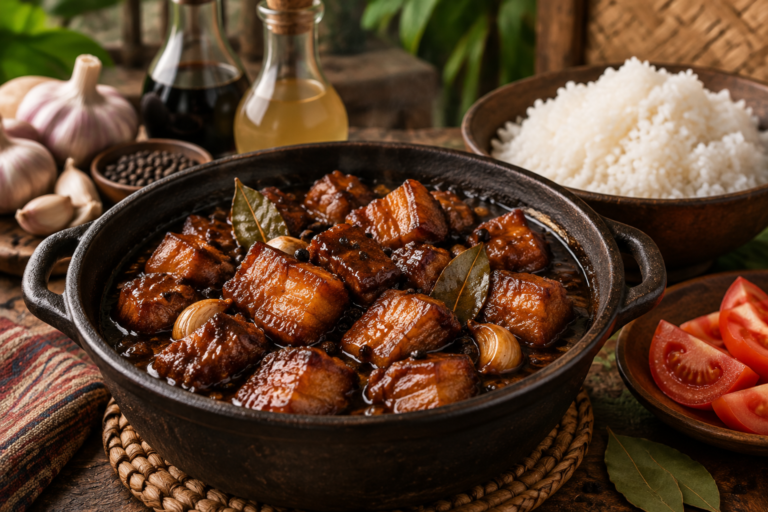
Filipinos rely on rice as a primary source of energy, which is essential in the daily lifestyle. The average Filipino consumes rice several times a day, and it often serves as the base for various meals. It accompanies main dishes such as adobo, sinigang, and lechon, where its mild, neutral flavor balances out the strong and diverse tastes of Filipino cuisine. Rice serves as the perfect canvas for absorbing the bold flavors of Filipino dishes, making it a crucial part of every meal.
Moreover, rice holds cultural and symbolic significance in the Philippines. It is involved in numerous rituals and celebrations, from harvest festivals to weddings, symbolizing prosperity and unity. The importance of rice can be seen in the widespread belief that a meal is incomplete without it. In fact, many Filipino households even consider rice a measure of a good meal—the right amount of rice ensures no one goes hungry, symbolizing abundance and generosity.
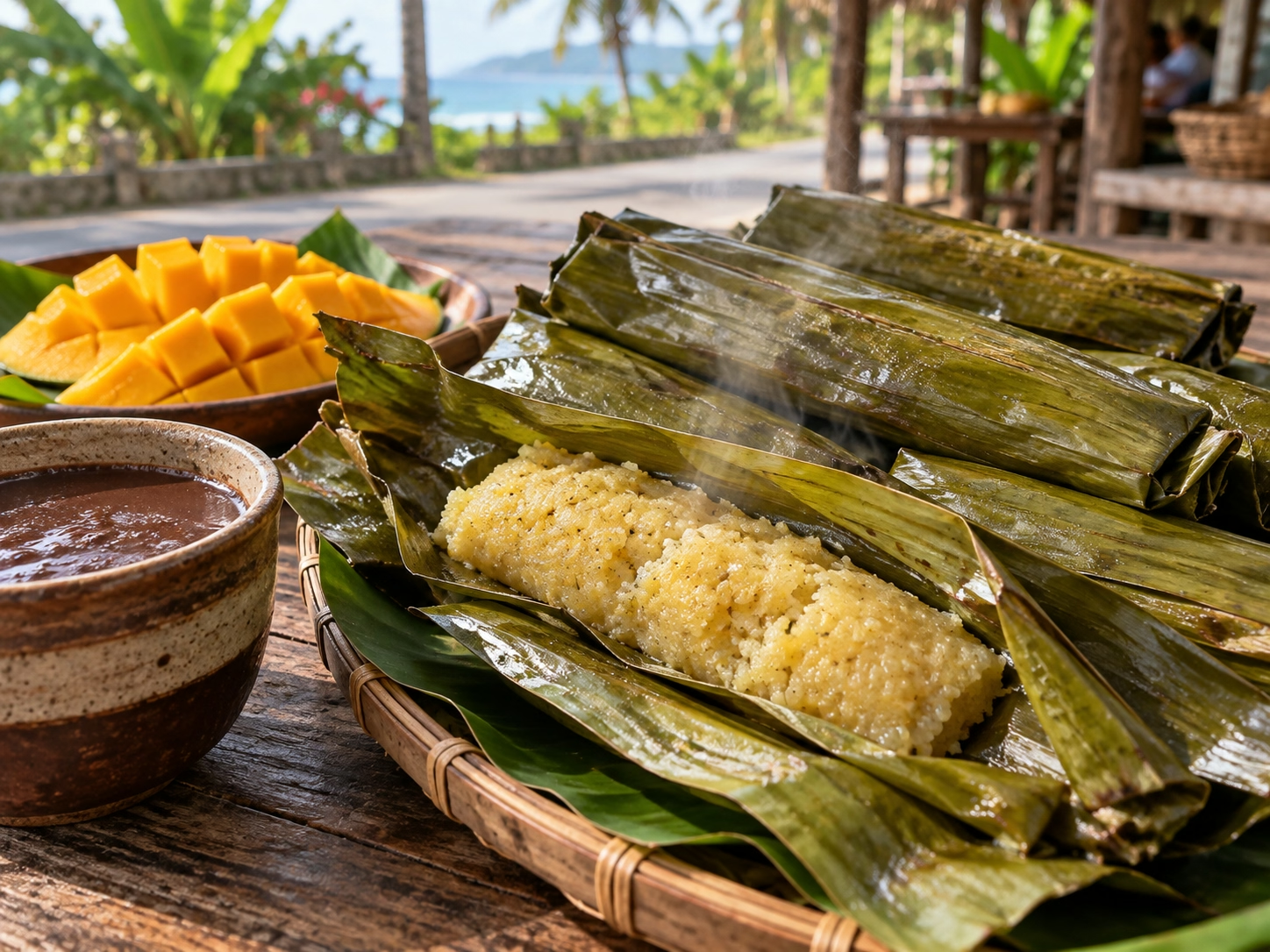
Filipino rice dishes also highlight the versatility of rice. Beyond the plain steamed rice that is typically served with everyday meals, rice is also transformed into various other forms, such as arroz caldo (rice porridge), puto (steamed rice cakes), and bibingka (rice cake baked with coconut). These variations show how rice can be adapted to suit different cooking methods, from savory to sweet. Rice, as a versatile ingredient, is able to take on different textures and flavors depending on how it is prepared.
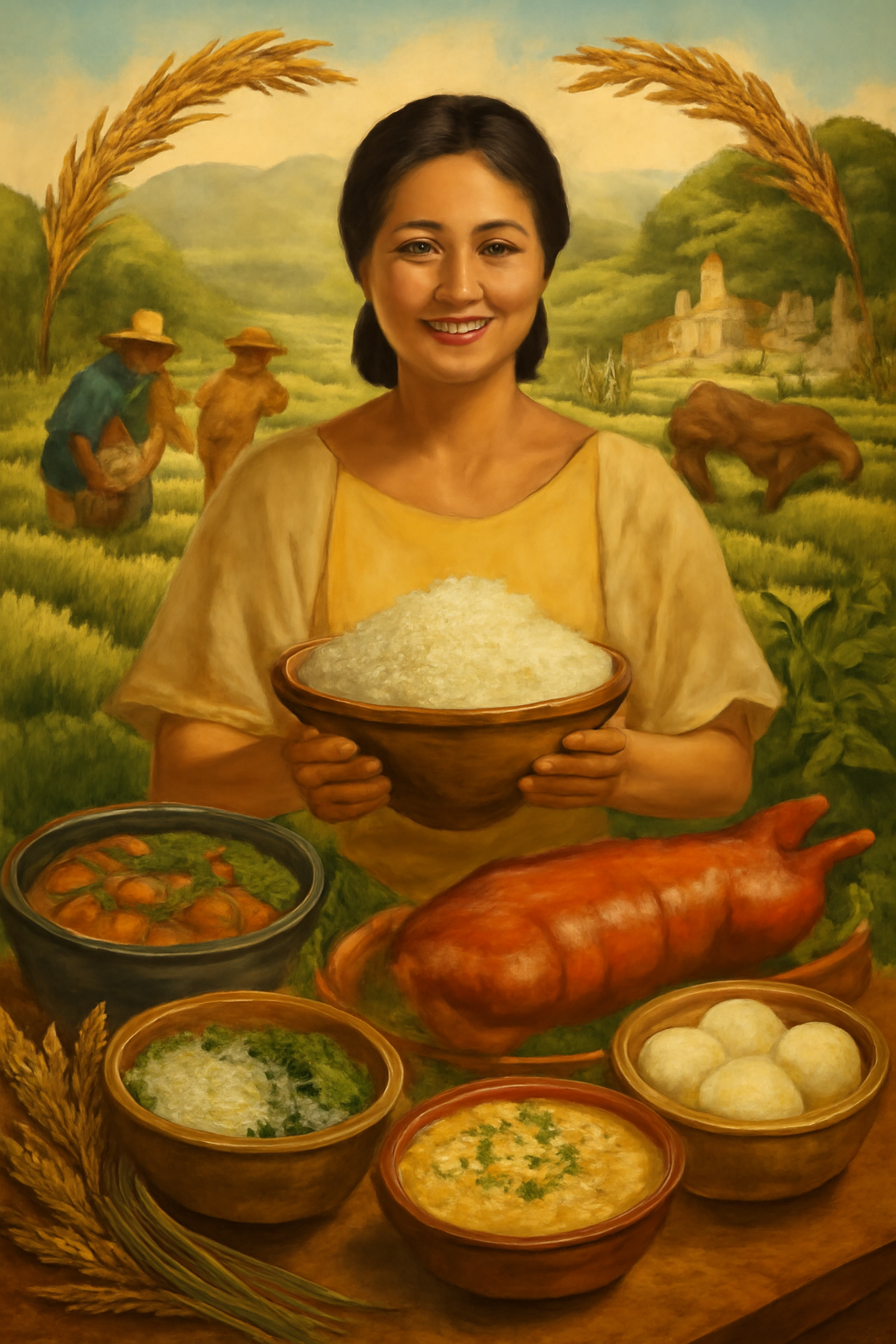
Furthermore, rice production plays a significant role in the Filipino economy, particularly in rural areas where rice farming is a dominant industry. The Philippines is one of the largest rice producers in Southeast Asia, and the industry supports millions of farmers and families. Rice cultivation is a key component of the country’s agricultural landscape, with vast rice paddies dotting the countryside. The agricultural sector, centered on rice, provides both economic stability and cultural continuity, reinforcing the connection between food, identity, and community.
In addition to its importance in daily meals, rice serves as a symbol of Filipino hospitality. It is common practice in Filipino culture to offer guests rice as part of a meal, ensuring they feel welcomed and well-fed. This reflects the Filipino value of kapwa (shared identity) and the desire to make others feel included and valued.
About the Author