The southern Philippines, particularly Mindanao, is a cultural hub brimming with rich history and artistic expression. Mindanao’s fashion is a beautiful reflection of its diverse indigenous groups, historical influences, and evolving modern trends. The fashion scene in this region is not only about clothes but also about the cultural stories they tell, blending traditional artistry with contemporary flair.
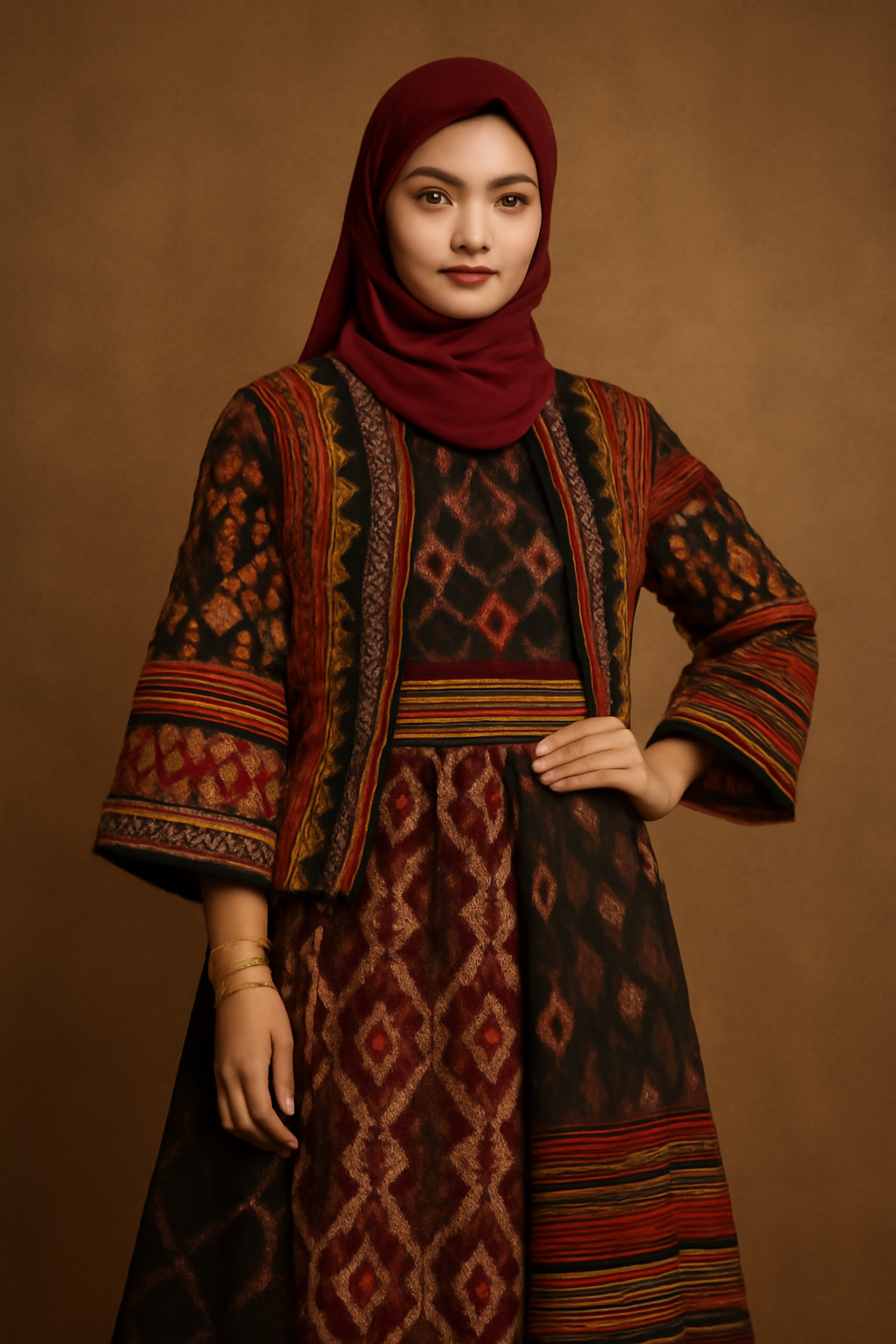
Mindanao’s fashion is deeply tied to the indigenous cultures that have existed in the region for centuries. The tribes of Mindanao, such as the Tausug, Maranao, and T’boli, are known for their intricate weaving techniques, vibrant textiles, and beadwork, which are often featured in their traditional clothing. For instance, the T’boli women are known for their “T’nalak” woven fabric, made from abaca fibers and dyed using traditional methods. This textile is not only a work of art but also a sacred material, often used in ceremonial garments.
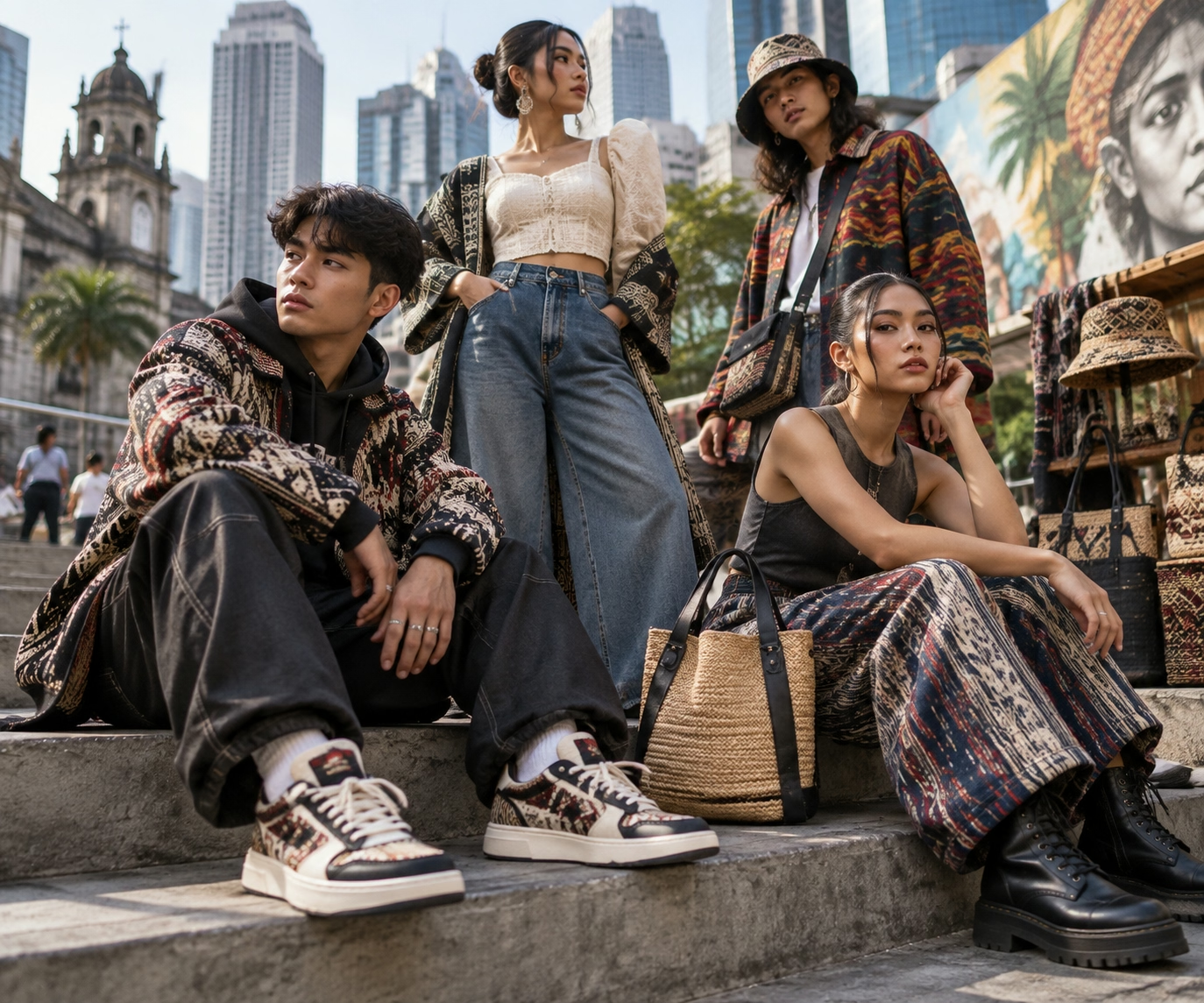
In urban areas of Mindanao, the fusion of these traditional elements with modern design is becoming more prevalent. Mindanaoan designers are increasingly drawing inspiration from the region’s rich cultural heritage, incorporating indigenous fabrics, beads, and patterns into contemporary styles. This unique blend of old and new has gained recognition in the Philippine fashion scene, with Mindanao designers showcasing their works at local and international fashion events.
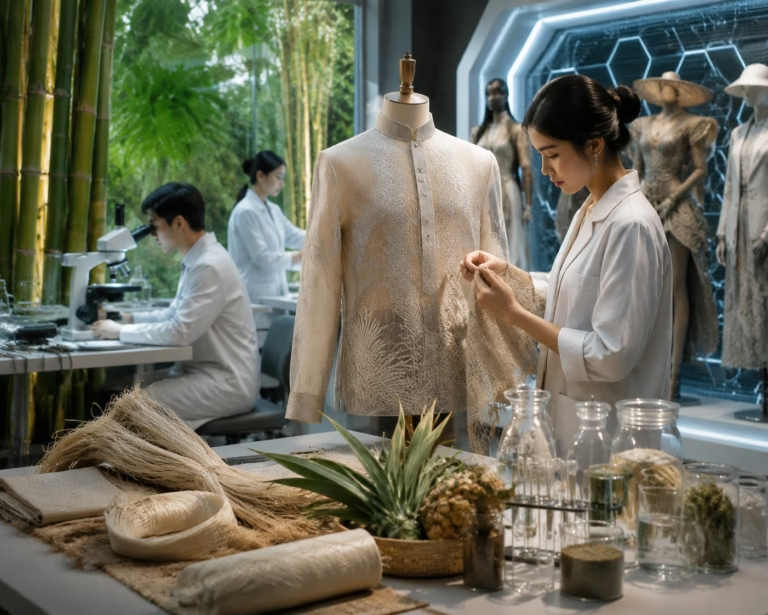
One of the key figures in this movement is Filipina designer, Rajo Laurel, who, though based in Manila, often collaborates with artisans from Mindanao to create fashion pieces that celebrate the region’s artisanal craftsmanship. Many young designers in Mindanao are also making a name for themselves by incorporating local materials like “piña,” a delicate fabric made from pineapple fibers, into their collections. This revival of traditional textiles is not only an aesthetic choice but also an effort to preserve the cultural heritage of Mindanao.
The fashion industry in Mindanao also reflects the region’s diversity in other ways. The Muslim communities, particularly in the provinces of Sulu and Zamboanga, have their own distinct fashion traditions. The traditional “Barong Tagalog” for men and the “Hijab” for women are often worn with local twists, combining elements of Islamic modesty with the region’s indigenous fashion flair. In recent years, there has been an increasing demand for modest fashion in the Philippines, which has opened doors for more designers from Mindanao to create pieces that cater to the Muslim market while respecting the region’s cultural values.
Beyond the clothing itself, Mindanao’s fashion culture is enriched by the artistry that surrounds it. Mindanao is home to a thriving jewelry-making industry, with artisans crafting intricate gold and silver pieces inspired by tribal motifs and natural elements. These jewelry pieces, often passed down through generations, are not just accessories but hold deep cultural significance, symbolizing identity, status, and heritage.
Fashion in Mindanao is not just about style but also a means of preserving and celebrating the region’s cultural identity. As more young designers from the region gain recognition, the future of Mindanao’s fashion industry looks promising, with a growing emphasis on sustainability, ethical production, and cultural preservation.
About the Author